Victorian Living Room Ideas for Modern Homes

By Julio Arco
Architect and online interior designer
In this post
The easiest way to get a Victorian living room that works today is to keep a few period details (a statement mirror, brass, a deep jewel color, layered lighting) and let everything else stay comfortable and simple. You don't need to copy a nineteenth-century parlor. You need the character without the clutter.
Below you'll find the colors, furniture, layout and small-space tweaks that make modern Victorian living room ideas feel intentional rather than fussy.
What does a Victorian living room look like?
A traditional Victorian living room is layered. Think tall ceilings with crown molding, a fireplace as the focal point, heavy drapery, patterned wallpaper, dark wood, brass or bronze fittings, and plenty of upholstered seating. Rooms were full and ornate by design.
The architecture of the period gives useful clues. The U.S. National Park Service notes that the Italianate style, most prevalent in America between the 1850s and the 1880s, is recognized by a low, overhanging roof with decorative eave brackets. Those bracketed, ornamented details are the reason many Victorian interiors carry so much trim and carved molding inside, too.
How do you make it modern?
Keep the architecture and a few ornate pieces, then simplify the rest. A carved mantel or a gilded mirror reads as deliberate when the sofa next to it has clean lines and the rug is plain or lightly patterned.
As an architect, I'd limit yourself to two or three decorative statements per room. If the walls have wallpaper, let the furniture be quieter. If the furniture is ornate, paint the walls a calm color. When everything competes, the eye has nowhere to rest.
Victorian living room colour ideas
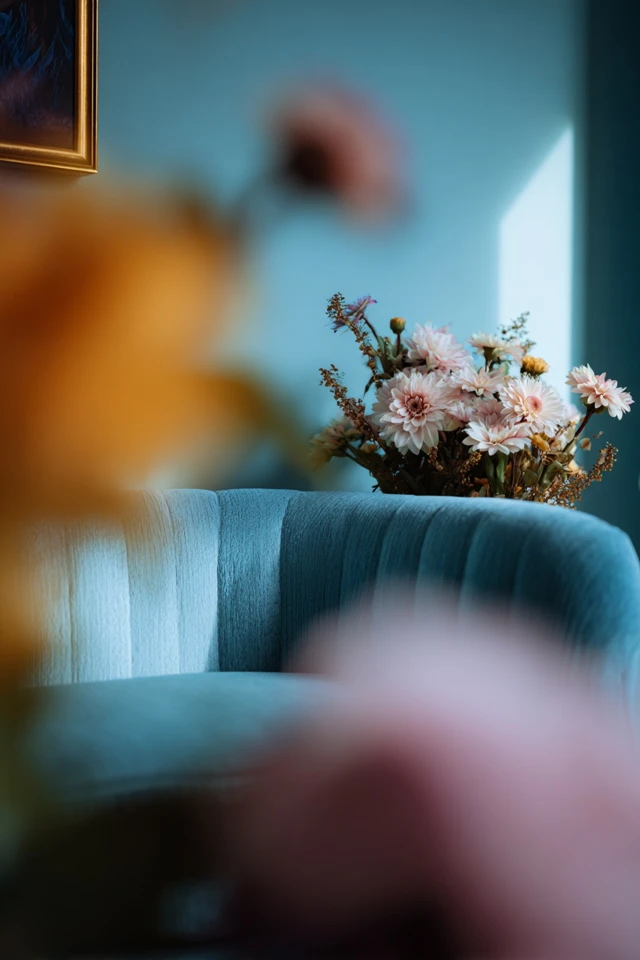
Start with a warm base such as cream, warm taupe or soft greige, then bring in one deeper color. Emerald, sapphire, burgundy and plum all suit the period. Charcoal walls with ivory trim and amber lighting also work well, as does muted sage with dark wood and a touch of soft pink.
Dark colors pull walls inward and add drama, while light colors push surfaces back and make a room feel larger. Pick based on the room's size and light. A north-facing room can look dull in a dark shade, so test samples on the wall and look at them in daylight and at night before you commit.
Victorian living room furniture that fits modern life
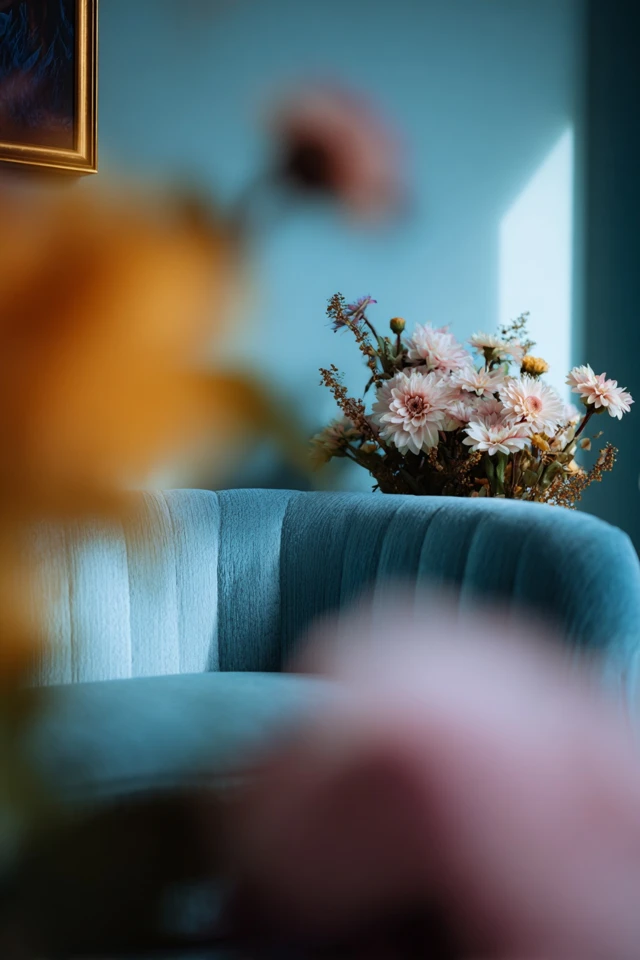
Victorian living room furniture is curvy and substantial: tufted or rolled-arm sofas, spindle-backed chairs, carved consoles and wood tables with turned legs. You can use one or two of these and pair them with simpler modern pieces.
- A velvet or mohair sofa gives the period look. If a dog or cat shares it, I recommend removable, washable covers or a tightly woven fabric, since loose pile traps hair and shows claw marks.
- A matte wood coffee table next to a brass console makes a good contrast of finishes.
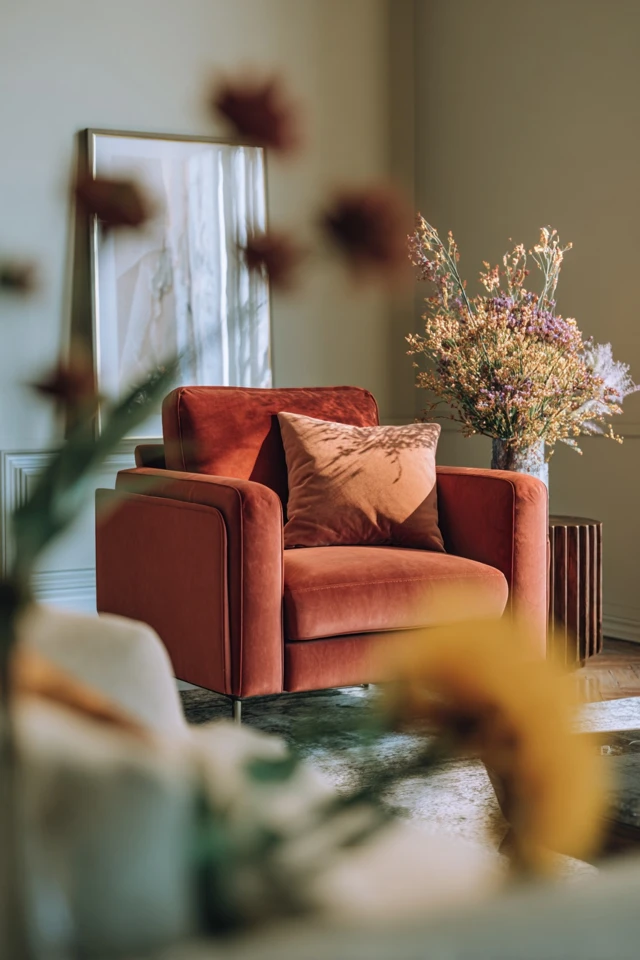
- A sculptural modern chair looks fresh against a carved fireplace surround.
- Choose chair heights that suit your tables, and cushions that support you for long sitting.
Victorian living room layout ideas
Anchor the room on a focal point, usually the fireplace, a large mirror or the window. Then arrange seating so people face each other for conversation. Pull sofas off the walls if the room allows, and leave about 30-36 inches for the main walkway so nobody has to squeeze past a chair.
Keep furniture clear of doors, radiators and windows. In a large room, split the space into zones: a seating cluster by the fireplace, a reading chair at the window, maybe a small desk along one wall. A rug under each zone defines it without any walls.
Hard surfaces and tall ceilings can make a room echo. Drapery, cushions and a woven rug absorb sound and make the space calmer.
Small Victorian living room ideas
Small rooms can carry the style if you edit. Choose a slim-profile sofa with visible legs, which shows more floor and feels lighter. Use one ornate piece, such as a mirror or carved console, as the focal point, and keep textiles restrained.
- Paint walls and trim in close, light tones so the room reads as one volume.
- Hang a mirror opposite a window to bounce daylight around.
- Pick a compact coffee table with storage to keep clutter out of sight.
- Hang curtains high, close to the ceiling, to emphasize height.
If your taste leans toward the quieter side of the style, our modern Victorian sitting room ideas cover a more compact take.
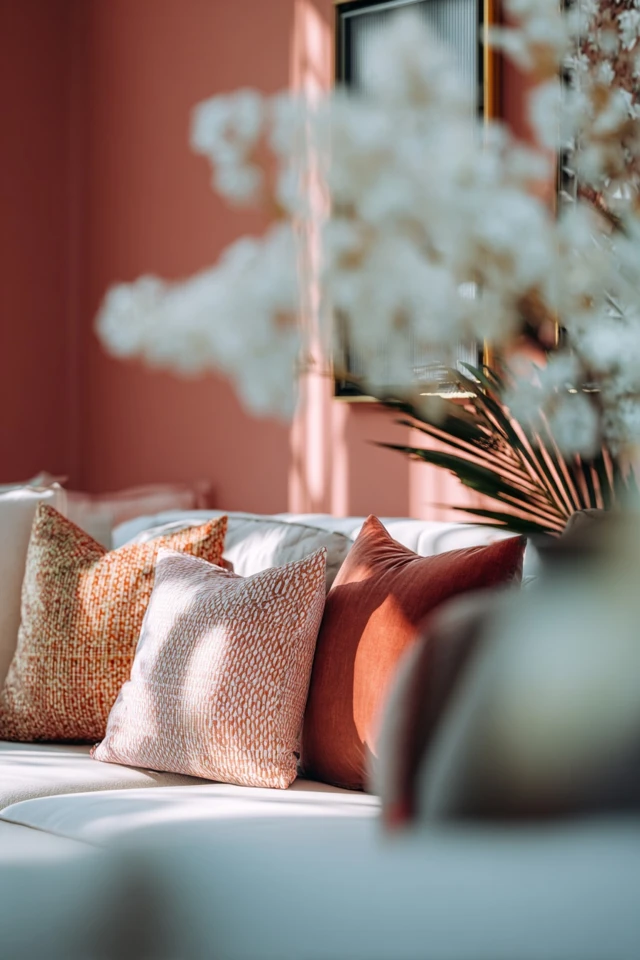
Simple Victorian living room ideas: lighting, texture and pattern
Lighting does a lot of the work. Combine a ceiling fixture or chandelier with wall sconces and table lamps so you can change the mood through the evening. Warm, dimmable light brings out the patina of wood and brass.
For texture, mix a few materials rather than many: velvet, wool and linen with aged wood, brass and glass. Satin, glossy and matte finishes next to each other add depth without competing.
To mix patterns, share a color family between them and vary the scale. A damask wallpaper sits well with a simple geometric rug, and solid cushions give the eye a break. A few plants soften the formality and add some life to all that dark wood, though if you have pets, check any plant with your vet before bringing it home.
For related looks, try the modern Victorian bedroom, or compare with a calmer palette in this beige living room guide.
Frequently asked questions
What are some good ideas for a Victorian living room layout?
Center the room on a fireplace, mirror or window and arrange seating in a conversational group. Use rugs to define zones and keep clear walkways of roughly 30-36 inches.
What are the best colors to paint a Victorian living room?
Warm neutrals like cream and greige make a flexible base. Jewel tones such as emerald, sapphire and burgundy suit the period, especially on one wall or in the trim.
What is the 3-5-7 rule in decorating?
It is a styling guideline that groups decorative objects in odd numbers, such as three, five or seven, because odd groupings tend to look more natural than even ones. It is a rule of thumb, not a requirement.
How do I mix patterns without it feeling chaotic?
Connect them with a shared color family and vary their scale. Start with one dominant pattern, add a smaller secondary one, and leave solid areas between them.
Filed under
ArticlesMeet the author
Written by an architect.
Julio Arco is a passionate architect with years of experience in architecture, interior design, urban design, and housing. He studied at prestigious universities across North America and Europe.

- Name
- Julio Arco
- Job
- Architect and online interior designer
- Studied
- Architecture, ITESM · Urban Design and Housing, McGill
- Partner
- Thor, Australian Shepherd
- Thor’s title
- Head of quality control