Small Garden Features: Ideas That Work in Tight Spaces
Small garden features that fit tight spaces: a bridge or path crossing, seating, planters, water, and ground cover, with sizes and upkeep tips.

By Julio Arco
Architect and online interior designer
In this post
- What are some examples of garden features for a small garden?
- What is the best layout for a small garden?
- How do you add a small garden bridge?
- Which small garden features are low maintenance?
- How do you add height and softness in a small space?
- What makes a small garden look modern and cozy?
- How much should you spend and where?
- Frequently asked questions
The small garden features that pay off most are the ones that organize movement and give your eye somewhere to land: a short bridge or stepping crossing, one good seating spot, a few big planters, and a single focal point such as a small water bowl. Pick two or three, not ten.
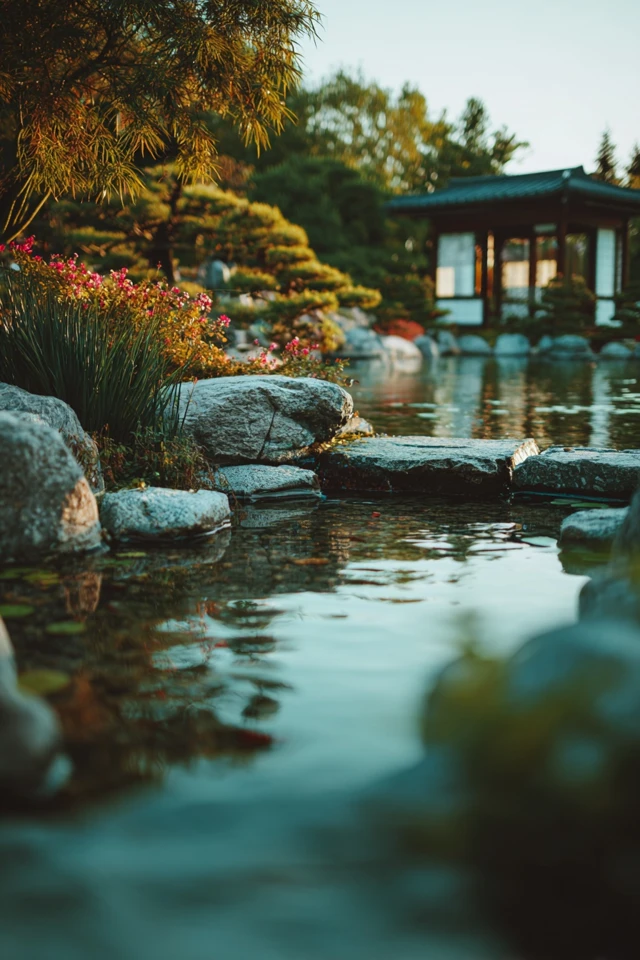
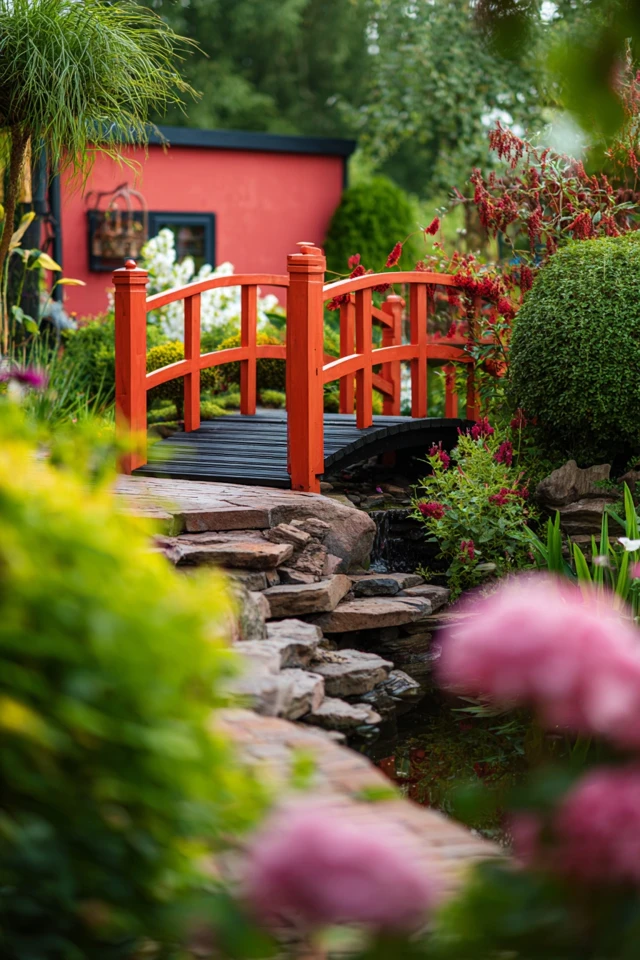
It's very common to feel a small yard has no room for "features". It does, as long as each one does a job. A small bridge over a gravel dry-creek bed, for instance, adds a destination, marks a path and adds interest at a size no wider than a hallway.
What are some examples of garden features for a small garden?
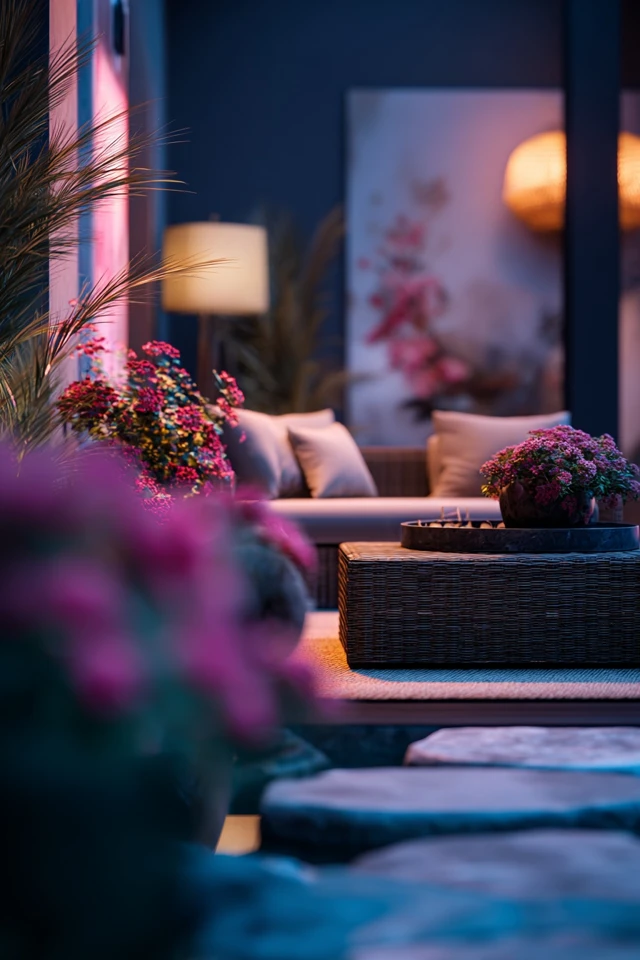
The usual candidates are a bridge or crossing, a bench or seating nook, planters and hanging baskets, a trellis or climbers, a small water feature, lighting, and a ground cover patch in place of lawn. Each one suits a different problem:
- A narrow yard needs a path with a reason to walk it, so a crossing or a seat at the far end helps.
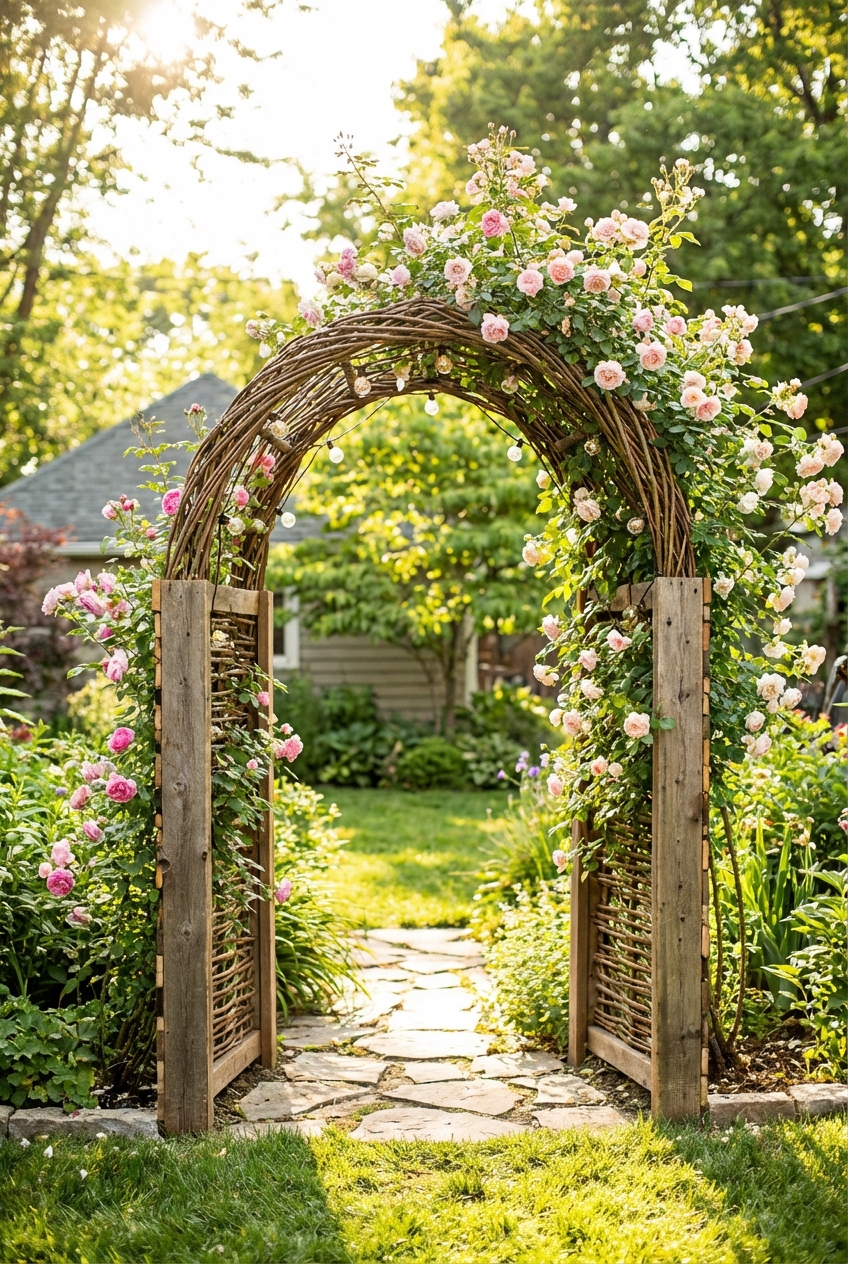
- A bare fence needs height, so climbers on a trellis do the work.
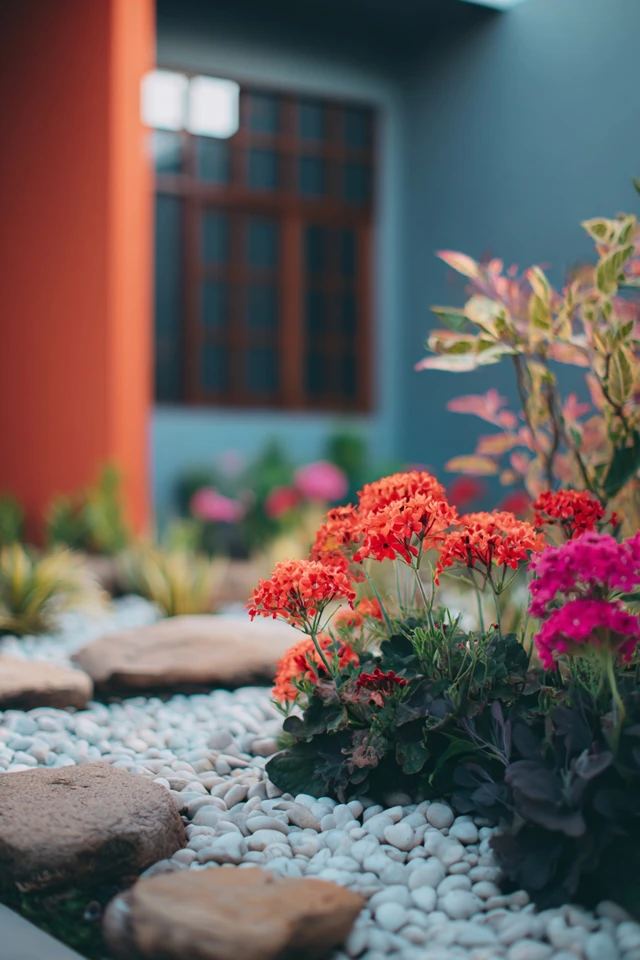
- A patio with nothing to look at needs a focal point, such as a water bowl or one large pot.
What is the best layout for a small garden?
Start with circulation. Mark the routes from the door to the gate and to wherever you'll sit, then place features along those routes. Leave about 30-36 inches for a main path. A secondary path or bridge can be 24-30 inches on a balcony or tight side yard, and 36-48 inches if two people need to pass.
Then divide the space into two or three zones: a sitting area, a planting area, and a passage. A bridge, a change of paving or a low hedge can mark the transition. As an architect, I'd put the seat at the far end of the longest sightline, so the garden feels deeper than it is.
How do you add a small garden bridge?
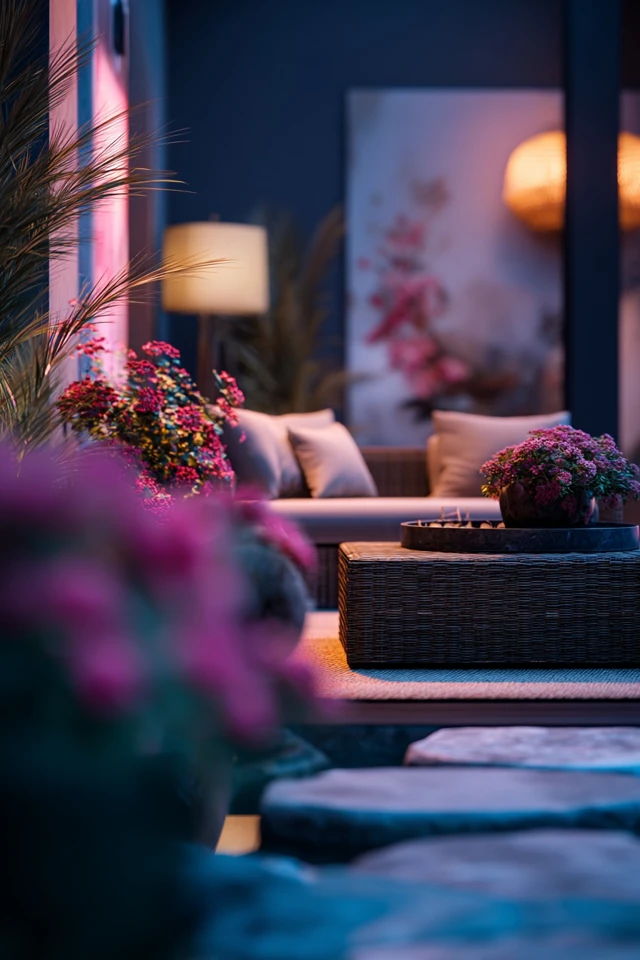
A bridge works best over something real: a gravel swale, a planted dip, or a dry stream bed. A bridge over flat lawn looks like a prop.
- Keep it low and slim so it doesn't dominate the yard.
- Contrast it with its surroundings, such as dark-stained wood over pale gravel.
- Leave gaps between planks and a slight slope so water drains.
- Check head clearance if a pergola or tree branch hangs over it.
Wood (cedar, ipe, reclaimed hardwood), composite planks and steel all work. Composite and powder-coated steel need the least upkeep. For anything over a real drop or with railings, ask a licensed contractor to check the structure.
Which small garden features are low maintenance?
Hard features like a bridge, gravel, a bench or a large planter need little attention once built. Plants take more work, so use fewer species in bigger groups. Deb Christopher, a Master Gardener in Westmoreland County, advises against one uniform planting: in her words, "If disease or pest problems arise, the entire monoculture planting may be killed. Instead, consider planting drifts or groups of single species, providing a patchwork-quilt effect."
Lawn is often the highest-maintenance feature in a small yard. University of Maryland Extension notes that turfgrasses require constant maintenance, with costs including pesticide exposure for people and pets and water waste. Ground covers are a lighter option: Colorado State University Extension describes suitable ones as generally under 24 inches tall and quick to spread. If you have a dog, UC Marin Master Gardeners report that white clover does not show pet urine damage.
Skip plastic landscape cloth under gravel or planting beds. Penn State Extension does not recommend it, since it can increase erosion and runoff.
How do you add height and softness in a small space?
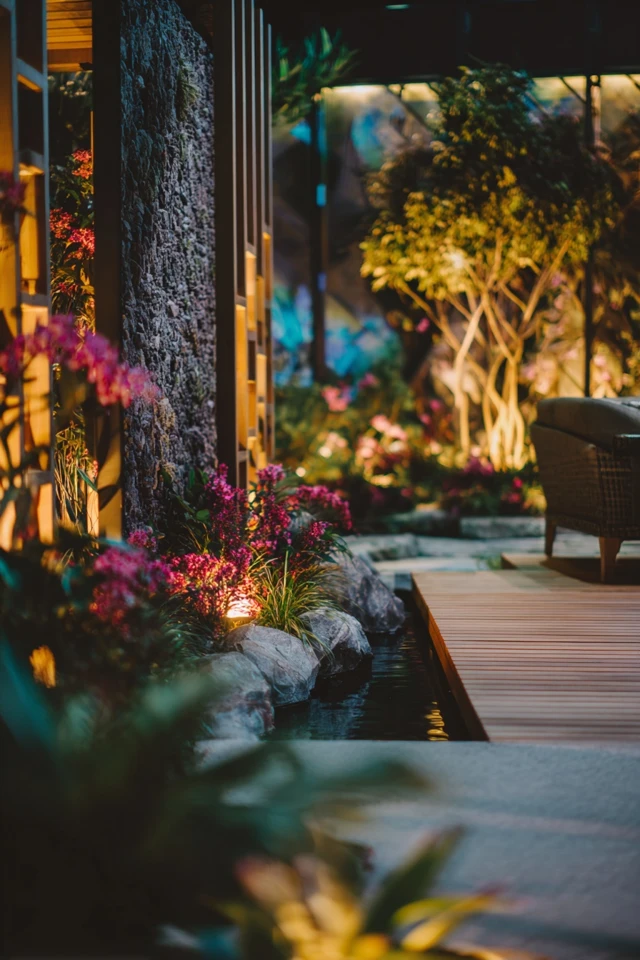
Go vertical. Climbers on a trellis, a green wall, tall grasses and hanging baskets add layers without using floor area. Large planters beat many small ones: three or four big pots look intentional, while a dozen small ones look cluttered.
When you space plants, remember they grow. A University of Florida IFAS publication gives a rule of thumb of using 85% of the high end of the range for plant spread when drawing planting plans. If you plan to overlay a garden with a path or bridge, keep plants from crowding the walking width.
For more ideas on plants and layout, see our unique garden ideas, and if you'd like to bring the green indoors, our small indoor atrium ideas.
What makes a small garden look modern and cozy?
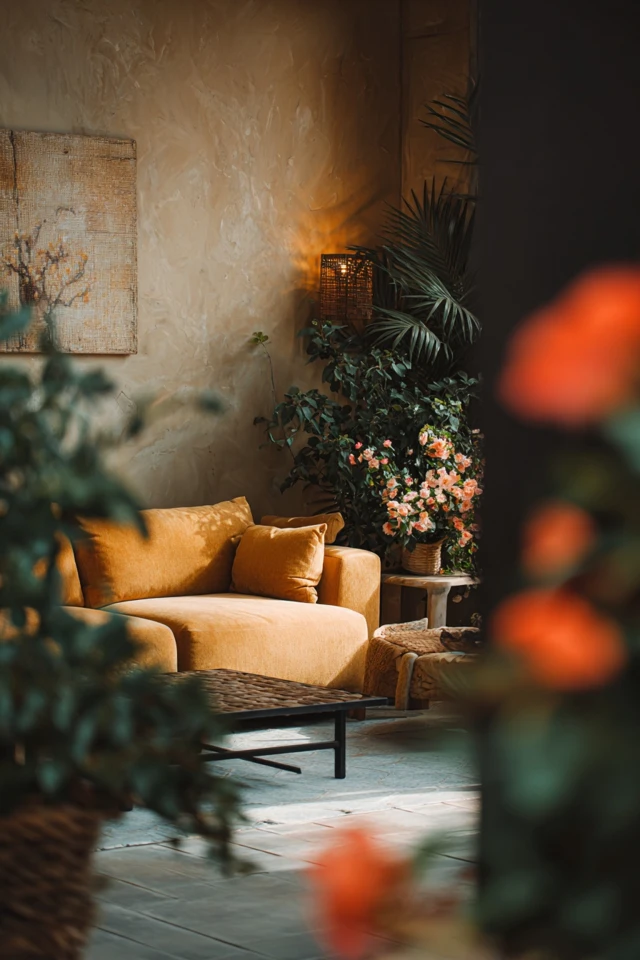
For modern small garden ideas, keep the structure simple and the palette short. Use matte or satin finishes, slim railings and one or two hard materials, such as smoked oak and charcoal metal. Add warmth with plants, cushions and ceramic pots.
Cool colors like soft grays and blue-greens tend to recede and make a space feel larger, while warm woods and rust tones feel closer and cozier. Test paint or stain samples outside and look at them morning and evening, since light changes color a lot.
Lighting does a lot of the cozy work. Warm LEDs (about 2700-3000K) under a handrail, at step edges or along a path extend the garden into the evening. Hide the fixtures where you can, and have a licensed electrician handle any mains wiring.
How much should you spend and where?
Spend on what's hard to change later: the path or bridge structure, drainage and the soil. Plants, pots and cushions are easy to swap. A University of Florida IFAS publication by Gail Hansen puts it this way: "A pleasing, low-care, low-cost landscape is possible, however, with careful planning, appropriate plant choices, and thoughtful design." Planning first is what keeps the budget down.
If you need the soil improved, Colorado State University Extension suggests working 3 to 5 cubic yards of compost or other organic amendment into 1,000 square feet.
Frequently asked questions
What are some ideas for a small garden?
Try a trellis with climbers, a few large planters, one seating nook, a small water bowl as a focal point, and a ground cover patch instead of lawn. Choose two or three, not all of them.
What is the 3-5-7 rule in landscaping?
It's a common informal guideline to plant in odd-numbered groups, such as 3, 5 or 7, because they look more natural than even rows. It's a design habit, not a measured standard.
Can a small garden have a bridge?
Yes, if it crosses something such as a gravel dry creek or a planted dip. Keep it about 24-36 inches wide and low, with gaps for drainage.
Filed under
ArticlesMeet the author
Written by an architect.
Julio Arco is a passionate architect with years of experience in architecture, interior design, urban design, and housing. He studied at prestigious universities across North America and Europe.

- Name
- Julio Arco
- Job
- Architect and online interior designer
- Studied
- Architecture, ITESM · Urban Design and Housing, McGill
- Partner
- Thor, Australian Shepherd
- Thor’s title
- Head of quality control