Breakfast Nook Ideas: Seating, Tables and Layouts
Breakfast nook ideas for real kitchens: banquette seating, table shapes, corner layouts, lighting and washable fabrics, with sizes that work.

By Julio Arco
Architect and online interior designer
In this post
A good breakfast nook comes down to three decisions: how people sit, what table they sit at, and how much room you leave to walk around it. Get those right and the rest (color, lighting, cushions) is styling.
If your kitchen is short on space, you're in good company. Most nooks are squeezed into a corner or a bay, and that's fine, because a corner is the most efficient place for one.
Which seating works best in a breakfast nook?
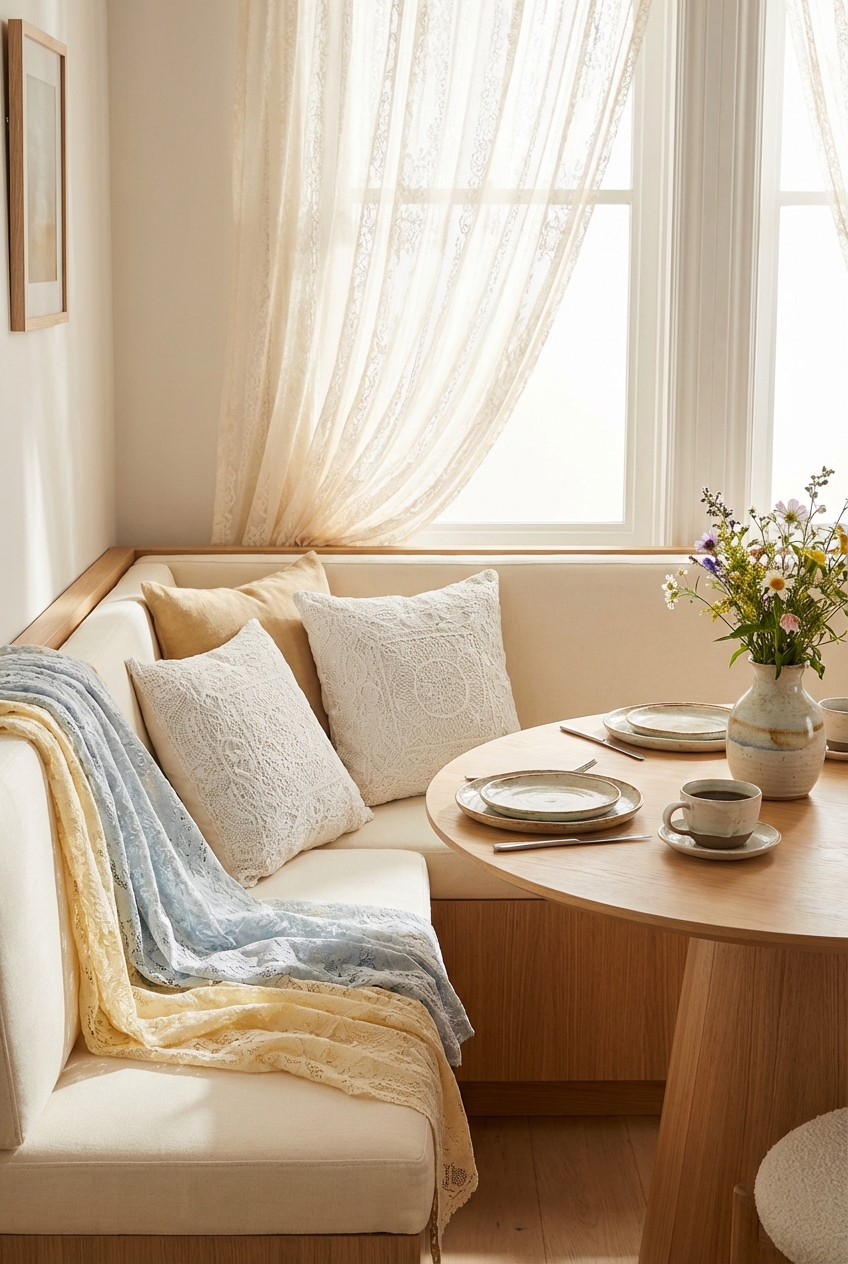
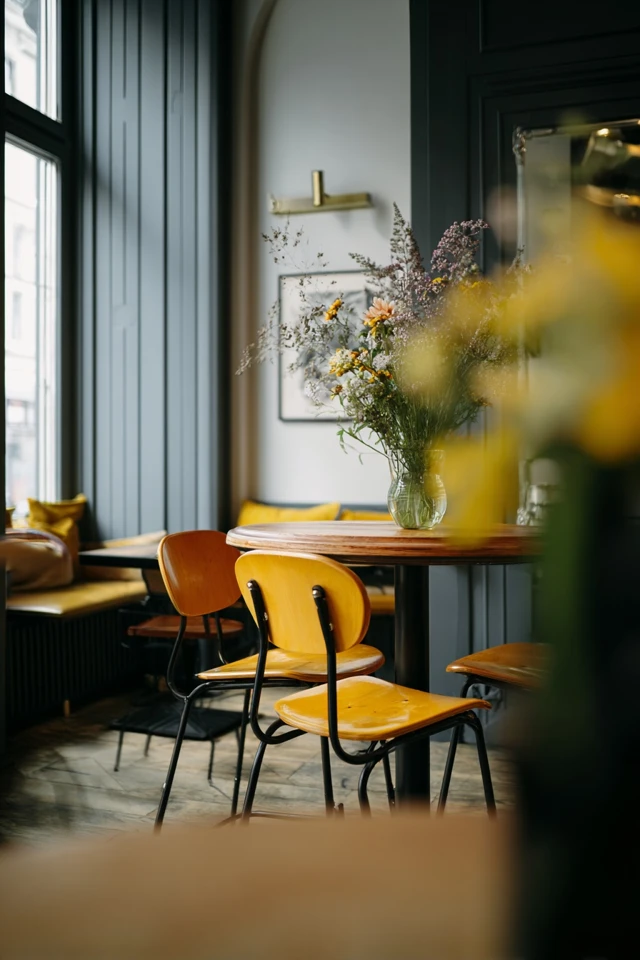
A built-in bench, or banquette, is the classic answer. It pushes seating to the walls, so the table can sit closer to the corner and you lose less floor. A bench also seats more people than the same length of separate chairs, since nobody needs elbow room between seats.
Breakfast nook bench ideas
- An L-shaped bench along two walls, with one or two chairs on the open side.
- A straight bench against one wall, with a pair of chairs opposite.
- A freestanding bench with a back, which suits renters who can't build anything in.
For comfort, I recommend a seat height of about 17-19 inches and a seat depth of about 16-20 inches, with a slightly reclined back. A flat, upright bench is fine for 20 minutes of toast and miserable for a long Sunday brunch.
Add storage under the seat
A breakfast nook with storage is one of the best uses of a banquette. Hinged seats or drawers under the bench hold placemats, seasonal serving pieces, and pet supplies like leashes and spare bowls. Drawers are easier to reach than lift-up lids, but they need clear floor in front, so check your clearances before choosing.
How do you choose a breakfast nook table?
Round and oval tables are the easiest to live with in tight spots, because there are no corners to bump into and people can slide in from any side. A pedestal base removes table legs from the equation, so nobody has to straddle one.
Rectangular tables suit a bench along a wall. For comfortable dining, plan about 24 inches of table width per person and about 10-12 inches of knee clearance between the seat and the tabletop edge. A table around 30 inches high is standard for dining chairs and benches.
Surface matters if you have kids or pets. Sealed wood and laminate wipe clean easily. Wood tables that aren't sealed will want regular oiling, much like Iowa State University Extension's advice that soapstone, like butcher block, needs to be oiled regularly.
How do you fit a nook into a small kitchen?
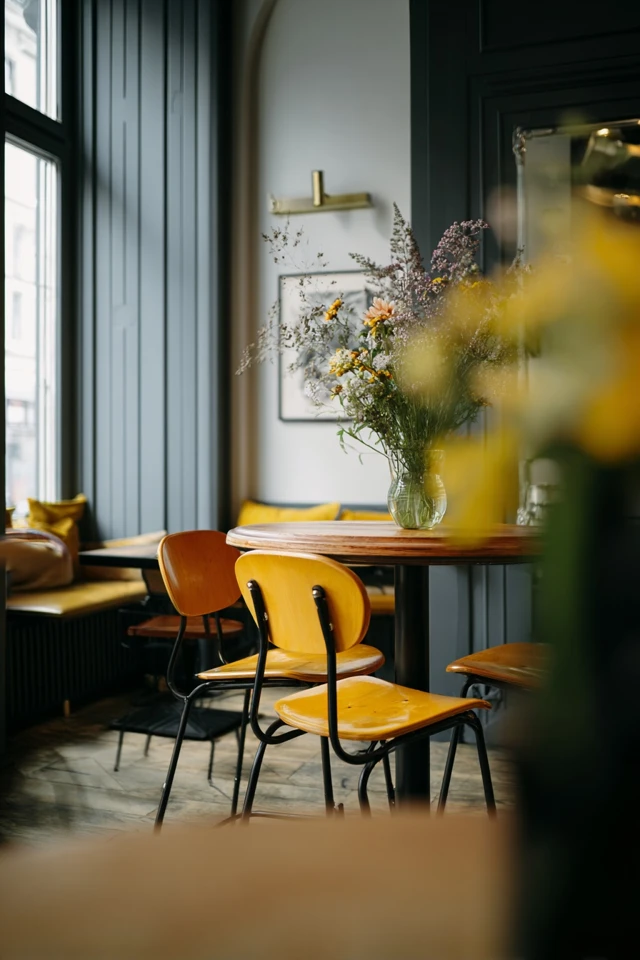
For breakfast nook ideas for small kitchens, start with the corner. A corner breakfast nook uses space that is otherwise dead, and a small round table fits it neatly.
- Choose a bench with a slim profile and a back no taller than needed.
- Use a table with a pedestal base, or one that folds or has drop leaves.
- Leave about 36 inches behind any chair that people walk past, and at least 30 inches if traffic is light.
- Hang the light and art higher than you think to keep sightlines open.
Even a window seat with a narrow table works if you can only manage two places. Very small studios may like the same thinking from our studio apartment ideas.
What makes a nook feel modern or retro?
Modern breakfast nook ideas lean on simple lines: a plain tabletop, slim legs, a bench with a flat upholstered seat, and matte finishes. A single sculptural pendant does the decorating.
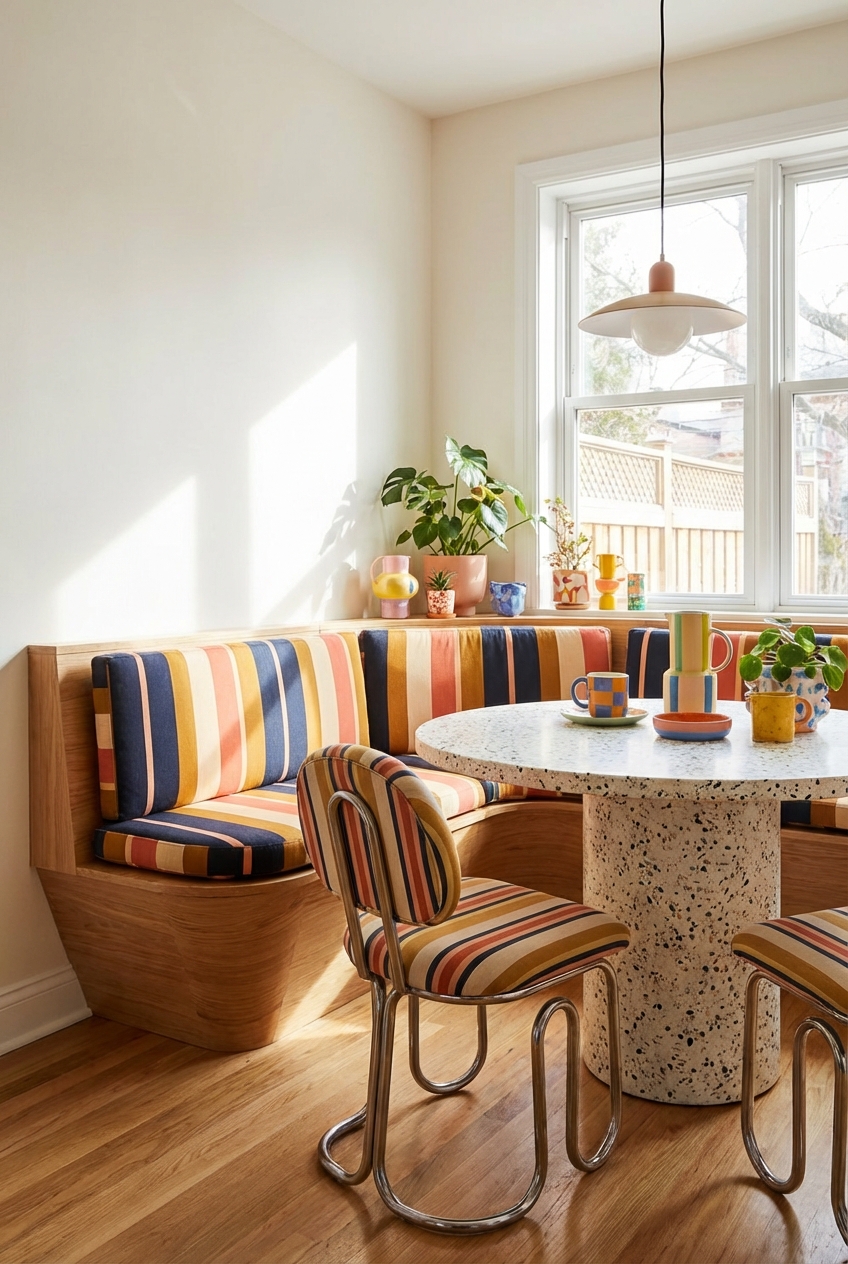
Retro nooks go the other way: a booth-style bench with a tall back, a pedestal table, and a bold color on the seat. Keep one element loud and the others calm. Matte surfaces soften shadows and glare, while glossy ones bounce light around, so a glossy tabletop in a dim corner can brighten it noticeably.
Lighting and color
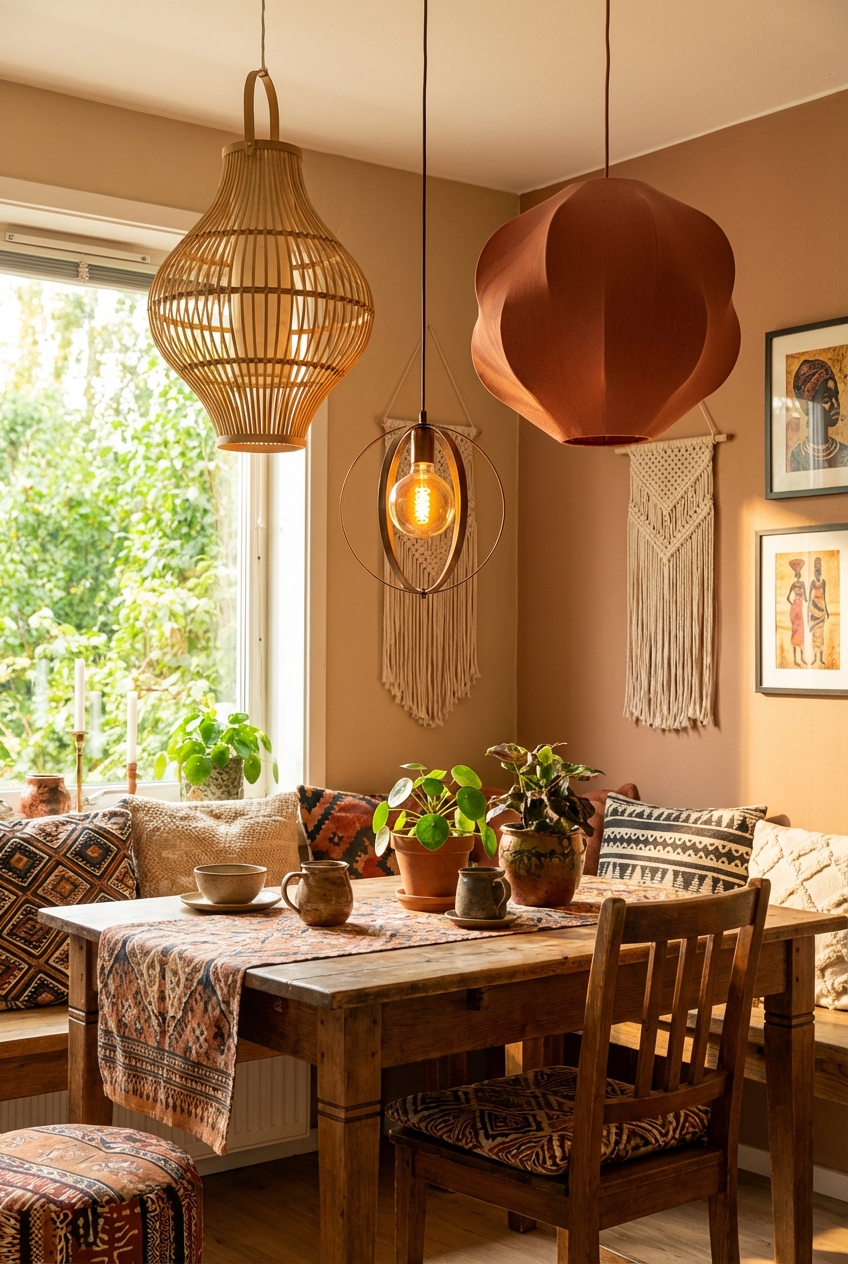
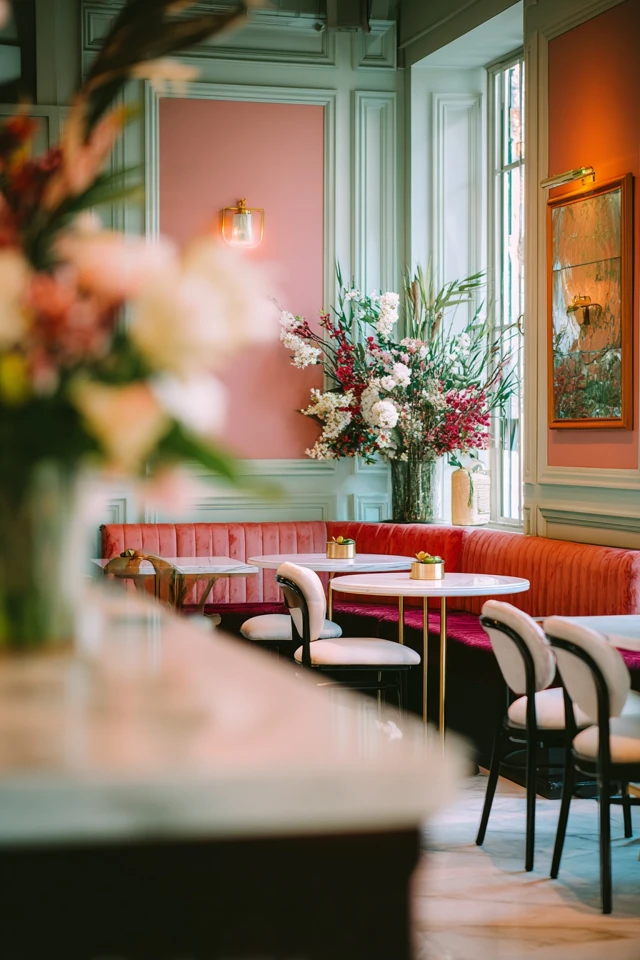
Hang a pendant centered over the table, with the bottom about 30-36 inches above the tabletop so it lights the table without blocking faces across from each other. On a round table, one pendant is enough. A long rectangular table can take two or a linear fixture. A dimmer is cheap and makes the same nook work at 7 a.m. and at dinner.
For color, test paint samples in the nook itself and look at them in morning light. North-facing rooms read cooler, so warmer whites and soft clay tones balance them. In a sunny room, a slightly cooler tone keeps things calm.
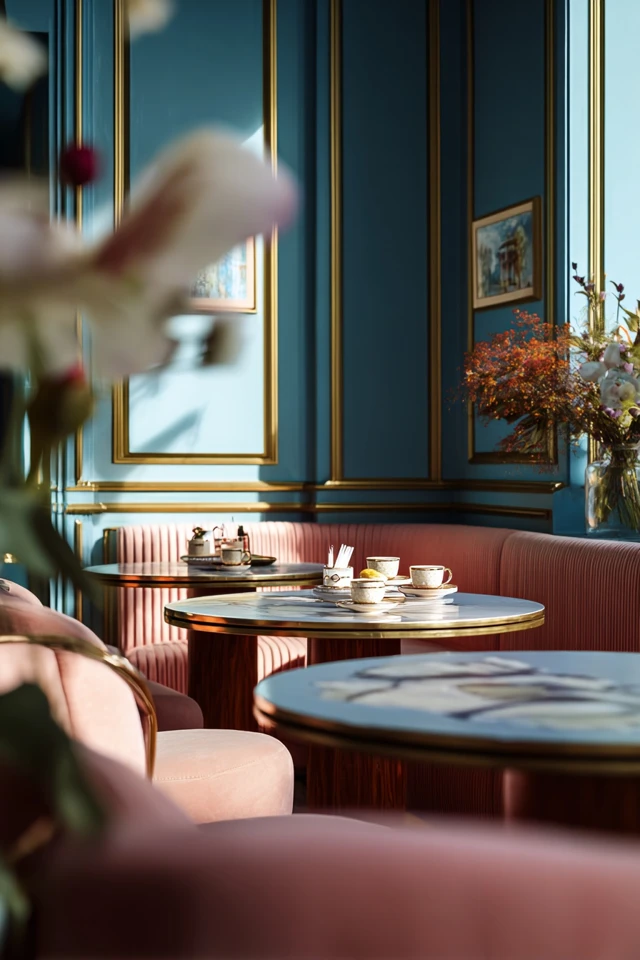
Cushions, textiles and decor
Upholstery takes the abuse in a nook. As an architect, I'd choose performance fabric or faux leather for the bench, with a removable, washable cushion cover. Tightly woven fabrics resist claws better than loops, which snag.
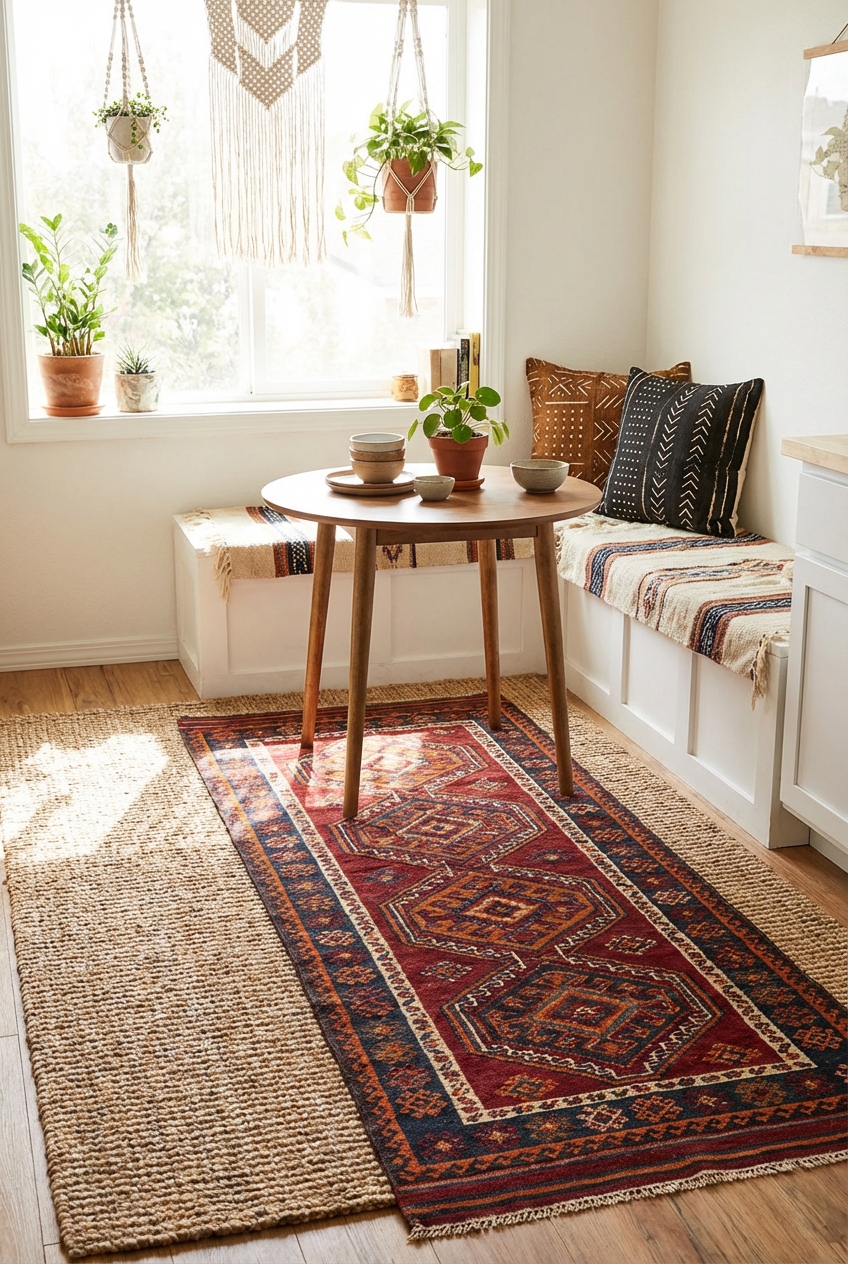
If you add a rug under the table, keep it flat and low. Chairs need to slide on it, and the U.S. Access Board notes that thick, cushiony or loose carpet impairs accessibility, particularly wheelchair maneuvering. A thin flat-weave rug that fits fully under the chairs, even when they're pulled out, is the safer pick. Decor can stay simple: a tray with salt and oil, a small plant, one piece of art.
Can you build a nook yourself?
Breakfast nook ideas DIY-style usually mean a simple box bench: a plywood frame, a hinged or fixed seat, and a foam cushion. It's a manageable weekend project if you can measure well and cut square. Fasten it to wall studs, and bring in a licensed professional if you need to move wiring, plumbing, or a structural wall.

If you want more room-by-room ideas, see our post on small spaces that do more, or basement bedroom ideas for another layout puzzle.
Frequently asked questions
How much space do you need for a breakfast nook?
A small round table with a corner bench can fit in roughly 6 by 6 feet. Leave about 30-36 inches behind any seat that people walk past.
What is the best table shape for a small breakfast nook?
Round or oval tables with a pedestal base fit tight corners best, since there are no corners to bump and no legs in the way of seating.
What fabric is best for a breakfast nook bench?
Performance fabric or faux leather with a removable cover is easiest to clean after spills. Choose tight weaves if pets use the bench, since loops snag on claws.
Filed under
ArticlesMeet the author
Written by an architect.
Julio Arco is a passionate architect with years of experience in architecture, interior design, urban design, and housing. He studied at prestigious universities across North America and Europe.

- Name
- Julio Arco
- Job
- Architect and online interior designer
- Studied
- Architecture, ITESM · Urban Design and Housing, McGill
- Partner
- Thor, Australian Shepherd
- Thor’s title
- Head of quality control