Ceiling Design Ideas to Make a Plain Ceiling Stand Out
Ceiling design ideas for every room and budget: beams, tray ceilings, paint, lighting and simple upgrades that make a plain ceiling look better.

By Julio Arco
Architect and online interior designer
In this post
The quickest way to make a ceiling more attractive is to treat it as a fifth wall: give it a color, a texture, or a light source that the room doesn't already have. Most ceilings are flat white and ignored, so even a small change reads clearly.
Below are ceiling design ideas sorted from cheap and simple to more involved, plus how to choose between them for your room and ceiling height.
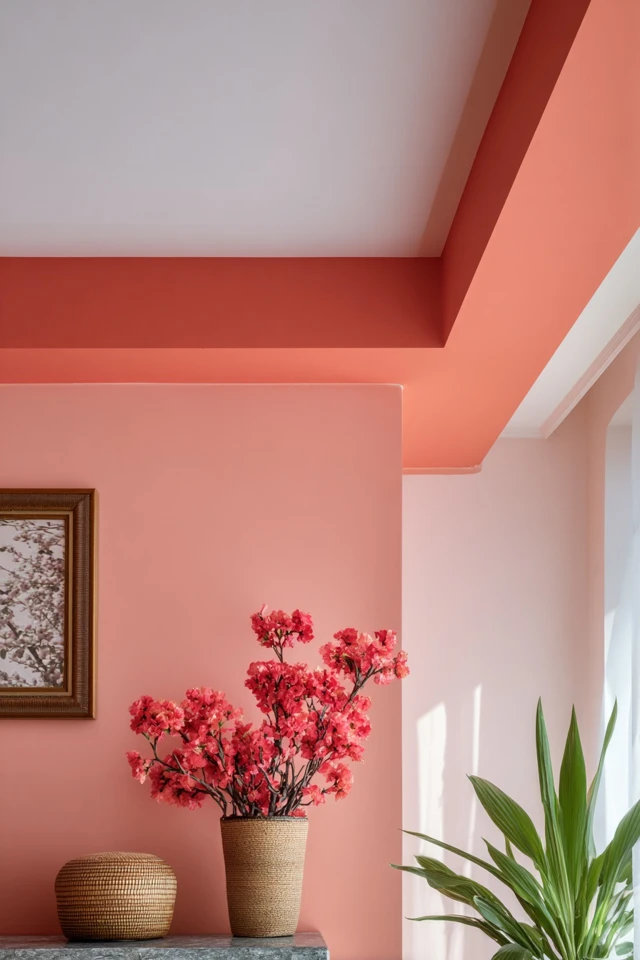
What are some modern ceiling design ideas?
Modern ceilings tend to be clean and low in relief. Think of a shallow tray with a painted recess, thin wood slats, or a matte dark ceiling in a room with plenty of height. Matte finishes absorb light and hide small flaws, while gloss bounces light around and shows every bump in the plaster.
A few modern options that work in most homes:
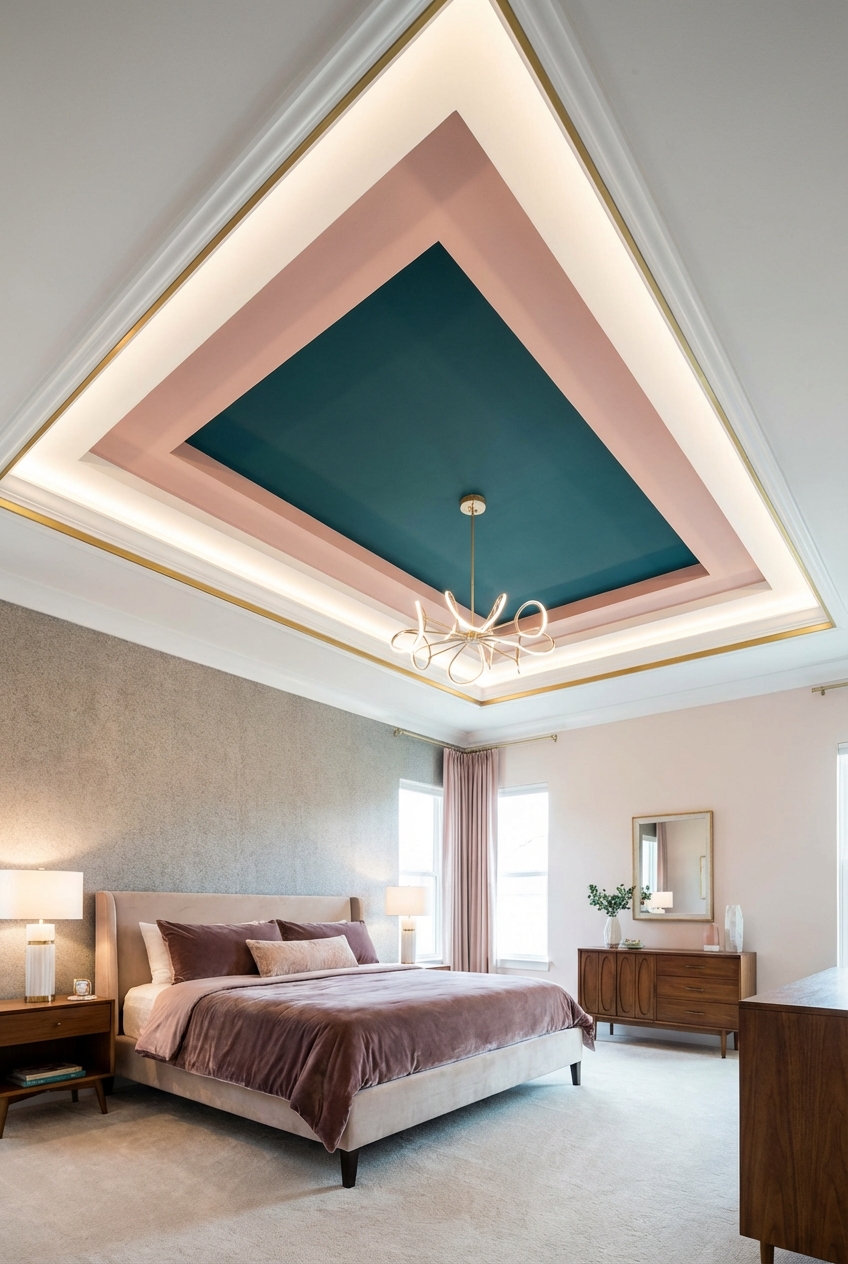
- A tray ceiling with a slightly different shade in the recess.
- Slim wood slats over a dining area or entry.
- A single dark or saturated color carried from the walls onto the ceiling.
- Black metal or brass trim around recessed fixtures.
Which simple, low budget ceiling ideas make the biggest difference?
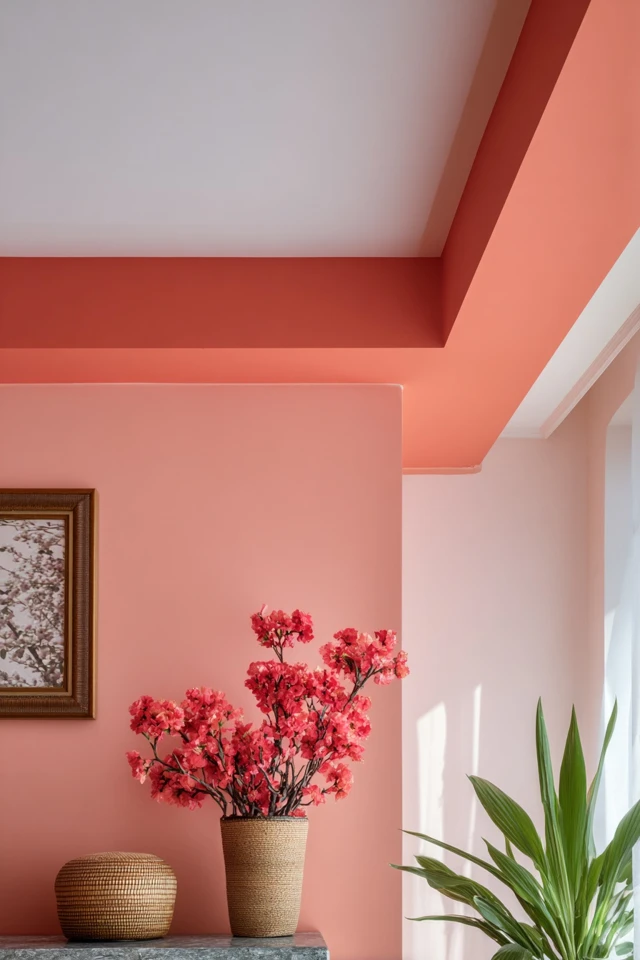
Paint is the cheapest upgrade and the one I'd try first. A ceiling a shade lighter than the walls tends to feel higher, while a deeper color makes a room feel more enclosed and cozy. Test a patch of about 2-3 square feet and look at it in morning, midday and evening light, because ceilings pick up color from the walls and floor.
Other simple ceiling design ideas that cost little:
- Add crown molding to define the edge where wall meets ceiling.
- Install a ceiling medallion under a pendant or chandelier.
- Paint faux beams or lightweight wood-look beams instead of structural ones.
- Swap a dated flush mount for a better fixture.
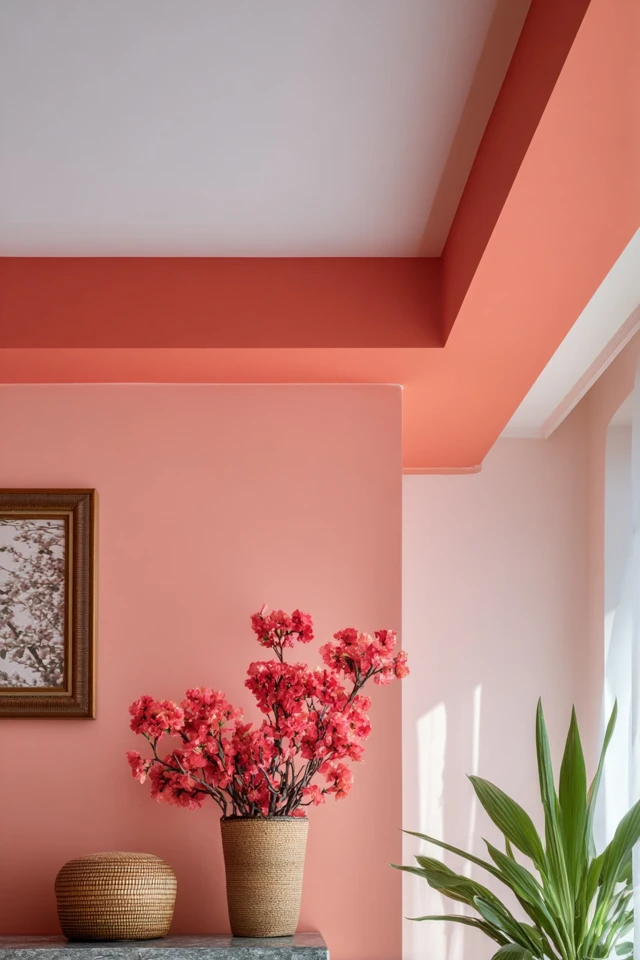
How do beams, coffers and trays compare?
These three add architecture, so they need height and proportion. Scale is the rule: deep coffers on a low ceiling feel heavy, and a shallow tray or simple molding looks more elegant. As an architect, I'd keep heavy beams for ceilings well above standard height and use thin slats or painted faux beams in smaller rooms.
Decorative ceiling detail has a long history in American houses. The National Park Service notes that the dominant characteristic of the Italianate style was a low, overhanging roof with decorative eave brackets, with much of the ornament concentrated at the roof line. Classic proportions like these are why well-sized moldings and coffers still look right decades later.
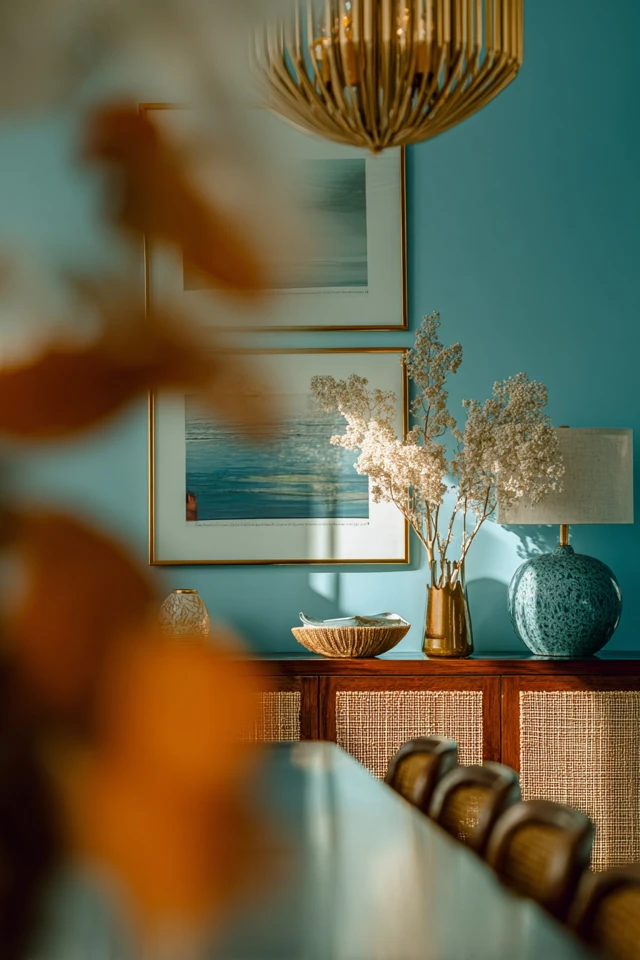
What are the best ceiling design ideas with lights?
Lighting changes how a ceiling looks more than almost any material. Layer it: recessed ambient lights, one central pendant or chandelier, and an accent source such as cove lighting hidden in a tray or along a wall edge. Uplighting grazes the surface and brings out texture, so use it on plaster or wood rather than on a flawed flat ceiling.
Put everything on dimmers. A coffered ceiling with lights in each recess can feel festive at full brightness and calm at low. If you're cutting new openings or running wiring, hire a licensed electrician. For more on built-in fixtures, see our post on recessed ceiling decor and the one on inset ceilings.

Which ceiling works best in each room?
Living room
Open living areas suit zoning with a ceiling change: a tray, a wood plank section, or a pendant cluster over the seating group. Anchor the sofa area under the feature so it makes sense with the furniture.
Bedroom
Go calm. Low-saturation colors, a soft matte finish and warm dimmable light work well. A fabric or felt panel above the bed can also soften sound. More ideas are in our chic bedroom ideas.
Kitchen and bathroom
Choose washable satin or eggshell paint in rooms with steam and cooking splatter. Wood and plaster need sealing or ventilation planning, so ask a pro before using them near showers.
Small rooms
Skip bulky beams. A pale matte ceiling, a low-profile flush mount and slim slats keep height intact.
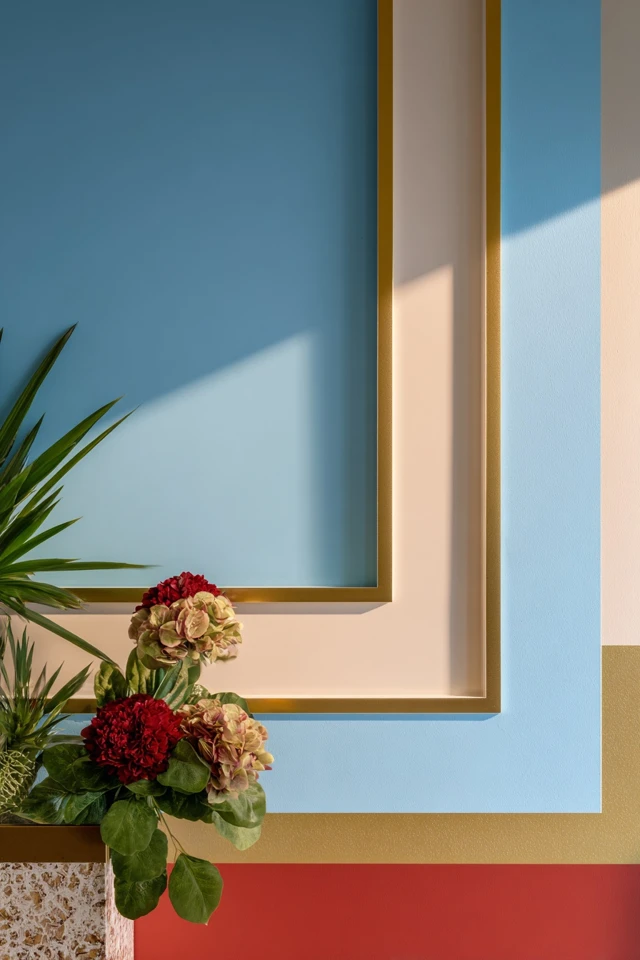
How do you pick a design that will last?
Put bold or trendy choices in things that are easy to change, such as paint and fixtures, and keep structural work classic. A jewel-toned ceiling is a weekend repaint; a deeply coffered one is a renovation.
Measure the room first, mock up proportions with tape or cardboard, and check how the ceiling color relates to something already in the room, like a rug or artwork. If you're separating zones too, our piece on partition designs between living and dining rooms pairs well with a ceiling change.
Frequently asked questions
What are the current ceiling design trends?
Popular directions include painted or color-drenched ceilings, wood slats, matte dark finishes and softly lit cove details. Treat them as accents you can repaint or swap rather than permanent structure.
How can I make my ceiling more attractive?
Start with paint, then add molding, a medallion or a better light fixture. Wood slats or a tray ceiling are the next step if you want more depth.
Are dark ceilings outdated?
No. They suit rooms with enough height or smaller zones where a cozy feel is wanted. Balance them with lighter walls and good lighting.
Can I mix ceiling materials in an open-plan home?
Yes, a change of material can mark zones, such as wood over the dining area and paint elsewhere. Keep one color or texture in common so it feels unified.
Filed under
ArticlesMeet the author
Written by an architect.
Julio Arco is a passionate architect with years of experience in architecture, interior design, urban design, and housing. He studied at prestigious universities across North America and Europe.

- Name
- Julio Arco
- Job
- Architect and online interior designer
- Studied
- Architecture, ITESM · Urban Design and Housing, McGill
- Partner
- Thor, Australian Shepherd
- Thor’s title
- Head of quality control