Wall Molding Ideas for Every Room and Style
Wall molding ideas by room and style: picture frame, board and batten, wainscoting and crown, plus the types, proportions and finishes to choose.

By Julio Arco
Architect and online interior designer
In this post
- What are the different types of wall molding?
- How do you choose profile, material and proportion?
- Which simple wall molding ideas work for beginners?
- Modern wall molding ideas
- Traditional and decorative wall molding ideas
- Wall molding ideas for the living room
- Wall molding ideas for the bedroom
- Kitchens, bathrooms and entries
- Using molding in high or low rooms
- Is wall molding in trend?
- Frequently asked questions
The best wall molding idea is the one that suits your ceiling height and your room's size. Picture frame molding works almost anywhere, board and batten suits walls that get bumped, and plain crown and tall baseboards are the safest upgrade. Start there, then add detail.
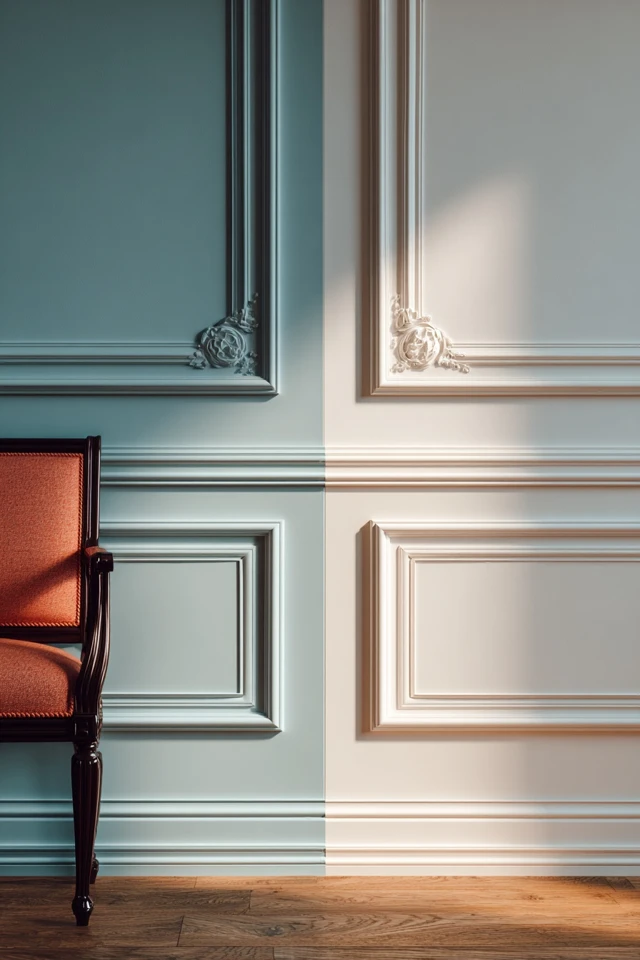
Molding is one of the few decor changes that becomes part of the architecture. It gives the eye lines to follow, it adds shadow, and it makes a flat wall look planned. Here are the types, the proportions, and the ideas by room.
What are the different types of wall molding?
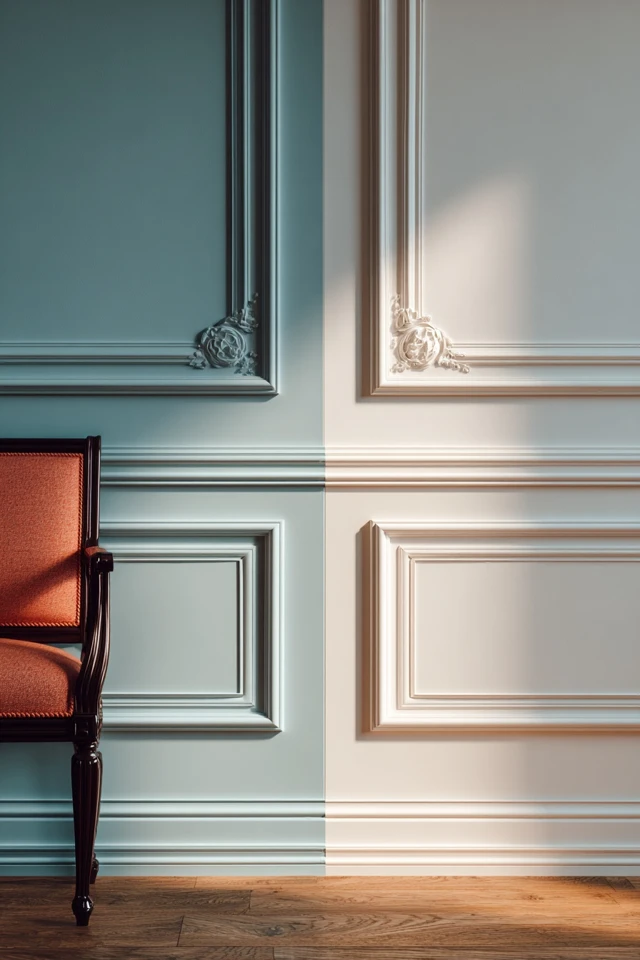
Most trim falls into a few families, and each has a name worth knowing before you shop.
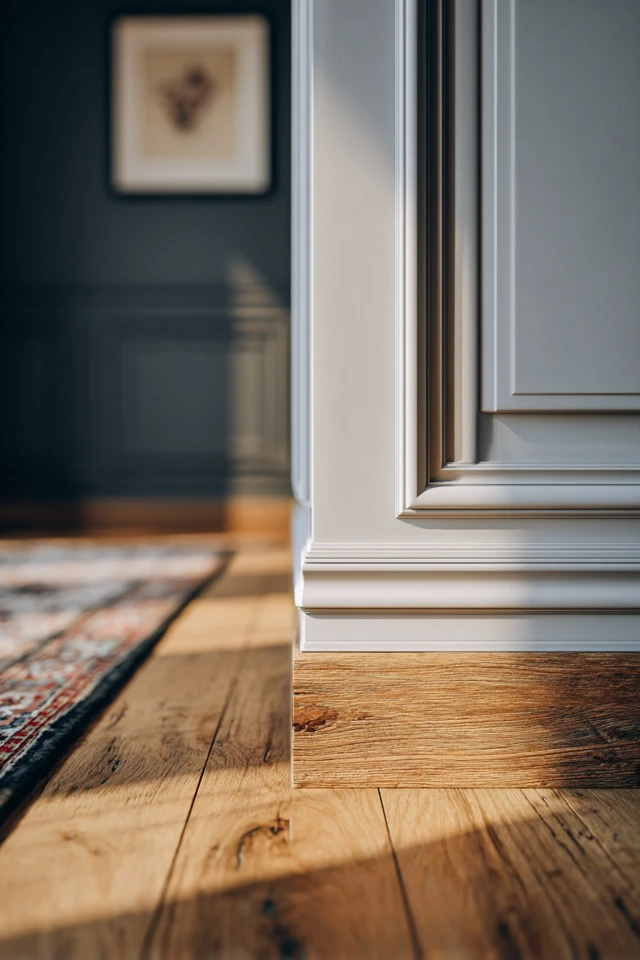
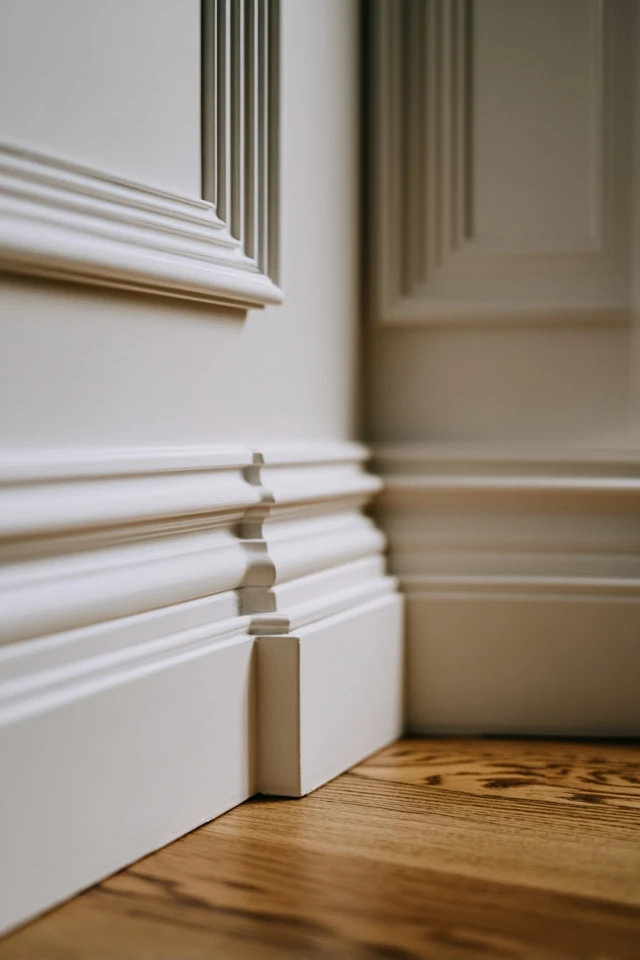
- Baseboard: runs along the floor. It protects the wall from vacuums, shoes and dog tails.
- Crown molding: sits where the wall meets the ceiling.
- Chair rail: a horizontal band at about 30-36 inches from the floor, traditionally to protect walls from chair backs.
- Picture rail: a horizontal band near the ceiling, used to hang art.
- Wainscoting: paneling on the lower part of the wall, including raised panels, flat panels and beadboard.
- Picture frame molding: thin rectangles applied flat to the wall, like empty frames.
- Casing: the trim around doors and windows.
So if you ask what the molding that goes on walls is called, the answer depends on where it sits. Along the floor it's a baseboard, at the ceiling it's crown, and in the middle it's a chair rail.
How do you choose profile, material and proportion?
Scale is where most trim projects go wrong. Narrow profiles look right in small rooms and with slim furniture. Taller baseboards and deeper crown suit high ceilings and large rooms. Mix profiles from the same family, and change depth gradually instead of jumping from flat to very ornate.
Before you buy anything, outline the trim with painter's tape on the wall and live with it for a day. It costs nothing and shows you the proportion better than a drawing.
For materials, primed MDF is smooth and affordable for painted trim in dry rooms. Solid wood suits stained or high-wear areas. In bathrooms and kitchens, PVC or well-sealed trim handles moisture better. For paint, semi-gloss is easy to wipe and holds up to scuffs, while satin hides glare and looks softer. If a dog rubs against the lower wall every day, a wipeable finish on baseboards and wainscoting is worth it.
Which simple wall molding ideas work for beginners?
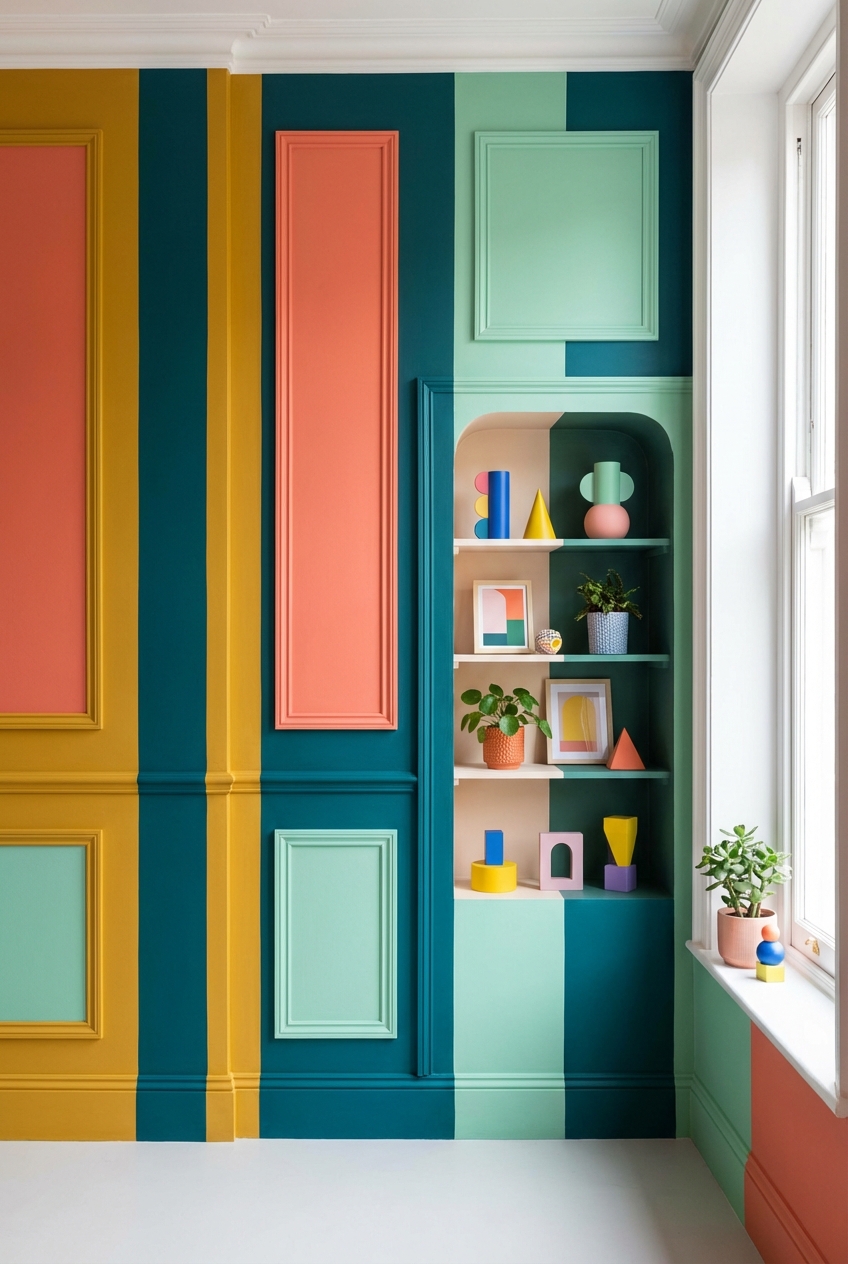
Picture frame molding is the usual starting point. You apply thin strips in rectangles, paint the wall and trim one color, and the shadows do the rest. Keep spacing even and the rectangles aligned with door heights or furniture.
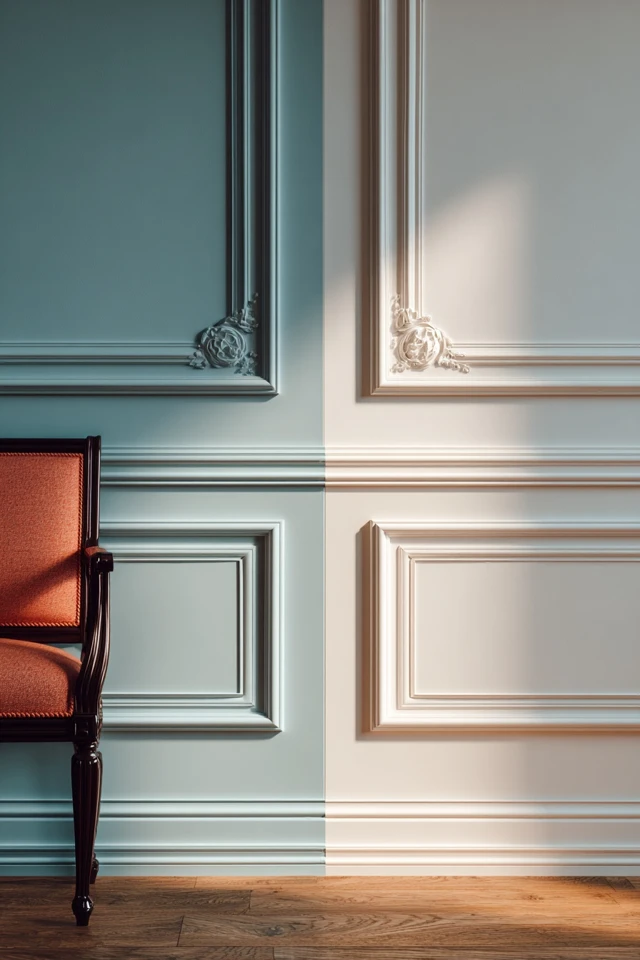
Other easy projects are replacing thin baseboards with taller ones, adding a plain chair rail, or painting existing trim a new color. Same-color trim and wall makes a calm, modern look. A contrasting trim reads more formal and shows off the profile.
Modern wall molding ideas
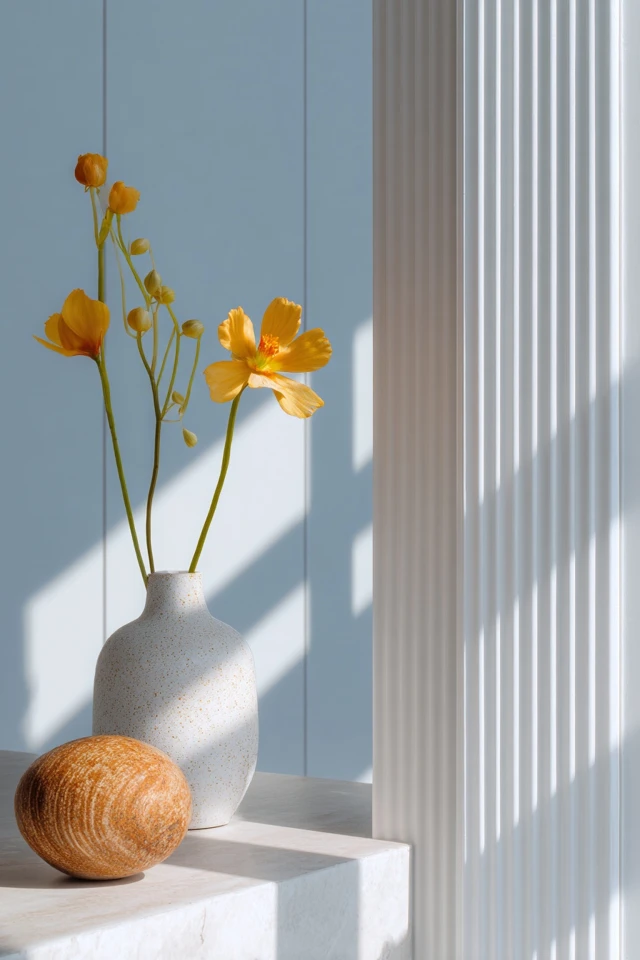
Modern molding is flat, geometric and restrained. Think slim vertical battens spaced evenly, a single wide panel behind a bed, or tall square-edged baseboards painted to match the wall. Skip decorative curves, and let one clean line do the work. Painting everything in a single matte color keeps the shadow as the only detail. If you like the batten look, modern shiplap accent walls are a close cousin.
Traditional and decorative wall molding ideas
Traditional rooms use layered detail: raised panel wainscoting, a chair rail, and a built-up crown. Historic American styles are a useful reference. The National Park Service notes that the Italianate style, most prevalent between the 1850s and the 1880s, put decorative detail just at the roof line, which is why heavy cornices and brackets feel natural in those homes. Greek Revival, popular in the 1830s through the 1860s, was inspired by the classical Greek temple, and its flat, wide trim and column-like door surrounds come from that source.
You don't need a historic house to borrow these ideas. As an architect, I'd match the detail level to the house: ornate profiles in a plain new build can look pasted on, while simple crown and wainscoting suit almost any home.
Wall molding ideas for the living room
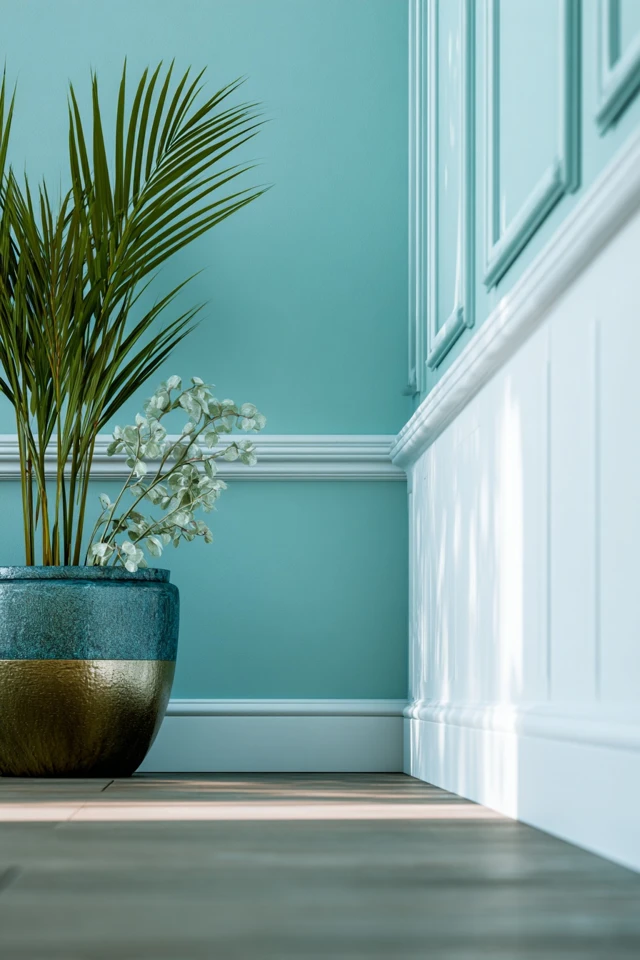
In a living room, the wall behind the sofa is the natural place for picture frame molding or vertical battens, because furniture and art already gather there. Scale the rectangles to the sofa so the panels feel related to it. A picture rail lets you change the art without drilling new holes, which suits renters who ask the landlord first.
If your open plan needs zones, keep the same baseboard throughout and let a chair rail or paneling mark the dining area. Your shiplap accent wall options work the same way.
Wall molding ideas for the bedroom
Behind the bed is the best spot. A panel wall can act as a headboard, either as large frames about as wide as the bed or as tall battens that run to the ceiling. Paint it a deep, quiet color for a cocooning effect, or keep it tone on tone for a softer look. Our grey accent wall bedroom ideas pair well with this.
Kitchens, bathrooms and entries
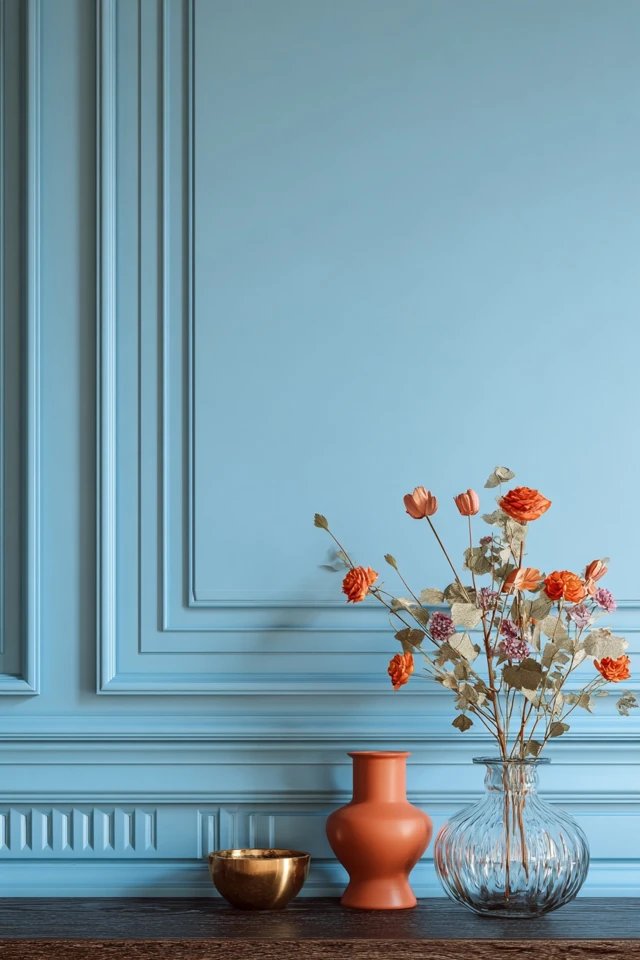
In kitchens, trim works best at the ceiling, around windows, and as a finished edge on cabinetry. In bathrooms, wainscoting or beadboard up to about 36-48 inches is traditional and protects against splashes, but use moisture-resistant materials. Entries take the most wear, so board and batten or wainscoting in a scrubbable finish earns its place there.
Using molding in high or low rooms
In a low room, keep trim the same color as the wall and ceiling and use vertical lines such as battens to draw the eye up. In a tall room, a chair rail or a panel with a top rail brings the wall back to human scale. In a stairwell, follow the stair's slope with the rail lines so the trim stays parallel to the treads.
Is wall molding in trend?
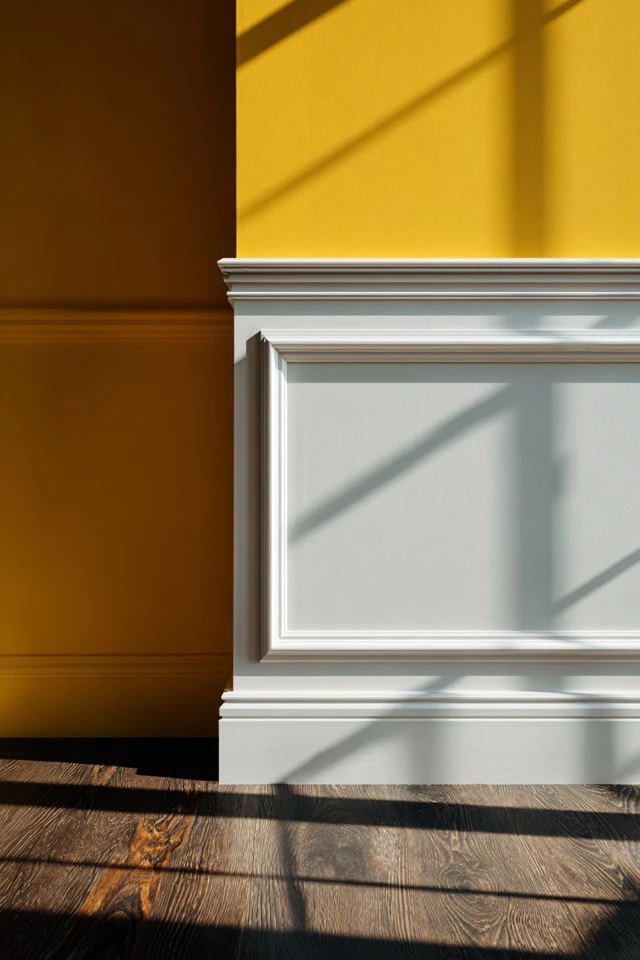
Yes. Picture frame molding, board and batten, tall baseboards and deep window casings are all common right now, and many are painted in a single color. I recommend putting classic profiles on permanent elements like baseboards and crown, and trying trends on the parts that are easy to repaint, like accent panels. That way the room still looks right when the fashion changes.
Frequently asked questions
What is the best moulding design for a wall?
Picture frame molding is the most flexible. It suits living rooms, bedrooms and hallways, and it is easy to scale to the wall.
Is wall moulding in trend?
Yes, especially picture frame molding, board and batten, and tall baseboards, often painted in one color with the wall.
How can I make a small room feel larger with trim?
Paint trim the same color as the walls and keep profiles simple. Heavy ornate molding takes up visual space in a small room.
Which paint finish is best for trim?
Semi-gloss is durable and easy to wipe, so it suits baseboards, kitchens and bathrooms. Satin gives a softer look with less glare.
Filed under
ArticlesMeet the author
Written by an architect.
Julio Arco is a passionate architect with years of experience in architecture, interior design, urban design, and housing. He studied at prestigious universities across North America and Europe.

- Name
- Julio Arco
- Job
- Architect and online interior designer
- Studied
- Architecture, ITESM · Urban Design and Housing, McGill
- Partner
- Thor, Australian Shepherd
- Thor’s title
- Head of quality control