DIY Backyard Pond: Low-Cost Steps for a Small Pond
Build a DIY backyard pond on a budget: pick a spot, dig to the right depth, fit a liner, finish the edges and keep the water clear.

By Julio Arco
Architect and online interior designer
In this post
- Where should you put a backyard pond?
- Can you just dig a hole and make a pond?
- The cheapest way to make a pond
- How to build a pond step by step
- How deep should a small backyard pond be?
- How to build a small garden pond from a container
- Finish the edges with rocks and plants
- Keep the water clear and algae in check
- Frequently asked questions
A DIY backyard pond needs four things: a level spot, a hole with shelves at different depths, a liner or watertight container, and a few plants to keep the water balanced. Everything else is finishing. You can do it over a weekend with a shovel and a modest budget.
The old version of this post was about indoor ponds and talked mostly about color palettes. This one is about the outdoor build most people are actually searching for, with the cheapest options first.
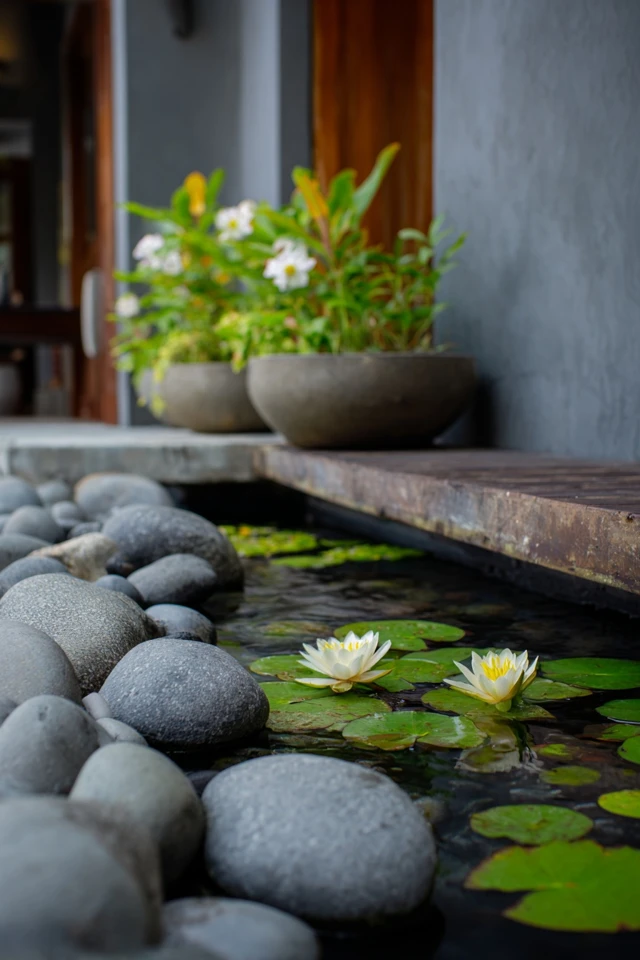
Where should you put a backyard pond?
Pick a flat area you can see from a window or patio, since you'll enjoy it most when it's in view. A spot with some sun and some shade is a good compromise. Full sun tends to grow algae faster, and a pond right under a tree fills with leaves.
Keep it away from low spots where rain runoff collects, and away from buried utilities. Call your local utility locator before you dig. If you have a dog, think about the route it takes through the yard. Dogs will wade in, so a gently sloped edge is kinder than a sheer drop.
Also check whether your town or HOA has rules about ponds and fencing. Rules vary, and it's a five-minute call.
Can you just dig a hole and make a pond?
Not reliably. Unless your soil is dense clay, a plain hole will drain within days. You need something to hold water: a flexible pond liner, a preformed rigid basin, or a watertight container. A liner is usually the cheapest way to get a custom shape, and a container is the cheapest way to get started at all.
The cheapest way to make a pond
For diy backyard pond ideas on a budget, rank your options by how much digging and material they need:
- A half whiskey barrel, large planter without drainage holes, or a tub set on the ground. No digging.
- A sunken container, buried so the rim sits at ground level. A little digging.
- A liner pond with a hole you shape yourself. The most digging, and the most room for plants and wildlife.
Free or secondhand containers work well, as long as they never held chemicals. Rinse them well and skip anything that smells of fuel, paint or pesticide.
How to build a pond step by step
This is the liner method, which suits most yards.
- Mark the outline with a garden hose or rope. Look at it from the house and adjust until the curve looks natural.
- Dig the main basin, then cut shelves along the edges for plants. Keep the walls sloping slightly rather than vertical so they don't collapse.
- Remove sharp stones and roots, then lay a layer of sand or old carpet or underlayment to protect the liner.
- Drape the liner loosely across the hole, with extra on every side, and let it settle as you fill with water. Don't pull it tight.
- Fill slowly, smoothing folds as the water rises. Trim the excess later, leaving enough to tuck under the edging stones.
- Let the water sit before adding fish. Tap water often needs time or a dechlorinator, so ask at a pond or aquarium supplier.
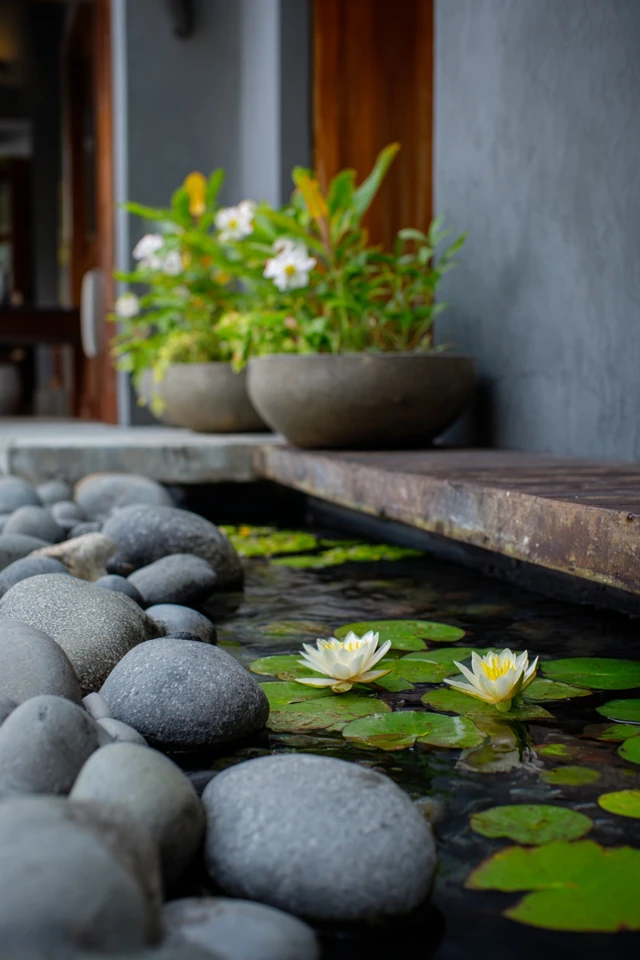
How deep should a small backyard pond be?
It depends on what lives in it. For plants and a bit of wildlife, a main depth of about 18-24 inches is common, with shelves of about 8-12 inches for marginal plants. Goldfish or koi in cold climates need more depth so the water doesn't freeze solid, and local conditions matter, so ask a nearby pond supplier what works in your region.
If your goal is birds, go shallow. Penn State Extension notes that birds will only use a bath with shallow water, no more than two to three inches at the deepest. Adding a sloped rock or a shallow shelf gives them a place to land.
How to build a small garden pond from a container
Choose a watertight vessel at least 12-18 inches deep. Set it on level ground, or dig a hole just wide enough to bury it to the rim. Stack bricks or upturned pots inside so potted plants sit at the right height, then fill with water.
A container pond is also the easiest to protect from curious pets, since you can cover it with a mesh or grate. If fish are part of your plan, check with a pond supplier or your vet about how many a small volume can support. Small containers heat up and lose oxygen quickly.
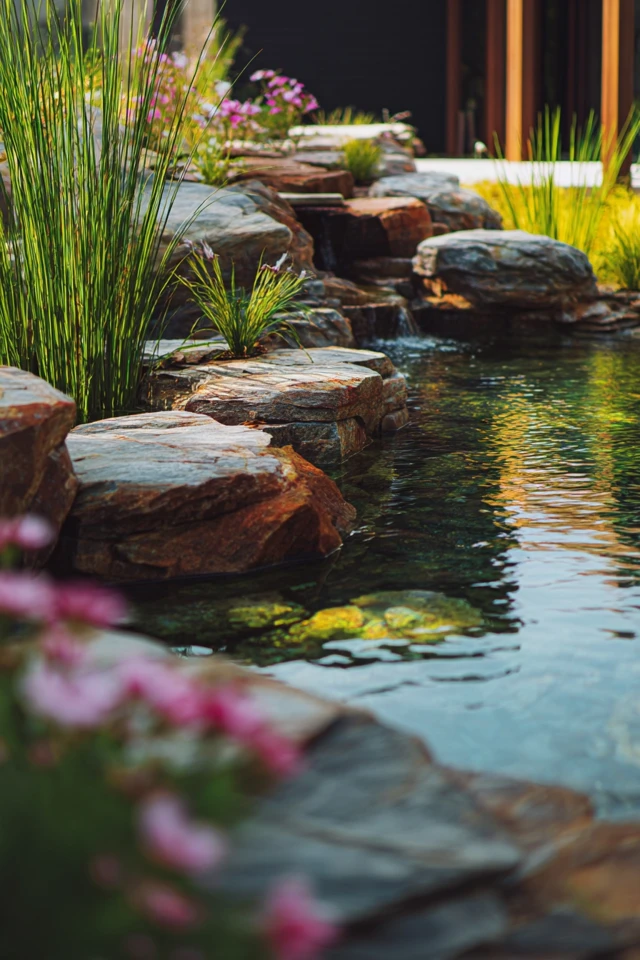
Finish the edges with rocks and plants
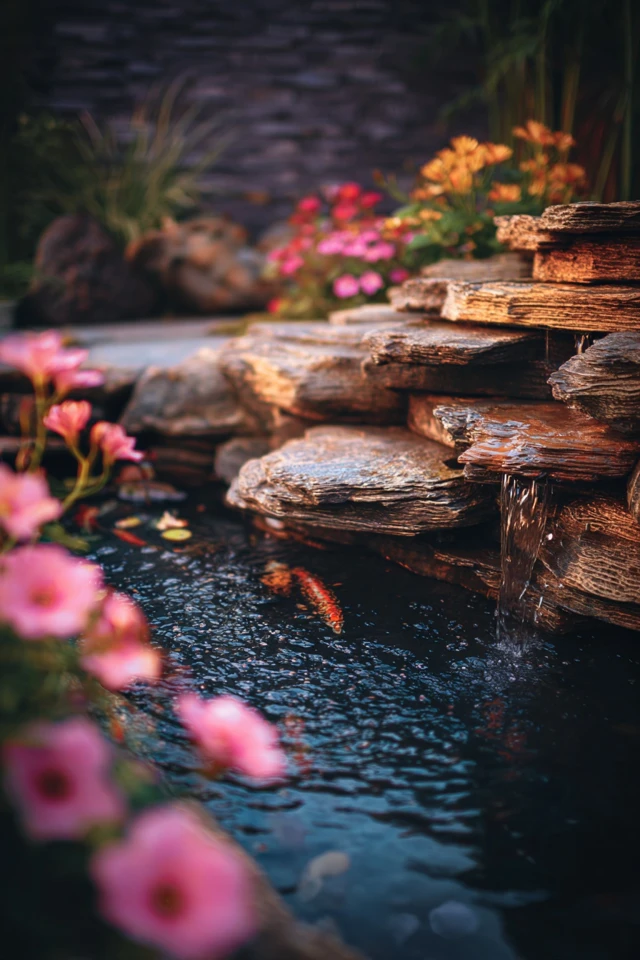
Edging hides the liner, which fades in sunlight. Overlap flat stones on the rim so about an inch hangs over the water, and set a few larger stones into the shelves. Use stones sourced locally if you can, because they look at home in the yard.
Plants do real work in a pond. Submerged plants and floating leaves shade the water and compete with algae for nutrients. Aim to cover roughly half the surface with leaves over time, and choose species suited to your climate.
When you plant the surrounding ground, group each species together instead of scattering one of everything. Master Gardener Deb Christopher of Penn State Extension says that "If disease or pest problems arise, the entire monoculture planting may be killed. Instead, consider planting drifts or groups of single species, providing a patchwork-quilt effect."
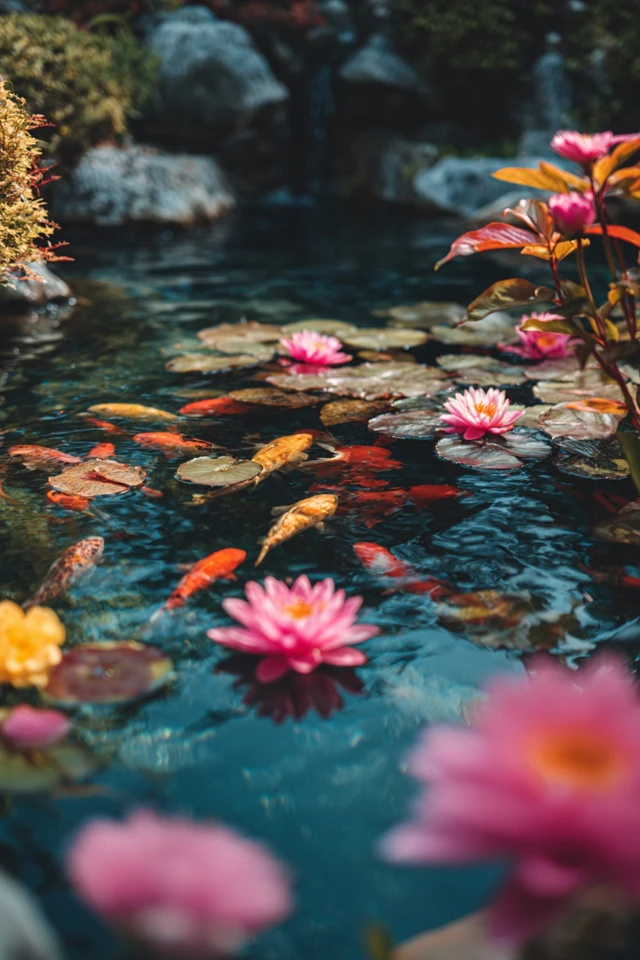
Keep the water clear and algae in check
Some green is normal in a new pond. It settles as plants establish. A few habits help:
- Scoop out fallen leaves before they rot.
- Don't overfeed fish, and keep the fish count low.
- Add a small pump or fountain for movement. Check that any outdoor electrical connection is installed by a licensed electrician.
- Top up with water as it evaporates.
If you have kids or pets, I recommend a sturdy cover or fence for the first season, and nonslip stones around the edge.
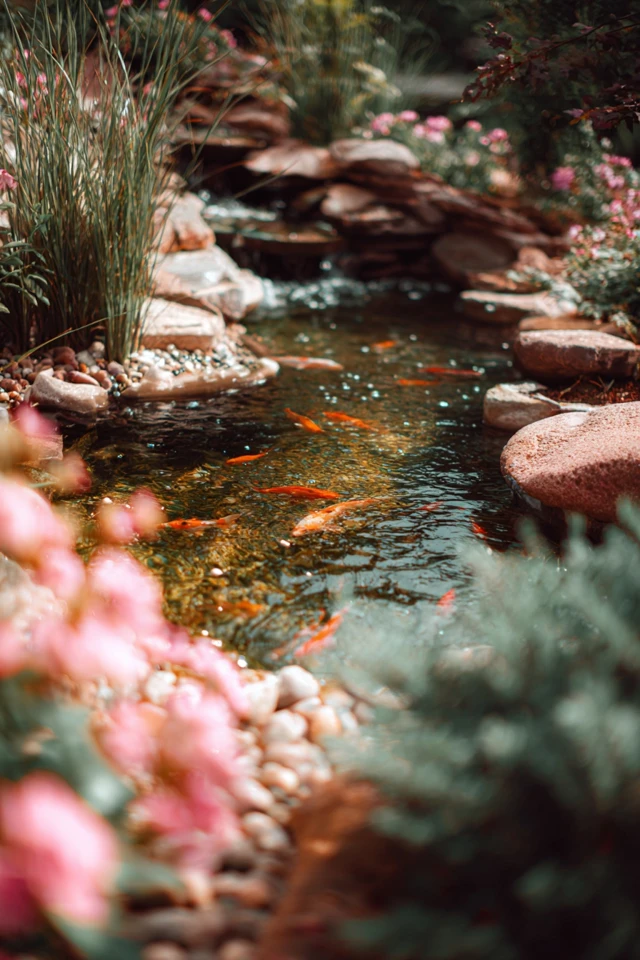
Looking for a few more ideas before you pick a shape? Our budget pond ideas post has more layouts to compare.
Frequently asked questions
What is the cheapest way to make a pond?
Use a watertight container, such as a half barrel or large tub with no drainage holes, set on the ground or buried to the rim. It needs no liner and very little digging.
How to make a homemade pond in your backyard?
Mark an outline, dig a basin with shallow shelves, protect the hole with sand or underlayment, then lay a liner and fill it slowly. Finish the edge with stones and add plants.
How deep should a small backyard pond be?
A depth of about 18-24 inches suits most small plant ponds, with shelves of 8-12 inches for marginal plants. Fish in cold climates may need more, and bird baths should be only a few inches deep.
Can you just dig a hole and make a pond?
Only if your soil is dense clay that holds water. In most yards you need a liner, a rigid basin or a container to keep the water in.
Filed under
ArticlesMeet the author
Written by an architect.
Julio Arco is a passionate architect with years of experience in architecture, interior design, urban design, and housing. He studied at prestigious universities across North America and Europe.

- Name
- Julio Arco
- Job
- Architect and online interior designer
- Studied
- Architecture, ITESM · Urban Design and Housing, McGill
- Partner
- Thor, Australian Shepherd
- Thor’s title
- Head of quality control