DIY Backyard Pond Ideas on a Budget: Simple Steps
Build a DIY backyard pond on a budget: pick a spot, choose depth, set a liner or container, add plants and keep the water clear, step by step.

By Julio Arco
Architect and online interior designer
In this post
- Which DIY backyard pond ideas on a budget work best?
- How do you choose the spot?
- How deep should a small backyard pond be?
- How to build a pond step by step
- How do you make a small garden pond from a container?
- What about a natural pond and no-dig options?
- Finish the edges and add plants
- How do you keep a pond clean and algae-free?
- Frequently asked questions
The cheapest way to make a pond is to skip the excavation: sink or set a watertight container (a half barrel, a large plastic tub, a glazed pot with no drainage hole) and add a few plants. If you want something bigger, a hand-dug hole lined with pond liner is the next most affordable route, and it's very doable in a weekend.
Below is how to build a pond step by step, with the choices that matter most for a small budget: location, depth, liner, edges, plants and upkeep. I'll also flag what to think about if a dog shares your yard.
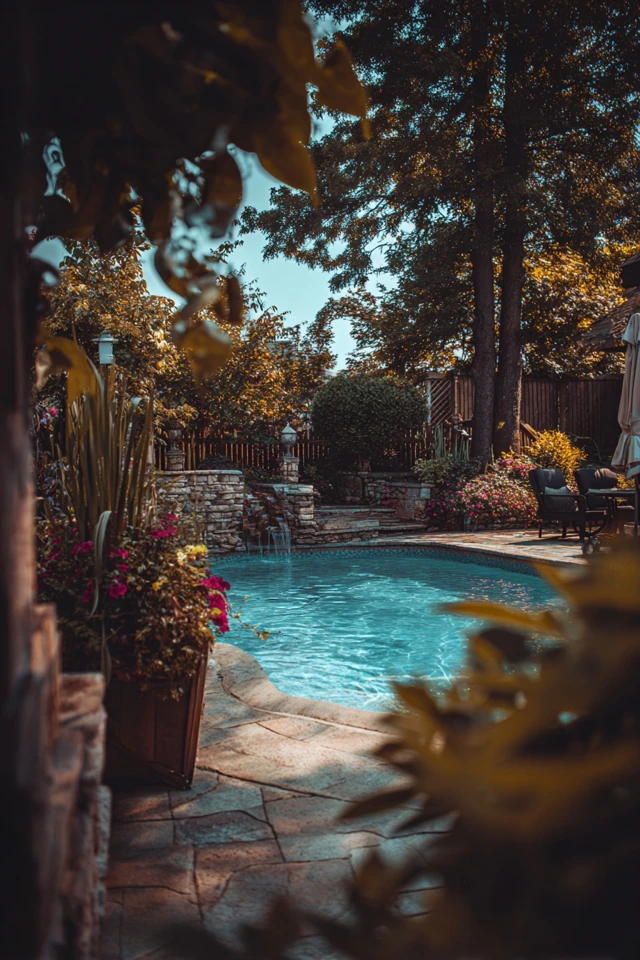
Which DIY backyard pond ideas on a budget work best?
Three approaches cover most yards and wallets:
- A container pond. Cheapest and fastest, and easy to move or empty. It suits patios, balconies and renters.
- A lined, hand-dug pond. More water, more plants, more time with a shovel. A flexible liner costs far less than a preformed shell of the same size.
- A raised or partly raised pond. Useful if the soil is rocky or you don't want to dig. Stack stone, bricks or timber for the wall and line the inside.
Can you just dig a hole and make a pond? Only in heavy clay soil that holds water, and even then it's a gamble. In most soils the water drains away, so a liner is what makes it a pond.
How do you choose the spot?
Pick a flat area you can see from a window or a seat, since a pond you can't watch is a pond you'll forget about. Aim for a mix of sun and shade: some sun helps water plants, but a spot baking all day invites algae. Keep it away from large trees whose leaves will fall in, and away from buried utilities. Call your local utility locator service before you dig.
Check your local rules too. Some areas have fence or safety requirements for ponds, and a quick call to your town saves a headache later.
If you have a dog, think about the route it takes through the yard. A pond right on the main sprint path will get splashed in. A gentle sloped edge also lets animals and small wildlife climb out. Check with your vet about anything your dog might drink from the water.
How deep should a small backyard pond be?
For a small ornamental pond with plants, about 18-24 inches at the deepest point is a common target. Make it shallower if you only want plants and a splash of water. In cold climates where the water freezes, deeper water gives plants and fish more protection, so ask a local nursery what depth suits your winters.
Build in steps. A shelf about 8-12 inches down holds potted marginal plants, and a deeper center holds the rest. If you want birds to use it, add a flat rock at the edge: Penn State Extension notes that birds will only use a bath with shallow water, no more than two to three inches of water at the deepest.
How to build a pond step by step
- Mark the outline with a garden hose or rope. Live with it for a day and adjust.
- Dig to your planned depth, with the shelf and a sloped side. Remove sharp stones and roots.
- Check that the rim is level. Lay a long board across the hole with a level on top and fix high spots now, not after filling.
- Line the hole with a layer of sand, old carpet or purpose-made underlay to protect the liner.
- Measure the liner: length is the pond's length plus twice the depth, and width is the width plus twice the depth, plus about a foot extra all round for the edges.
- Lay the liner loosely, start filling slowly, and smooth folds as the weight settles it.
- Trim the excess, leaving enough to tuck under edge stones, then finish the edges.
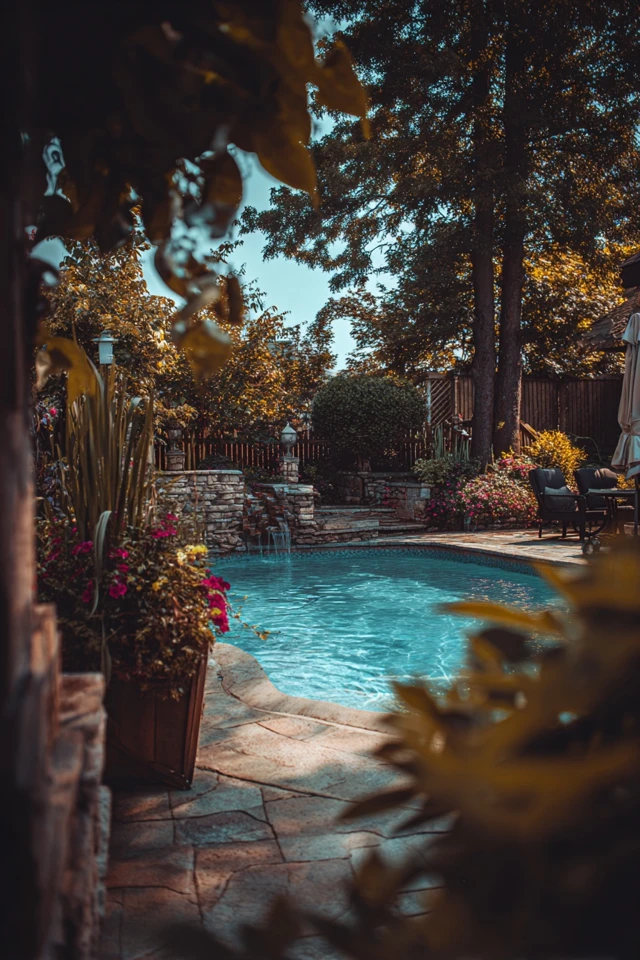
How do you make a small garden pond from a container?
Choose a container that holds water and is at least a foot or so deep. Rinse it well, and avoid anything that previously held chemicals. Set it on level ground, or dig a hole so the rim sits near ground level, which looks more natural and keeps the water cooler.
Stack bricks or upturned pots inside to make shelves for potted plants. Fill with water and let it sit a few days before adding plants. Tap water often contains chlorine, which fades as it stands.
A container pond makes a good trial run. If you enjoy it, you'll know what to do differently in a bigger one. If you're thinking about fish, our DIY fish pond ideas cover the extra planning.
What about a natural pond and no-dig options?
To build a natural-looking pond, use irregular edges, a gentle slope on one side, and a mix of rocks and plants that spill over the liner. Avoid a perfect circle, and avoid plastic edging showing at the rim.
For no-dig backyard pond ideas, build up instead of down. A stock tank, a half barrel or a ring of stacked stone lined with liner gives you the same effect. Surround the base with soil and plants so it doesn't look like a bucket on the lawn.
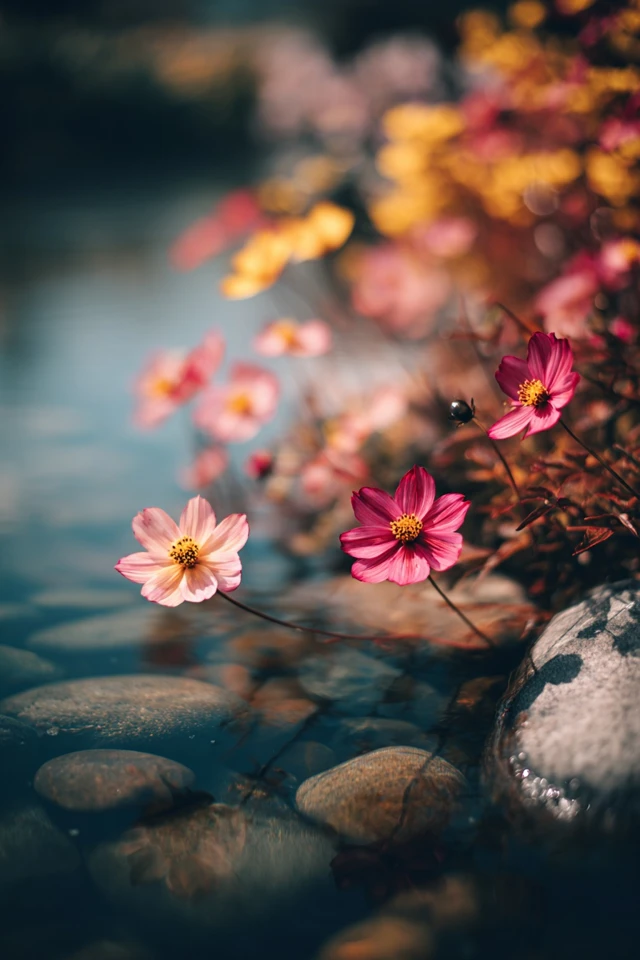
Finish the edges and add plants
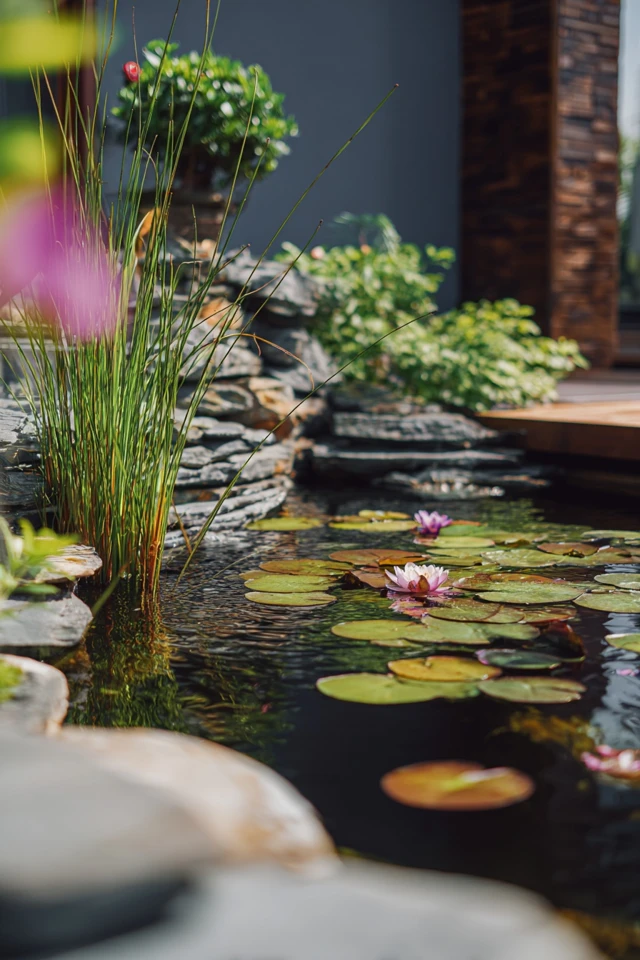
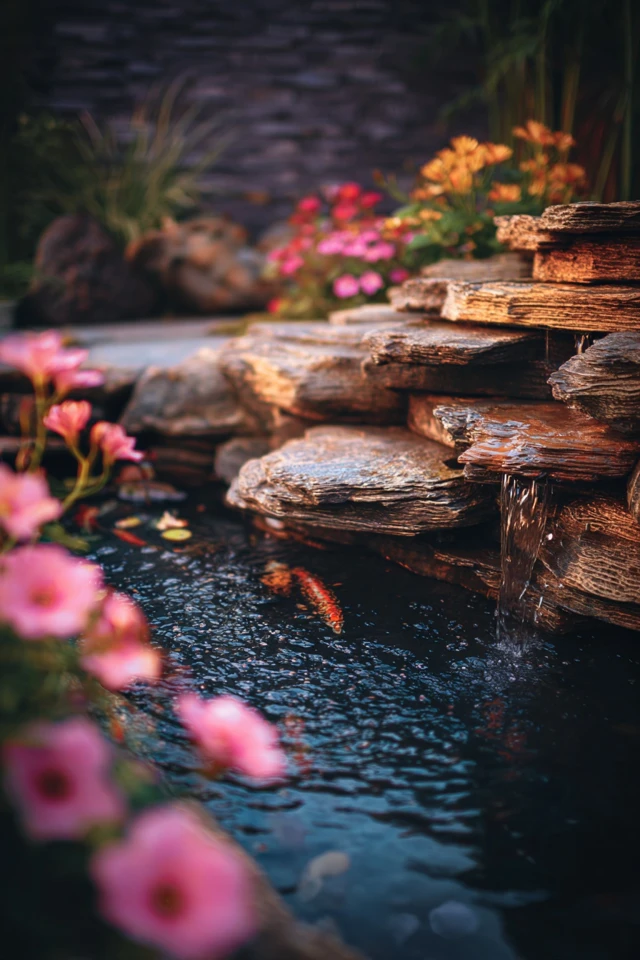
Hide the liner with flat stones, gravel or overhanging plants. Leave one section of stones lower than the rest so wildlife can step in and out. Stones that are too smooth get slippery, so pick textured ones.
Plants keep the water clearer by using up nutrients that algae would otherwise feed on. Aim for a mix: a few submerged oxygenating plants, some floating ones to shade the surface, and marginal plants on the shelf. Group them rather than scattering single plants. Master Gardener Deb Christopher of Penn State Extension makes the point for ground covers, but it applies around a pond too: "If disease or pest problems arise, the entire monoculture planting may be killed. Instead, consider planting drifts or groups of single species, providing a patchwork-quilt effect."
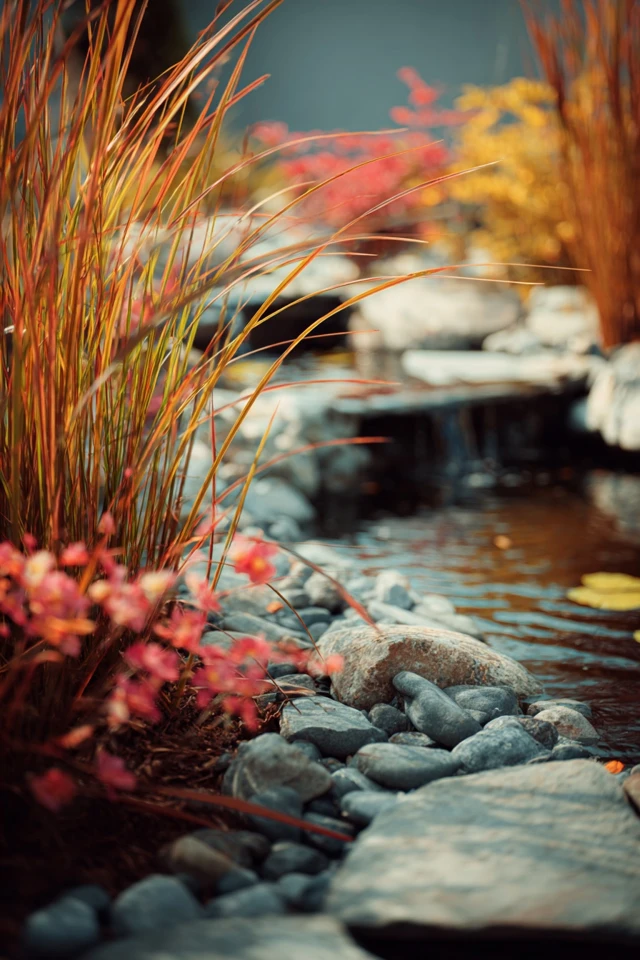
How do you keep a pond clean and algae-free?
- Cover roughly half the surface with plants or shade.
- Scoop out fallen leaves before they rot.
- Don't overfeed fish, and keep the stocking light.
- Top up evaporated water, and avoid emptying the pond completely unless it's really needed.
A small solar or low-voltage pump adds movement and sound, which many people find calming, though it isn't required. If you run mains-powered equipment outdoors, I recommend having a licensed electrician set up the outlet and protection.
Safety matters if children or small pets are around. As an architect, I'd keep a shallow design, a gradual slope and a sturdy edge, and avoid leaving a deep open pond unattended or unfenced around toddlers.
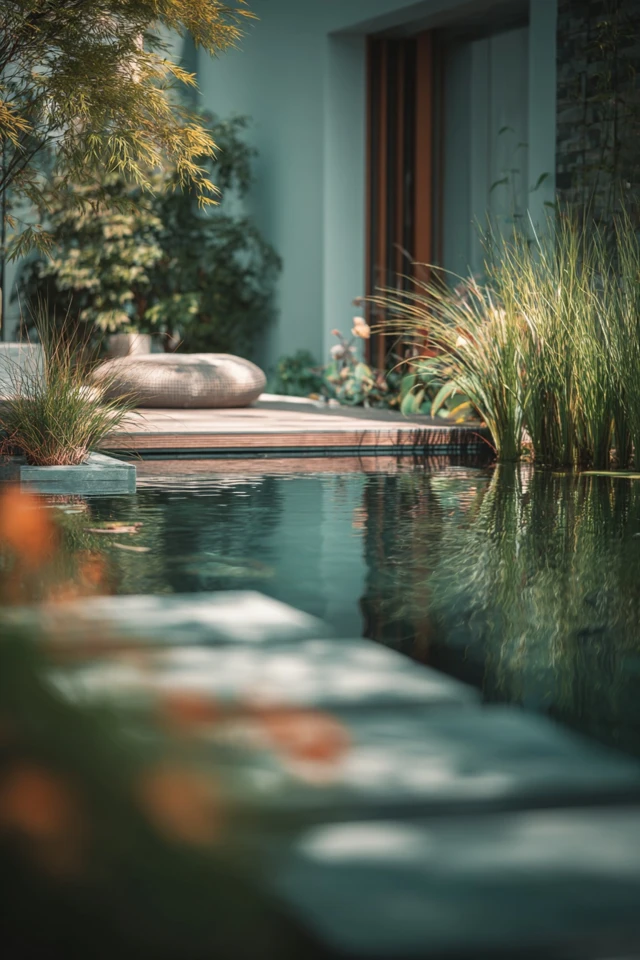
Start with a container or a small shelf-and-liner pond, live with it for a season, then expand if you like it. A modest pond done well costs less and looks better than a big one done in a hurry.
Frequently asked questions
What is the cheapest way to make a pond?
Use a watertight container such as a half barrel or large tub, set it on level ground or sink it, and add a few potted plants. Free or reused containers keep the cost close to zero.
Can you just dig a hole and make a pond?
Only if your soil is dense clay that holds water. In most yards the water drains away, so a flexible liner is what makes the hole a pond.
How deep should a small backyard pond be?
About 18-24 inches at the deepest point works for many small ornamental ponds, with a shallower planting shelf. Cold climates may need more depth, so ask a local nursery.
How do you make a homemade pond in your backyard?
Mark the shape, dig with a planting shelf, level the rim, protect the hole with underlay, lay a liner, fill slowly, then hide the edges with stones and plants.
Filed under
ArticlesMeet the author
Written by an architect.
Julio Arco is a passionate architect with years of experience in architecture, interior design, urban design, and housing. He studied at prestigious universities across North America and Europe.

- Name
- Julio Arco
- Job
- Architect and online interior designer
- Studied
- Architecture, ITESM · Urban Design and Housing, McGill
- Partner
- Thor, Australian Shepherd
- Thor’s title
- Head of quality control