DIY Backyard Pond: Simple Steps for a Small Budget
Build a DIY backyard pond with a simple plan: pick the spot, set the depth, fit the liner, edge it with rocks and add plants. Low-cost options included.

By Julio Arco
Architect and online interior designer

In this post
- Where should you put a backyard pond?
- Can you just dig a hole and make a pond?
- How to build a pond step by step
- How deep should a small backyard pond be?
- What is the cheapest way to make a pond?
- How do you finish the edges?
- Which plants keep the water clean?
- How do you keep a pond clean and algae-free?
- Frequently asked questions
A DIY backyard pond comes down to five decisions: where it goes, how deep it is, what holds the water, how you finish the edge, and what grows in it. Get those right and a weekend of digging gives you a small water feature that looks calm and mostly looks after itself.
If you're new to this, don't worry. A pond is a hole that holds water, and the cheapest versions are very forgiving. Below is how to build a pond step by step, plus a no-dig option for renters and small yards.

Where should you put a backyard pond?
Pick a spot you can see from a window or seat. You'll enjoy it more, and you'll notice problems early. Aim for a level area that gets partial sun, roughly part of the day rather than all of it. Full sun heats the water and feeds algae, while deep shade drops leaves into it all autumn.
Keep it away from tree roots, which make digging miserable, and away from the lowest point of the yard, where rain runoff will wash soil into the water. Call your local utility locator before you dig, and check whether your town or HOA has rules on water features. If you have a dog or small children, think about a fence or a shallow design they can't tumble into.
Can you just dig a hole and make a pond?
Not really. In most soils a bare hole drains or turns into a mud puddle. Only dense clay holds water on its own, and even then it can crack in dry spells. A liner, a preformed shell or a sealed container is what actually keeps the water in.
How to build a pond step by step
- Mark the outline with a garden hose or rope. Look at it from the house and adjust the curve until it feels natural.
- Dig out the shape, leaving a shelf about 8-12 inches below the surface along part of the edge for plants.
- Dig the deeper center, then check the rim with a level so one side won't spill over.
- Remove stones and roots, then lay a layer of sand or old carpet underlay to protect the liner.
- Drape the liner loosely over the hole, with at least a foot extra on every side, and fill slowly so it settles into the contours.
- Trim the liner and tuck the edges under rocks or soil.
To size the liner, add the pond's maximum depth twice to its length and width, then add a foot or two for the edges. A 6 by 4 foot pond that is 2 feet deep needs about 10 by 8 feet.

How deep should a small backyard pond be?
For a small ornamental pond, about 18-24 inches at the deepest point is a common target, with a planting shelf at 8-12 inches. Colder climates need more depth if you plan to keep fish through winter, so check local guidance.
If your goal is mainly wildlife, think shallower. Penn State Extension notes that birds will only use a bath with shallow water, no more than two to three inches at the deepest. A gently sloping edge or a few flat stones just under the surface gives them somewhere to stand, and also gives frogs and insects a way out.
What is the cheapest way to make a pond?
The cheapest way to make a pond is a flexible liner in a hand-dug hole, with rocks you already have for the edge and plants divided from a friend's pond. Preformed plastic shells cost more but are easier to level. Buying used materials or a pond-grade liner from a hardware store is where most savings come from.
Skip the plastic sheeting meant for painting. It degrades in sunlight and tears easily, so you'll be digging the whole thing up again within a season or two.
How to build a small garden pond from a container
This is the no-dig option, and it suits renters and tiny patios. Use a watertight half barrel, a large ceramic pot with the drainage hole sealed, or a heavy-duty plastic tub. Set it on level ground where it will get partial sun, fill it with rainwater or tap water that has sat for a day, and stack bricks inside to make shelves for potted plants.
A container pond holds far less water, so it heats and cools faster. Keep it out of hot afternoon sun, and add a small plant or two for shade on the surface.
How do you finish the edges?
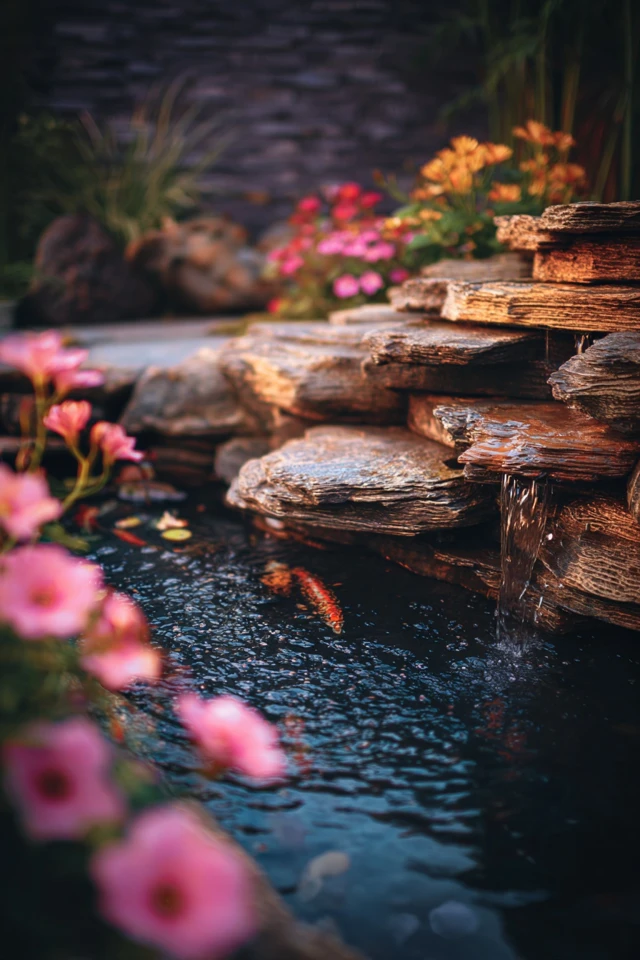
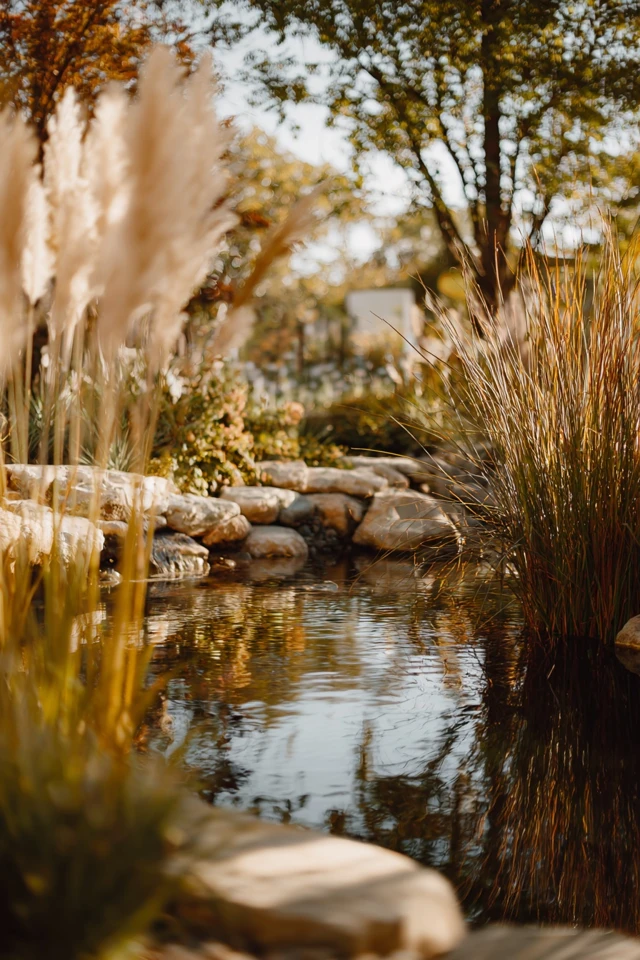
The edge is what makes a pond look built or natural. Overlap flat stones along the rim so the liner is hidden, and let some stones sit slightly proud of the water. Mix sizes: a few large stones, several medium ones, and gravel in the gaps. Leave one side as a low gravel beach so animals can drink safely.
Make sure the liner edge sits above the surrounding soil level. Otherwise water can wick out of the pond along the liner and you'll be topping it up constantly.
Which plants keep the water clean?
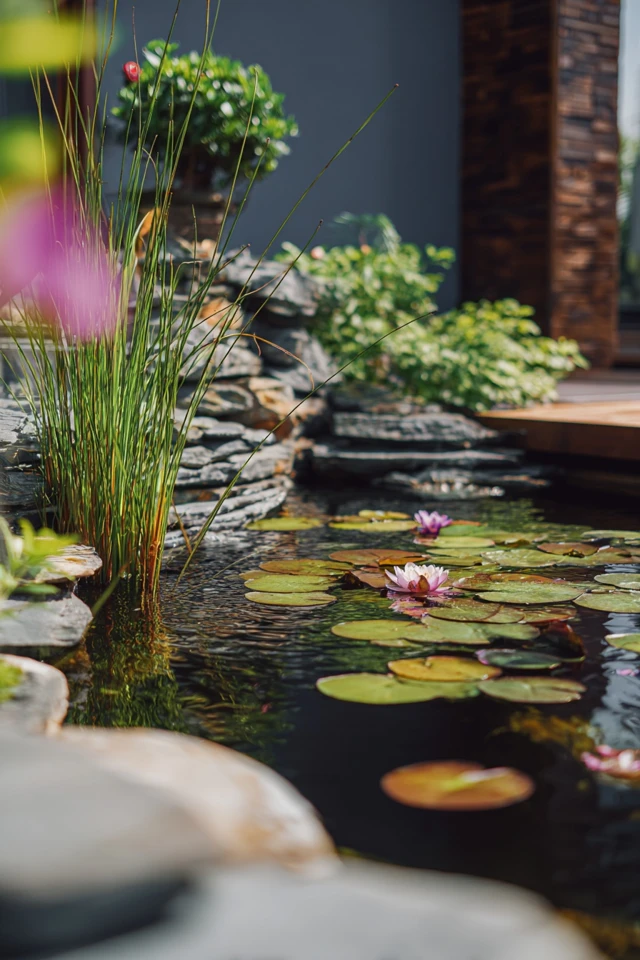
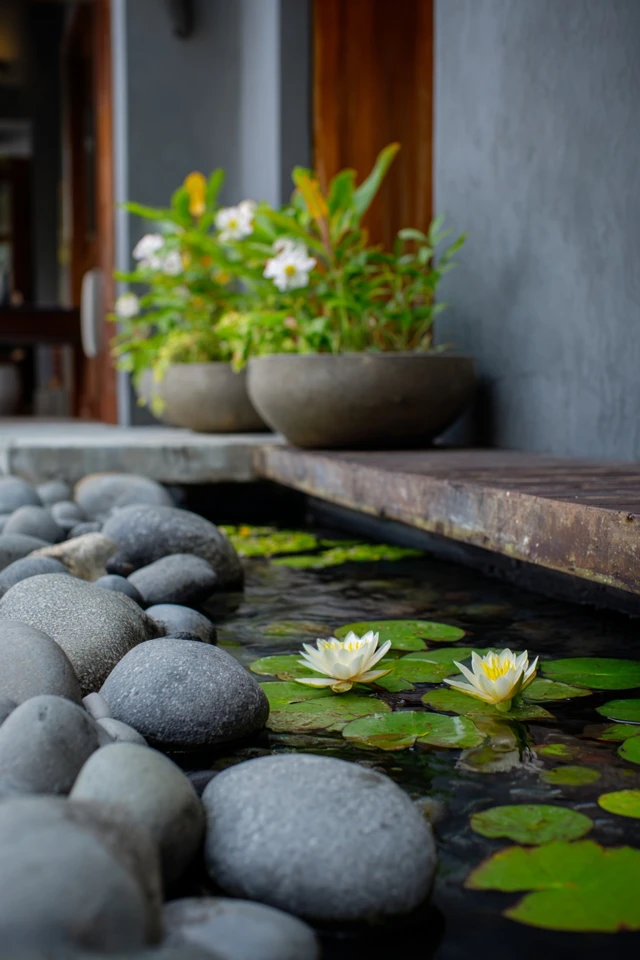
Plants shade the surface and use up nutrients that would otherwise feed algae. Aim to cover roughly half of the water surface with floating or marginal plants, such as water lilies, and use submerged oxygenating plants for the deeper areas. Choose species suited to your region, and avoid anything listed as invasive locally.
Around the pond, plant in groups. As Master Gardener Deb Christopher of Westmoreland County says in Penn State Extension's piece on native groundcovers: "If disease or pest problems arise, the entire monoculture planting may be killed. Instead, consider planting drifts or groups of single species, providing a patchwork-quilt effect." It works as well around a pond as it does on a slope.

How do you keep a pond clean and algae-free?
Algae thrives on sun and excess nutrients, so the fixes are shade, plants and restraint. Skim leaves before they sink and rot, avoid overfeeding fish, and keep fertilizer and lawn runoff out of the water. A small pump or fountain adds oxygen, and I recommend a pump with a filter if you keep fish.
Expect a green phase in the first weeks. It usually settles as plants establish. If you wire a pump outdoors, use a GFCI-protected outlet and hire a licensed electrician if you need a new one installed.
If you're planning the rest of the yard around the water, our Japanese backyard ideas show how stone, plants and water can work as one composition.

Frequently asked questions
What is the cheapest way to make a pond?
Dig a hole, line it with a flexible pond liner, and edge it with rocks you already have. A sealed half barrel or large tub is cheaper still and needs no digging.
How to make a homemade pond in your backyard?
Mark the shape, dig a deeper center with a plant shelf, level the rim, protect the hole with sand or underlay, then fit a liner and fill it. Hide the edges with stones and add plants.
Do I need a permit for a backyard pond?
It depends on your town, pond size and depth. Check with your local building department or HOA before digging, since some places regulate water features or require fencing.
Is a backyard pond safe for dogs?
Standing water can be a drowning risk for small dogs and attract wildlife, and some pond plants or algae can be harmful if eaten. Check with your vet about specific plants and consider fencing the area.
Filed under
ArticlesMeet the author
Written by an architect.
Julio Arco is a passionate architect with years of experience in architecture, interior design, urban design, and housing. He studied at prestigious universities across North America and Europe.

- Name
- Julio Arco
- Job
- Architect and online interior designer
- Studied
- Architecture, ITESM · Urban Design and Housing, McGill
- Partner
- Thor, Australian Shepherd
- Thor’s title
- Head of quality control