Art Studio Design Inspiration to Transform Your Space
Home art studio ideas for corners, closets and spare rooms: layout, lighting, furniture and storage tips, plus what to include in your studio.

By Julio Arco
Architect and online interior designer
In this post
- Where can you set up a home art studio?
- How do you plan an art studio design layout?
- What lighting does a studio need?
- What should be included in an art studio?
- Which furniture works best in a small studio?
- How do you organize an art studio at home?
- How do you set a studio up on a budget?
- Frequently asked questions
You don't need a spare room to have a home art studio. A corner with a window, a closet with the doors removed, or one end of a living room can all work, as long as you have a steady work surface, good light and storage within arm's reach.
This post covers where to put a studio, how to plan the layout, what to include and how to keep supplies organized. If you're still deciding, start with the light: it should drive the location.
Where can you set up a home art studio?
It's very common to think you need a dedicated room, but most of the setups people actually use are smaller. Pick the option that fits your space and how messy your medium is.
Take over a corner
A corner near a window is the easiest start. Put a table or easel against the wall, add a shelf above it and a rolling cart beside it. A rug under the chair and table marks the zone and protects the floor.
Divide a room
In an open living area, use a bookcase, a folding screen or the back of a sofa to separate the studio from the rest. This gives you a visual break, so you can walk away from work in progress without staring at it all evening.
Convert a closet
Remove the doors, fit a shelf at desk height and add a light above it. A closet gives you built-in walls for pinning work and shelves for supplies. It suits drawing, watercolor and small-scale crafts better than large canvases.
Turn a spare bedroom into a studio
A spare room lets you leave projects out and close the door. Choose a floor you don't mind splattering, or cover it with a canvas drop cloth or a hard mat. If you share the room with a guest bed, a wall bed or a daybed keeps both uses possible.
Use a shed or garage
Outbuildings give you space for sawdust, solvents and big work, but temperature swings are hard on paints, paper and glues. Check each product's label for storage temperature limits, and have a licensed electrician handle any new wiring.
How do you plan an art studio design layout?
Start with what you do most. A painter needs wall space and room to step back. A sewer needs a large table. A printmaker needs a surface that can take pressure and a place to dry sheets.
- Keep a walkway of about 30-36 inches wherever you move around furniture.
- Set the work surface so the light comes from the side, opposite your drawing hand, to avoid casting shadows on the page.
- Place the things you use every session within reach while seated.
- Keep wet work, drying space and storage in a line, so you aren't carrying dripping canvases across the room.
If you have a dog or cat, plan for it too. Keep solvents, pigments and small tools on high shelves or in closed cabinets, and check with your vet about any material your pet might get into. Provide a bed outside the splash zone so your studio buddy stays close but clean.
What lighting does a studio need?
Natural light is best, but it changes through the day, so plan on a lamp as well. LEDs are a practical choice: the U.S. Department of Energy says good-quality white LED products are expected to last 30,000 to 50,000 hours or even longer, so you won't be changing bulbs often.
For color work, pay attention to the light's color temperature. The Department of Energy notes that correlated color temperature is one of the primary metrics used to characterize the visual appearance of light. In practice, that means checking the Kelvin rating on the package: cooler, daylight-style bulbs show color more truthfully, while warm ones tint everything yellow. As an architect, I recommend a daylight-style lamp on an adjustable arm over the work surface, and a warmer ambient light for the rest of the room.
Light also affects your sleep. The Department of Energy puts it plainly: "Light plays a key role in setting and regulating the body's biological clock." If you paint at night, dim the bright task light when you finish.
What should be included in an art studio?
The list depends on your medium, but most studios share the same basics:
- A sturdy work surface at the right height for sitting or standing
- A comfortable adjustable chair or stool
- Task lighting plus general lighting
- Storage for materials, tools and finished work
- A wipeable or protected floor
- A pin-up wall or board for reference and work in progress
- Ventilation, especially for oil paints, solvents and sprays
- A sink or water source nearby, or a bucket station if there isn't one
Which furniture works best in a small studio?
For home art studio ideas for small spaces, choose furniture that folds, rolls or stacks. A fold-down wall table gives you a work surface only when you need it. A rolling cart holds supplies and tucks beside the table. Wall-mounted shelves and pegboards use vertical space and keep the floor clear.
For home art studio furniture in general, a table with a hard, wipeable top is easier to live with than a fragile finish. A drafting table with an adjustable tilt helps for drawing, while a plain flat table is better for mixed media. Stools with a footrest are easier on your back than a regular dining chair. If your studio shares a room with a sofa, washable slipcovers are worth it, especially with pets.
How do you organize an art studio at home?
Sort supplies by how often you use them. Daily tools go in jars, trays or a cart within reach. Occasional materials go on shelves or in labeled bins. Rarely used items can go up high or in another room.
- Use clear containers or labels so you can find things without opening every box.
- Store paper flat in a shallow drawer or a portfolio, and keep it away from damp walls.
- Group by task, such as all watercolor items together, not by item type.
- Keep paints and solvents in a closed cabinet, away from heat.
- Once or twice a year, go through supplies and toss dried-out tubes and unusable brushes.
Heat matters for storage. A university extension fact sheet on pantry storage warns against keeping canned goods above 95 degrees F, such as in a storage shed or garage. That advice is about food, but it's a reminder that sheds and garages get hot. Check the label on your own paints and adhesives.
How do you set a studio up on a budget?
For home art studio ideas on a budget, spend first on light and a comfortable chair, then improvise the rest. A hollow-core door on two filing cabinets makes a big desk. A shower curtain or drop cloth protects the floor. Secondhand shelving, kitchen carts and jars work as storage. You'll find more low-cost projects in these affordable art studio design ideas.
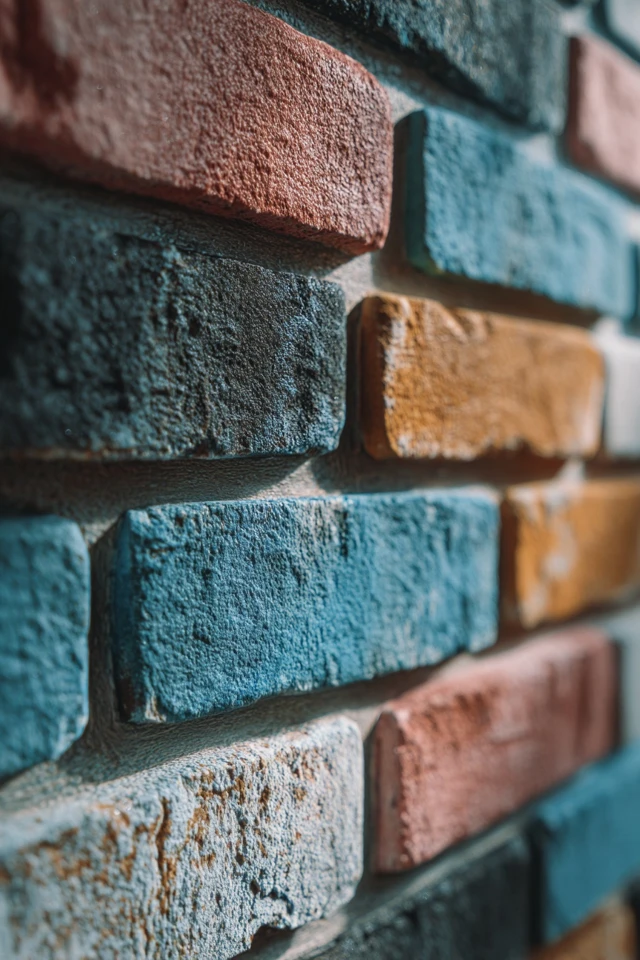
For finishing touches, these home art studio setup tips cover a cozier look, and this room drawing post helps if you want to sketch the layout before you move anything. A cork or pinboard wall can also go on a plain surface, and brick wall ideas show how texture can carry a studio wall.
As an architect, I'd start with a sketch of the floor plan on paper, mark the window and outlets, and test the arrangement with masking tape on the floor before buying anything. One weekend with tape and a tape measure will tell you more than any mood board.
Frequently asked questions
How can I create an art studio at home?
Choose a spot with good light, add a sturdy work surface and a comfortable chair, then build storage within arm's reach. Start small with a corner, and expand once you know how you work.
What are some good ideas for a home studio?
Corners, closets with the doors removed, a divided section of a living room, a spare bedroom or a shed all work. Fold-down tables and rolling carts help in tight spaces.
What should be included in an art studio?
A work surface, a comfortable chair, task lighting, storage, a protected floor, a pin-up wall and ventilation. Add a water source if your medium needs it.
Filed under
ArticlesMeet the author
Written by an architect.
Julio Arco is a passionate architect with years of experience in architecture, interior design, urban design, and housing. He studied at prestigious universities across North America and Europe.

- Name
- Julio Arco
- Job
- Architect and online interior designer
- Studied
- Architecture, ITESM · Urban Design and Housing, McGill
- Partner
- Thor, Australian Shepherd
- Thor’s title
- Head of quality control