Victorian Living Room Ideas: Colours, Furniture, Layout

By Julio Arco
Architect and online interior designer
In this post
- What does a Victorian living room look like?
- Which colours suit a Victorian living room?
- Which Victorian living room furniture should you pick?
- Statement lighting, mirrors and focal points
- Victorian living room layout ideas
- Small Victorian living room ideas
- Modern Victorian living room ideas
- Frequently asked questions
A Victorian living room is layered, warm and a little theatrical: deep colours, ornate mirrors, plush upholstery, patterned textiles and lots of lamplight. You don't need a period house to get the look. Pick a rich wall colour, add one or two carved or curvy furniture pieces, light the room from several heights, and let a few well-chosen objects do the decorating.
Below you'll find the colours, furniture, lighting and layout moves that make the style work, plus how to scale it down for a small room or blend it with modern pieces.
What does a Victorian living room look like?
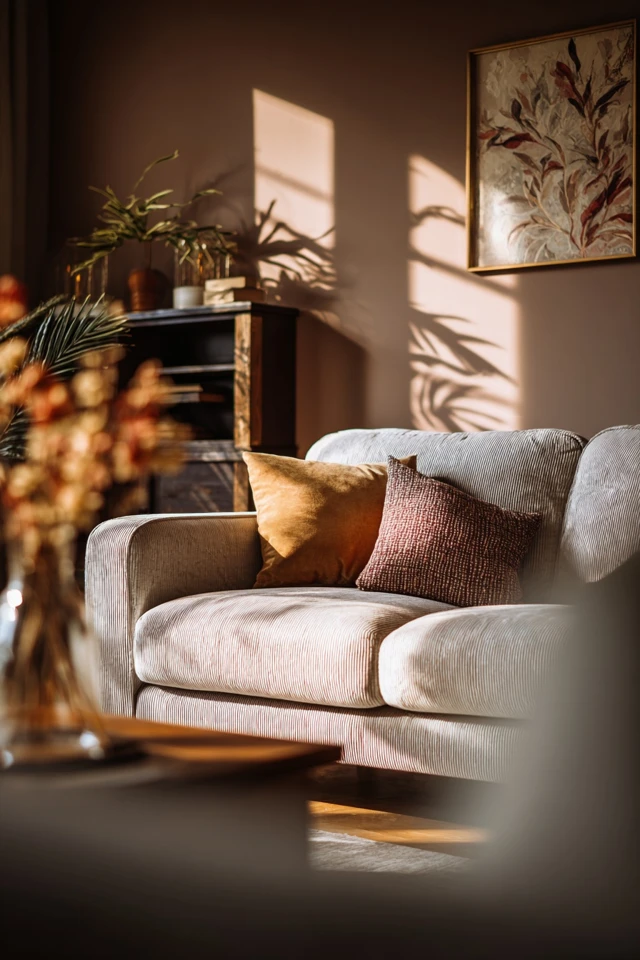
Picture a room that is full on purpose. Walls are often dark or saturated. Windows wear heavy drapes. Seating is deep and upholstered, tables are turned or carved, and every surface holds something: framed art, a clock, a vase. Ceilings and walls get decoration too, such as cornices, picture rails and plaster ceiling roses.
The era overlaps with several architectural styles. In the US, the Italianate style was most prevalent between the 1850s and the 1880s, and its low, overhanging roofs with decorative eave brackets set the tone for ornament-heavy houses. Earlier, the Greek Revival style was inspired by the classical Greek temple and left a taste for columns and crisp mouldings. If your home has any of these details, lean into them.
Which colours suit a Victorian living room?
Think deep and a bit moody. These Victorian living room colour ideas are easy to live with:
- Bottle green or forest green with warm wood and brass
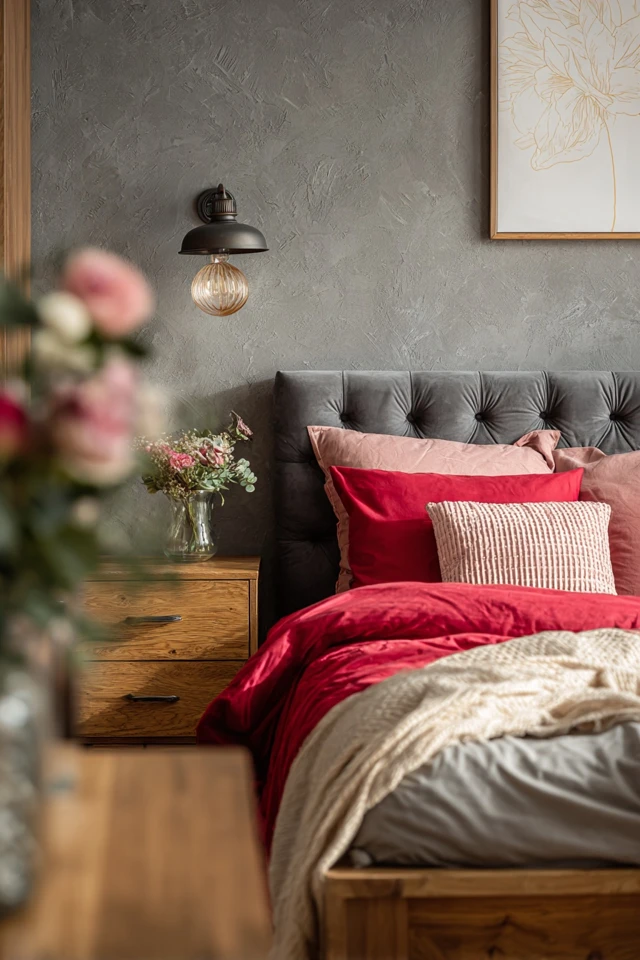
- Burgundy or oxblood red with cream trim
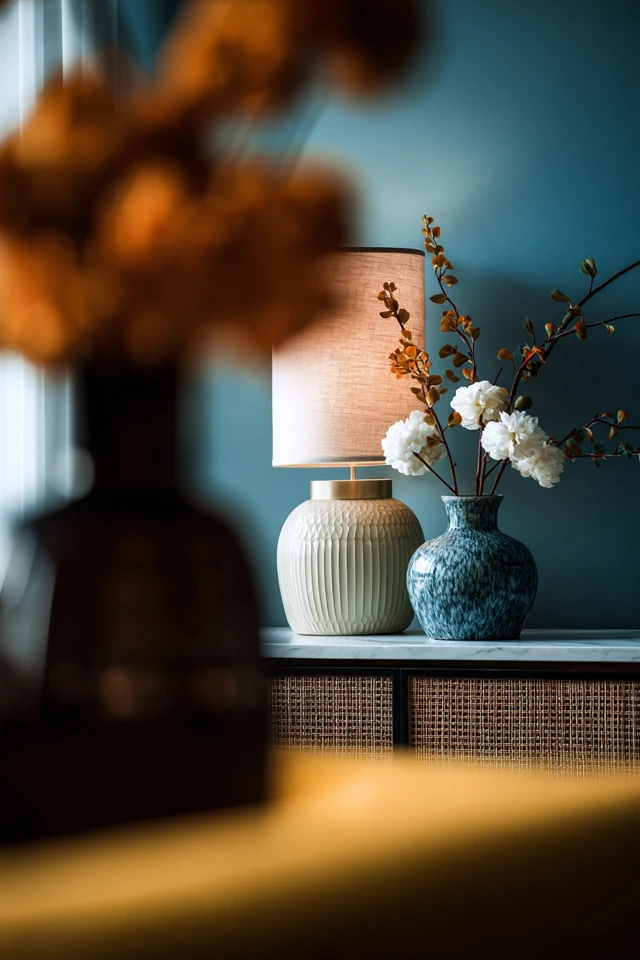
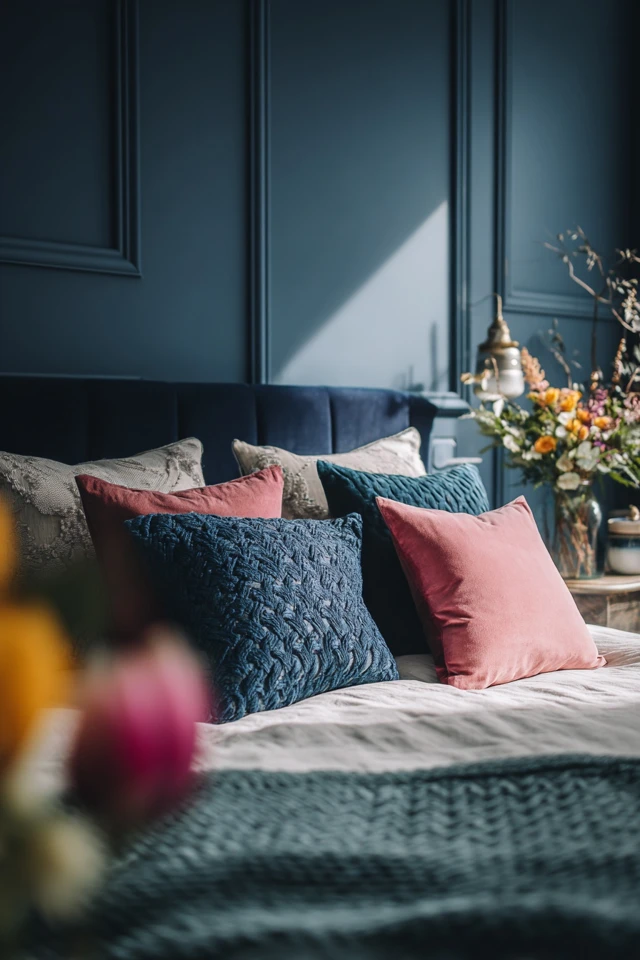
- Deep navy or ink blue with gold-toned frames
- Aubergine or plum paired with soft grey
- Warm ivory or stone walls if you want the shapes to do the talking
Dark paint absorbs light, so it softens shadows and makes a room feel enclosed and cosy. That suits an evening room. If your living room is dim during the day, paint the walls and ceiling the same deep shade, or keep the ceiling pale and pick a mid-tone for the walls.
Choose a scrubbable finish if a dog shares the sofa. Muddy paws and shoulder-high nose smudges are easier to wipe off an eggshell or satin finish than flat paint.
Which Victorian living room furniture should you pick?
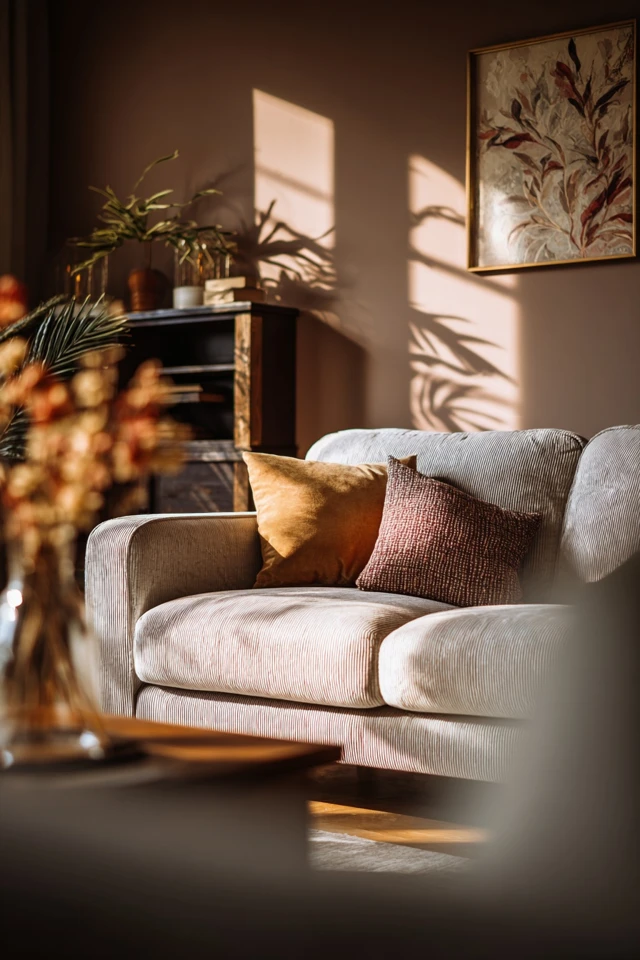
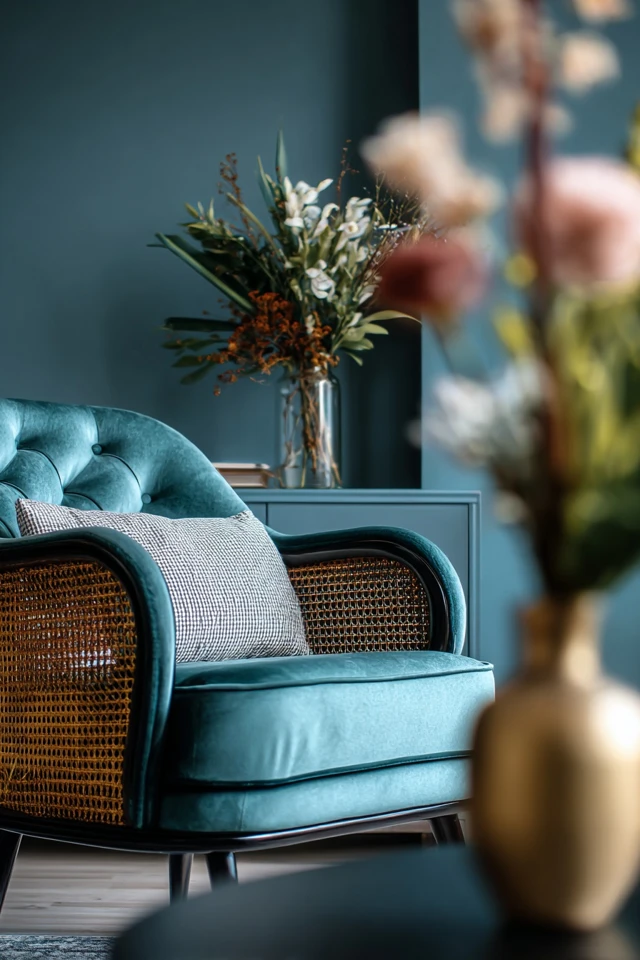
Start with the seating. A deep sofa or a button-tufted chesterfield gives the room its anchor, and a pair of armchairs or a chaise adds the period silhouette. Add one carved or turned piece, such as a side table, a cabinet or a console, then stop. A few strong pieces read as Victorian; a roomful of them reads as a museum.
For fabric, velvet and heavy woven textures are the classic choices. As an architect, I recommend performance velvet or a tight weave for any sofa a pet is allowed on, because loose weaves snag on claws. Removable, washable cushion covers help too.
Wood tones matter more than the exact style. Mahogany, walnut and dark oak look right. If you buy secondhand, check joints and upholstery condition before falling for the carving.
Statement lighting, mirrors and focal points
The fireplace is the traditional focal point, usually with a mantel and a large mirror above it. No fireplace? Use a big framed mirror or a gallery wall in mixed frames to play the same role.
Light the room from several heights. A chandelier or pendant covers the ceiling, table lamps with fabric shades give pools of warm light at eye level, and a floor lamp next to the reading chair handles tasks. Dimmers are a cheap upgrade that lets the same room feel bright at noon and intimate at night.
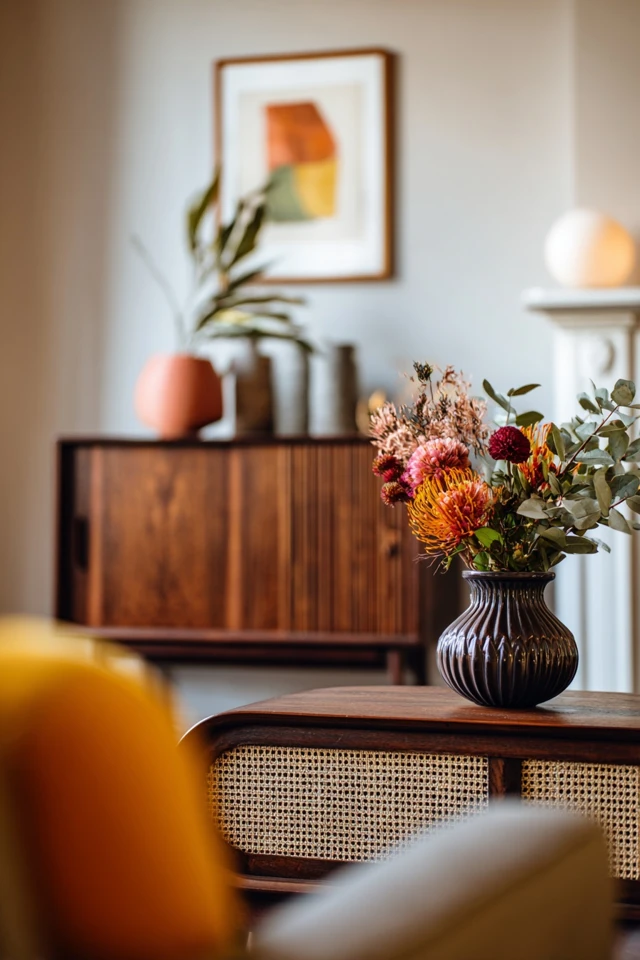
Gold, brass and bronze finishes suit this style. Repeat one metal across frames, lamp bases and hardware so the decoration feels collected, not scattered.
Victorian living room layout ideas
Victorian rooms were built for conversation, so arrange seating to face each other, not only the TV. A few rules help:
- Center the seating group on the fireplace or the largest window.
- Put a large rug under the group, with at least the front legs of every seat on it.
- Leave about 30-36 inches for main walkways.
- Place a table within arm's reach of every seat.
- Hide the TV in a cabinet or hang it among framed art if you'd rather it didn't dominate.
If the TV is a priority, our guide to living rooms with a TV covers placement in more detail.
Small Victorian living room ideas
Small rooms can handle the style if you control the scale. Pick one large piece of furniture, not several mid-sized ones. Choose a loveseat in place of a full sofa, and swap a bulky coffee table for a pair of nesting tables. Mirrors opposite a window double the daylight.
Dark walls can work in a small room, since they blur the corners. Keep the ceiling and trim lighter to avoid a cave effect. Our apartment living room ideas have more layouts for tight footprints, and if period details are missing, adding molding is the quickest way to give plain walls some character.
Modern Victorian living room ideas
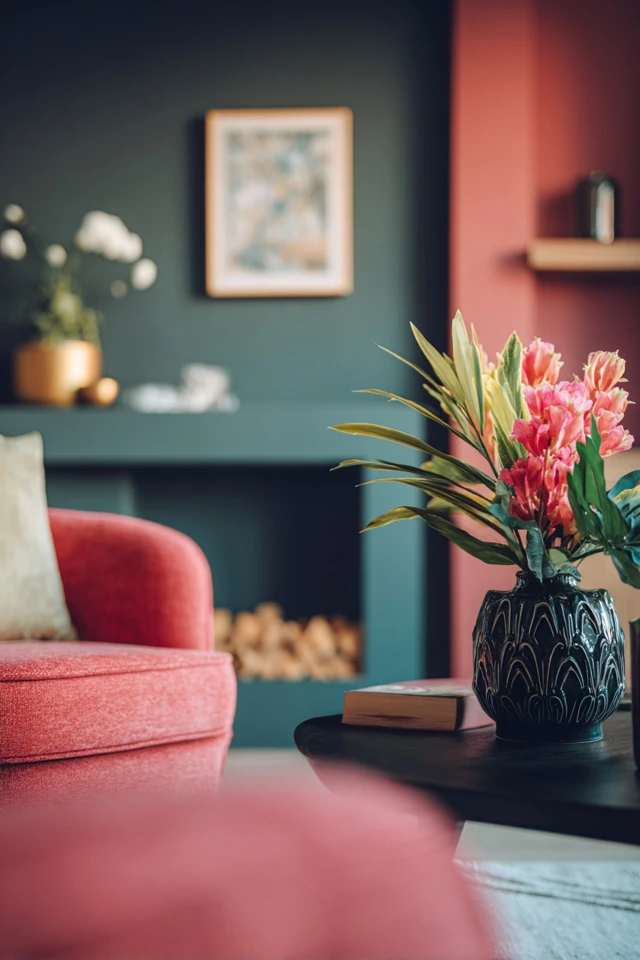
Mixing eras keeps the room from feeling like a costume. Keep the Victorian bones (rich wall colour, a mirror, a carved piece) and add clean-lined modern items: a simple sofa, a slim metal floor lamp, abstract art in an ornate frame. Simplify the textiles by using solids with one pattern, such as a striped or floral cushion, instead of stacking patterns.
I'd keep the number of ornate pieces to about a third of the room's furniture. The rest can be plain, which gives the eye a place to rest.
If you like the drama but want a darker, more sculptural mood, take a look at gothic room ideas, and for a more formal sitting room, see drawing room ideas.
Frequently asked questions
What are some good ideas for a Victorian living room layout?
Arrange seating in a conversation group around the fireplace or a large window, anchor it with a big rug, and leave about 30-36 inches for walkways. Add a side table within reach of each seat.
What are the best colors to paint a Victorian living room?
Deep green, burgundy, navy and plum are the classics, usually paired with cream trim and brass or gold accents. Warm ivory works if you want a lighter room.
What is the 3-5-7 rule in decorating?
It is a styling guideline that groups decorative objects in odd numbers, such as three, five or seven, because uneven groupings look more natural than pairs. It is a rule of thumb, not a requirement.
Can a Victorian living room work in a rental?
Yes. Use removable wallpaper or peel-and-stick molding, plug-in lamps, a large mirror, and a rug and curtains in deep colours. Check your lease before painting.
Filed under
ArticlesMeet the author
Written by an architect.
Julio Arco is a passionate architect with years of experience in architecture, interior design, urban design, and housing. He studied at prestigious universities across North America and Europe.

- Name
- Julio Arco
- Job
- Architect and online interior designer
- Studied
- Architecture, ITESM · Urban Design and Housing, McGill
- Partner
- Thor, Australian Shepherd
- Thor’s title
- Head of quality control