Indoor Atrium Design Ideas for Every Size of Home

By Julio Arco
Architect and online interior designer
In this post
- What are the different types of atriums?
- What is the difference between an atrium and a courtyard?
- How do you decorate an atrium?
- Small indoor atrium design ideas
- Modern atrium styling
- Which plants work in an atrium?
- Indoor atrium design ideas on a budget
- Layout and zoning in larger atriums
- Frequently asked questions
An indoor atrium is a roofed, light-filled open space inside the house, usually glazed overhead and often planted. The best indoor atrium design ideas start with three decisions: where the daylight lands, how people walk through the space, and which plants can survive in that light.
You don't need a double-height void to get this. A small atrium in a house can be a few square yards with a skylight, a bench and one good plant, and it will still change how the surrounding rooms feel.
What are the different types of atriums?
Most home atriums fall into a few layouts:
- Central atrium: a void in the middle of the plan, with rooms wrapped around it and often a skylight above.
- Side or light-well atrium: a narrow slot along one wall, common in townhouses and deep, narrow lots.
- Double-height atrium: open across two floors, which adds drama and lets light reach the lower level.
- Entry atrium: a glazed foyer that works as a greenhouse-like transition.
Pick by what your plan allows. A central atrium shares light with the most rooms, while a slot suits a tight footprint.
What is the difference between an atrium and a courtyard?
An atrium is covered, usually with glass, so it is part of the interior climate. A courtyard is open to the sky and counts as outdoor space, even when walls surround it on all sides. That affects everything else: furniture, plants and finishes in a courtyard must handle rain, frost and sun, while an atrium can use gentler materials. If your space has a roof, treat it as a room. If not, treat it as a garden.
How do you decorate an atrium?
Start with function. Is it a quiet reading corner, a breakfast spot, a plant room or mostly a passage? Then build in this order.
- Fix the circulation. Keep a clear route of about 3 feet where people actually walk.
- Place seating facing the best view or the brightest light, and keep it low so sightlines stay open.
- Add planting at different heights: floor planters, a tall specimen, something trailing.
- Layer lighting: daylight by day, then wall washers or uplights and a dimmable lamp for evening.
- Finish with one or two accessories at a larger scale instead of many mid-size ones.
As an architect, I'd repeat two or three materials across the room (say wood, stone and one metal finish). It makes an atrium feel planned even when furniture comes from different places.
Small indoor atrium design ideas
Small atriums reward restraint. Tall furniture chops up the volume, so choose a narrow bench and let plants supply the height. Light, reflective wall finishes bounce daylight deeper into the space, while matte floors keep glare down.
- Use a vertical planting wall or wall-mounted planters to save floor area.
- Choose glass partitions or open railings between the atrium and adjoining rooms so light travels.
- Limit the palette to a neutral base and one accent color repeated in pots and cushions.
- Keep the center free. An empty floor reads as space.
Modern atrium styling: materials, color and light
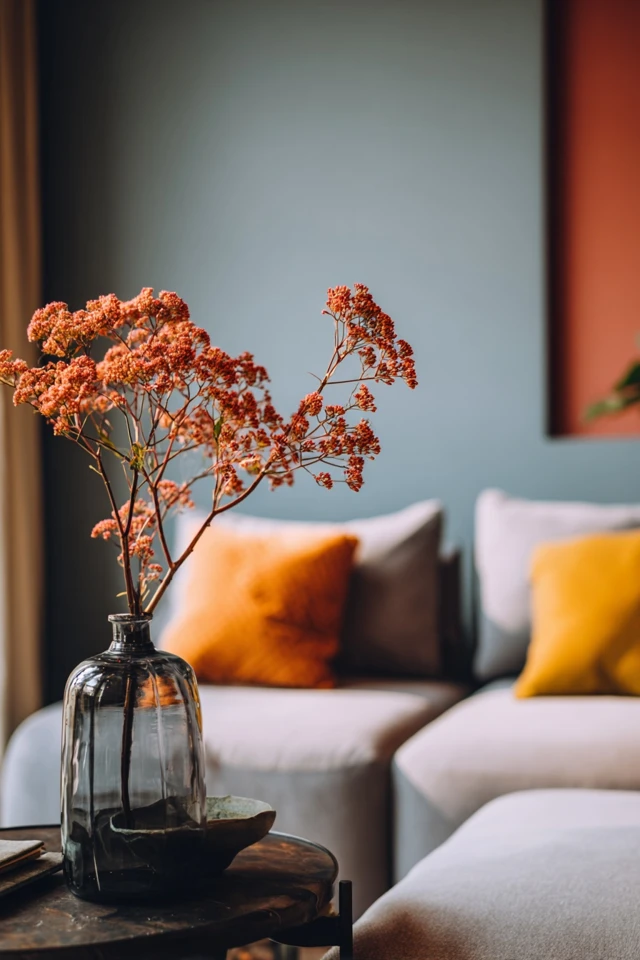
A modern look comes from simple lines and honest materials. Polished or honed concrete, limestone, oak or teak, and brushed brass or matte black metal all pair well with greenery. Combine one smooth surface with one rough one, such as a concrete floor with a rough-sawn wood bench, so the room doesn't feel flat.
Color behaves differently under skylights because daylight shifts through the day. Warm tones like terracotta and ochre feel social, while sage, slate and soft blue feel calmer. Test paint and fabric samples in the atrium at morning, midday and evening before you commit.

If your atrium opens onto rooms with a strong theme, you can borrow from them. A tropical bedroom next door suits big-leaf planting, and exposed brick gives a textured backdrop that plants stand out against.
Which plants work in an atrium?
Light decides everything. Extension guidance from Iowa State notes that most houseplants grow and look their best in bright, indirect light, and that areas more than a few feet from even a bright window are often too dim to grow them well. A skylight overhead helps, but check the spots at floor level before you buy.
Snake plant, ZZ plant, rubber plant and pothos tolerate a range of conditions. Larger palms and figs suit tall, bright atriums. Too little light causes faded leaves and stunted growth, and too much can burn them, as the University of Wisconsin horticulture extension explains, so watch the plants for a few weeks and move them if needed.
Watering is the other big risk. When you water, soak the soil until water runs out of the drainage holes, then let it drain. Planters with removable trays make this easy on a hard floor.
Pets: several common atrium plants are toxic to cats and dogs. Check each species with your vet or a pet-toxicity list before bringing it home, and place anything doubtful out of reach.

Indoor atrium design ideas on a budget
- Spend on what you can't change easily: glazing, flooring and drainage. Skip pricey accessories.
- Buy small plants and let them grow, instead of mature specimens.
- Use plain terracotta or concrete pots in a matching set; they look intentional and cost little.
- Define zones with an outdoor-rated rug rather than building level changes.
- Swap cushions and pots by season for a fresh look at low cost.
Terrariums are a cheap way to add green when floor space is tight; see these terrarium ideas.
Layout and zoning in larger atriums
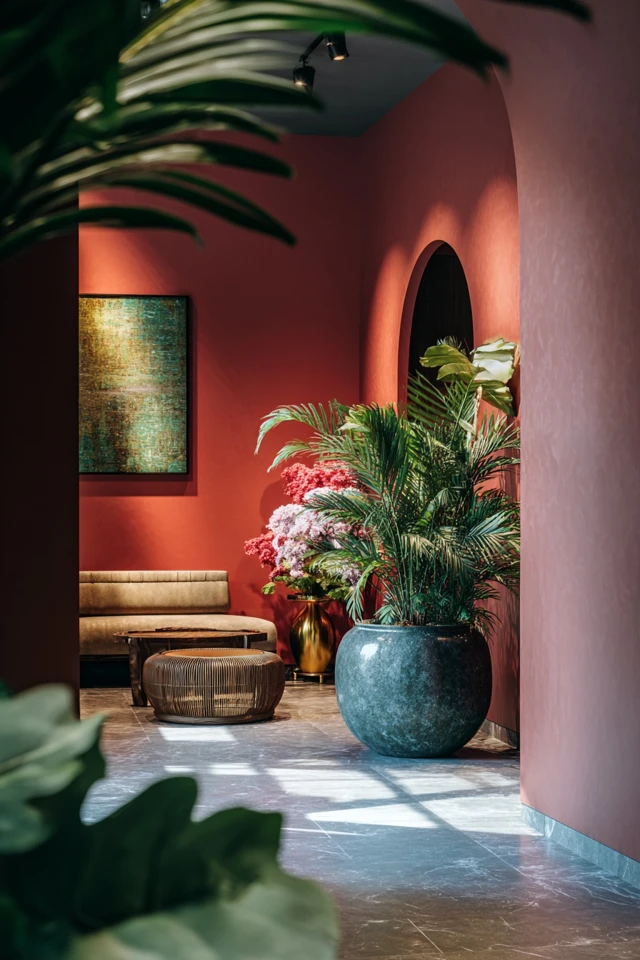
In a big volume, break the floor into human-scale pockets. A rug, a planter island or a built-in bench can each mark a zone without a wall. Use the same floor material throughout so the zones still read as one room. For maintenance, plan access to every planter and a floor drain or easy mopping surface near watering areas. For complex glazing, structural changes or irrigation, bring in a licensed professional.
Frequently asked questions
What's the difference between an atrium and a courtyard?
An atrium is roofed, usually with glass, and is part of the interior. A courtyard is open to the sky and is outdoor space.
How can I make a small atrium feel larger?
Keep furniture low, use light reflective surfaces, grow plants vertically and leave the center of the floor clear. A limited palette also reduces visual clutter.
What paint colors work best in an atrium?
Soft neutrals or muted greens suit most plants and light. Test samples at different times of day, since daylight changes how color reads.
Can you show me a house with an atrium in the middle?
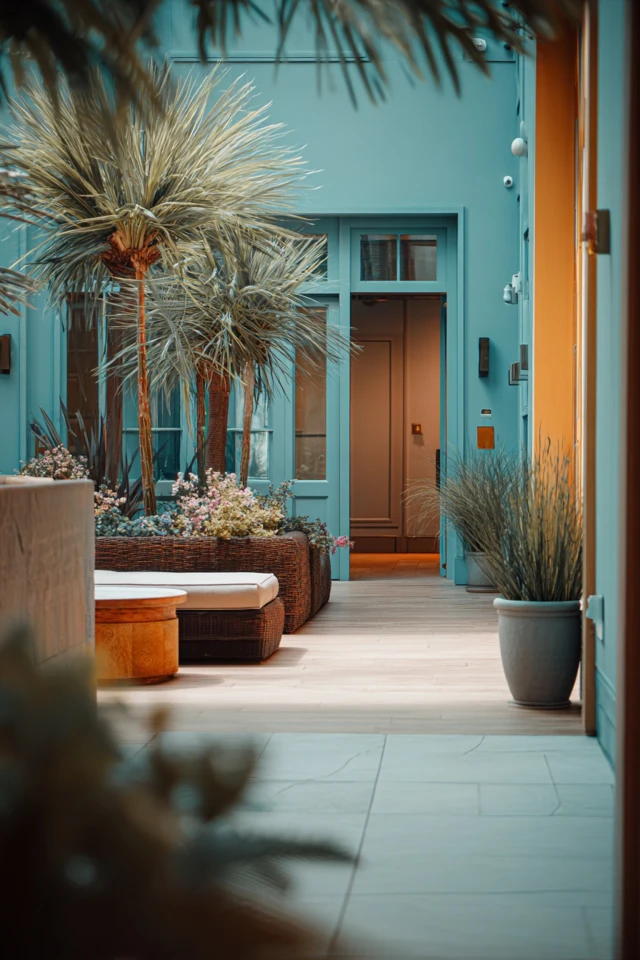
A central atrium has rooms arranged around a glazed void, often with a skylight and planting at the center. The photos in this post show the idea in several sizes.
Filed under
ArticlesMeet the author
Written by an architect.
Julio Arco is a passionate architect with years of experience in architecture, interior design, urban design, and housing. He studied at prestigious universities across North America and Europe.

- Name
- Julio Arco
- Job
- Architect and online interior designer
- Studied
- Architecture, ITESM · Urban Design and Housing, McGill
- Partner
- Thor, Australian Shepherd
- Thor’s title
- Head of quality control