Small Home Theater Ideas for a Cozy Basement Room

By Julio Arco
Architect and online interior designer
In this post
- How do you choose the best space for a small theater?
- What is a good small theater room layout?
- Should you use a projector or a TV?
- Which colors and finishes work in a dark room?
- How do you set up lighting for a cinematic mood?
- How do you improve sound in a small theater?
- Small home theater ideas on a budget
- Storage and finishing touches
- Frequently asked questions
A good small home theater comes down to five things: a dark room, a screen sized to your seating distance, seating that fits the space, soft surfaces that tame echo, and lighting you can dim. Get those right and a basement corner feels like a cinema, even if it's modest.
It's very common to start with an awkward, low-ceilinged basement room, so don't feel bad if yours isn't ideal. Basements are actually good candidates: they're already dark and quiet.
How do you choose the best space for a small theater?
Pick the room or corner that gets the least daylight and has one long, uninterrupted wall for the screen. Basements usually offer this. A room with a window can work too if you add blackout curtains or roller shades.
Think about where noise travels. A room under a living area will carry sound upward, so rugs and soft furnishings matter more there. If the room has a laundry or utility area next door, put the screen wall away from it.
What is a good small theater room layout?
Put the screen on the longest wall and the seating facing it, centered. Leave room to walk behind or beside the seats, roughly 30 inches if you can, so nobody has to climb over the sofa during the movie.
For viewing distance, a common rule of thumb is about 1.5 to 3 times the screen's height, depending on how immersive you want it. Mark the seating position on the floor with painter's tape and sit there before you buy anything. A tape measure saves a lot of returns.
Small-space adjustments
- Choose a loveseat or a compact sectional instead of a bulky sofa.
- Mount the TV or use a projector to free floor space.
- Use a storage ottoman and a slim media console, so remotes and games have a home.
If you're also planning the ceiling, recessed ceiling ideas pair well with a basement theater, since low ceilings leave little room for hanging fixtures.
Should you use a projector or a TV?
In a dark basement, a projector gives you the biggest picture for the least money and no furniture footprint. A TV is brighter and sharper if the room keeps some ambient light. As an architect, I'd decide by light control first: if you can get the room truly dark, a projector is hard to beat; if not, buy the TV.
Ceiling height matters for projectors. Check the throw distance in the manual before drilling anything.
Which colors and finishes work in a dark room?
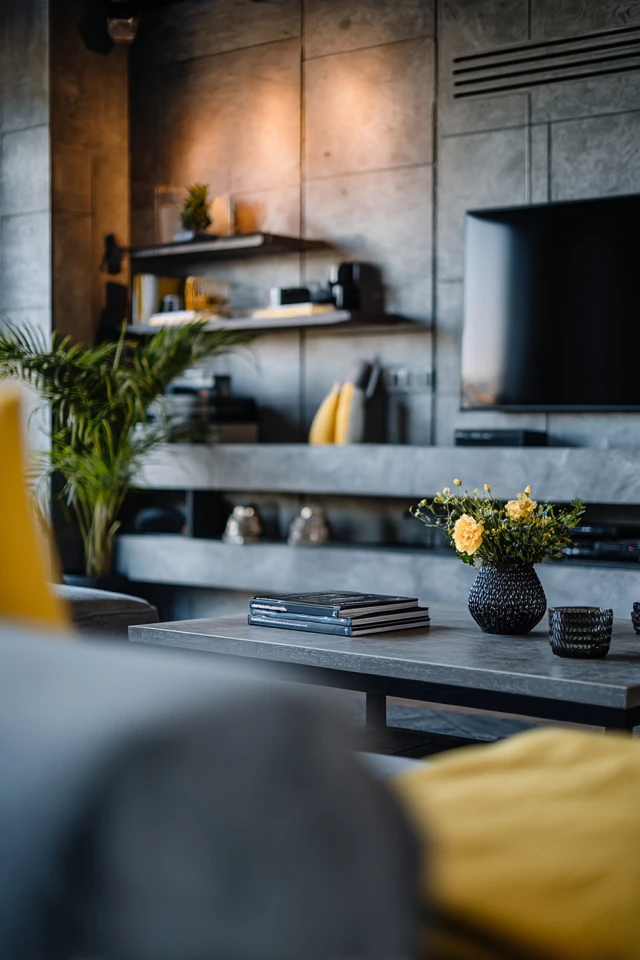
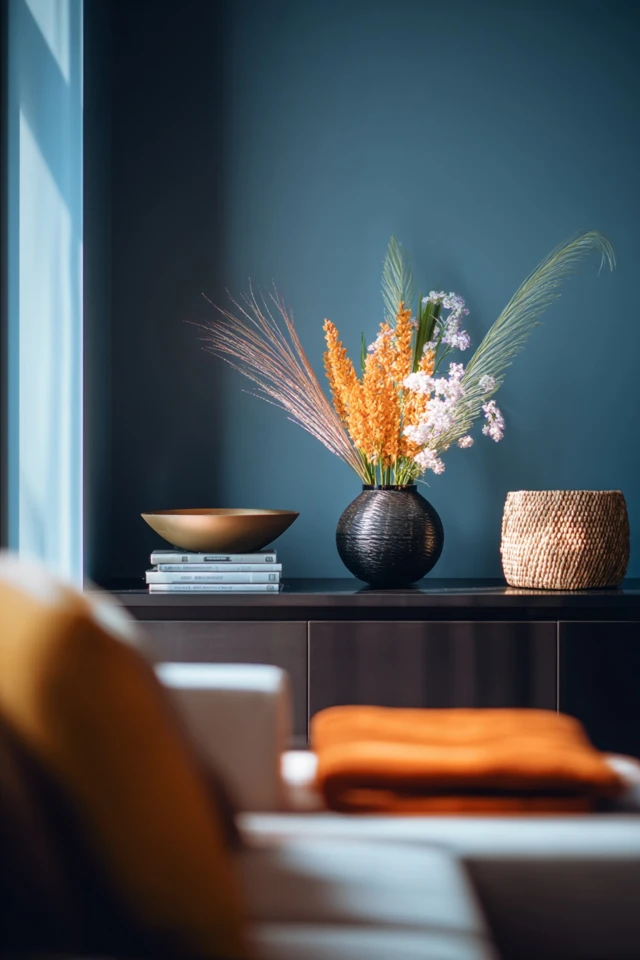
Darker walls reduce reflected light and glare, so the screen stays the brightest thing in the room. Charcoal, deep navy and warm espresso are all good choices. A matte finish is better than a glossy one: gloss bounces light back at you, matte absorbs it.
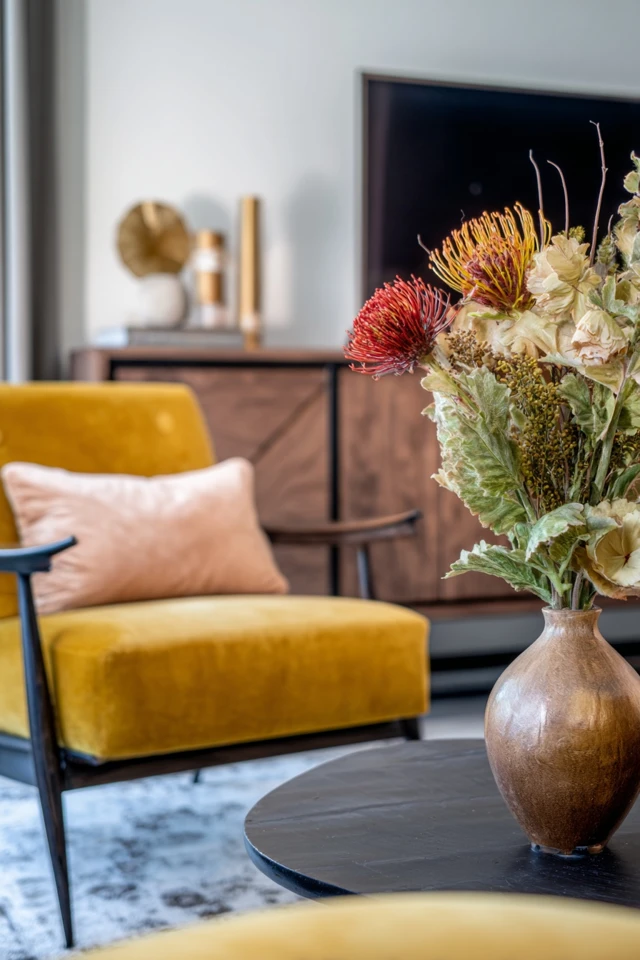
To keep a dark room from feeling like a cave, add warm neutrals in the rug, throws and wood furniture. Keep patterns small and put them on pillows rather than big surfaces.
How do you set up lighting for a cinematic mood?
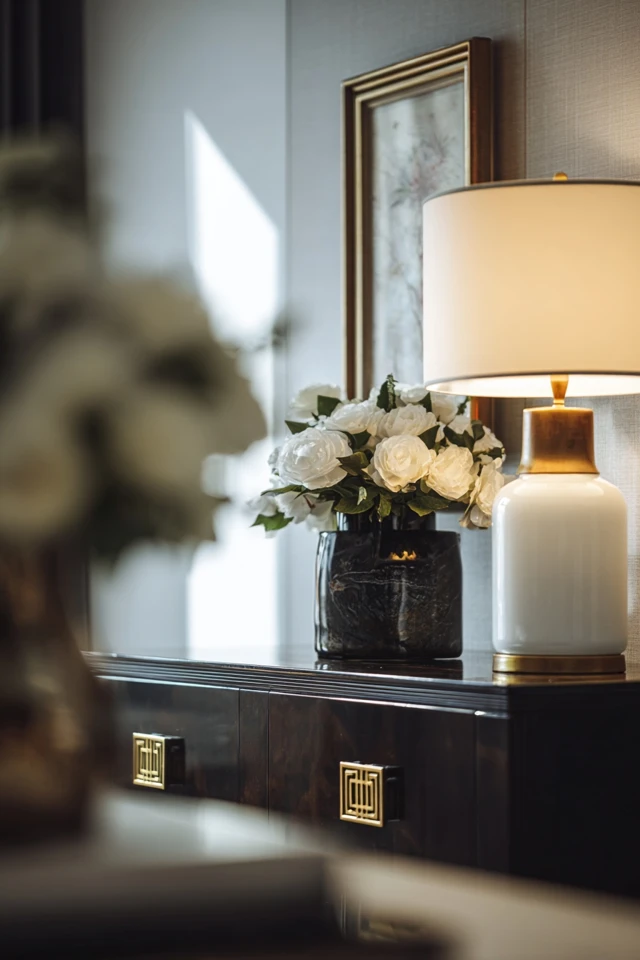
Use layers on dimmers: soft ambient light for arriving and snacks, a little wall or sconce light at mid height, and low LED strips along the floor for safe walking when the film is on. Warm white bulbs, around 2700-3000K, feel cozy. The Department of Energy explains that correlated color temperature is one of the primary metrics used to describe the visual appearance of light, which is why that number on the bulb box is worth reading.
LEDs suit a theater well. Per the Department of Energy, good-quality white LED products are expected to last 30,000 to 50,000 hours or even longer, so you won't be changing bulbs in a dark ceiling often.
Dim the lights in the evening on purpose. The Department of Energy notes that "Light plays a key role in setting and regulating the body's biological clock." A dim, warm room before bed is a sensible default for a movie night.
How do you improve sound in a small theater?
Hard, bare surfaces create echo. Soft ones absorb it. A thick rug, heavy curtains, upholstered seating and a bookcase filled with uneven items all help. If you want more, DIY panels (a wood frame, mineral wool and fabric) cost far less than ready-made ones and can double as wall art.
For speakers, keep them out of tight corners, which exaggerates bass. Aim front speakers toward the seating position at about ear height. A soundbar is a fine starting point in a small room.
Small home theater ideas on a budget
You can build a decent mini theater without buying a full system. Start where the payoff is biggest:
- Block the light. Blackout curtains or shades cost little and improve picture quality immediately.
- Add a large rug and curtains to cut echo.
- Paint the screen wall a deep matte color.
- Buy a soundbar or a basic speaker set before upgrading the screen.
- Swap in dimmable warm bulbs or plug-in LED strips.
For a DIY touch, build your own acoustic panels or a simple media shelf. If you're getting into projectors, a plain painted wall works as a screen to begin with.
If the basement doubles as a guest space, our chic bedroom ideas and a inflatable couch are options for flexible seating.
Storage and finishing touches
Hide cables and gear. Built-in cabinets or a closed sideboard keep the room calm. A few framed film posters or a shelf for favorite DVDs gives it personality without clutter.
Plants are optional in a low-light basement. Snake plants and ZZ plants tolerate dim rooms, but if you have a dog or cat, check with your vet or the ASPCA's plant list before bringing one home, since some common houseplants are toxic to pets. Washable covers on the sofa are my recommendation for any theater where a dog is allowed to join movie night.
When you're ready to tackle the walls, ceiling design ideas can finish the room, and a TV wall layout may help you plan the screen wall.
Frequently asked questions
What is the best home theater setup for a small room?
A projector or mid-size TV on the longest wall, a loveseat or small sectional centered on it, a soundbar or compact speaker set, and blackout curtains. Add a rug and dimmable warm lighting.
How to make a cheap home theater?
Spend first on light control, a rug and curtains, and a soundbar. Paint the screen wall a deep matte color and use warm dimmable bulbs. Upgrade the screen later.
How can I make a small basement theater feel larger?
Use a restrained palette with lighter accents, low-profile seating that keeps sight lines open, and layered lighting. Multipurpose furniture instead of bulky pieces also helps.
What paint color should I choose for a home theater?
A desaturated, mid-to-deep matte shade such as charcoal, navy or warm brown on the screen wall. Matte finishes reduce glare and help the screen stand out.
Filed under
ArticlesMeet the author
Written by an architect.
Julio Arco is a passionate architect with years of experience in architecture, interior design, urban design, and housing. He studied at prestigious universities across North America and Europe.

- Name
- Julio Arco
- Job
- Architect and online interior designer
- Studied
- Architecture, ITESM · Urban Design and Housing, McGill
- Partner
- Thor, Australian Shepherd
- Thor’s title
- Head of quality control