Game Room Ideas: Layout, Lighting and Seating That Last
Game room ideas for adults and gamers: how to zone the room, pick seating, light screens, hide cables and fit a small space or budget.

By Julio Arco
Architect and online interior designer
In this post
A good game room has three things: comfortable seating aimed at a screen or table, lighting you can adjust, and storage that swallows controllers and cables. Get those right and the style (arcade, modern, quiet and neutral) is easy to layer on top.
It's very common to start with a leftover room, like a basement or a spare bedroom, so don't worry if yours isn't ideal. These game room ideas work in most of them.
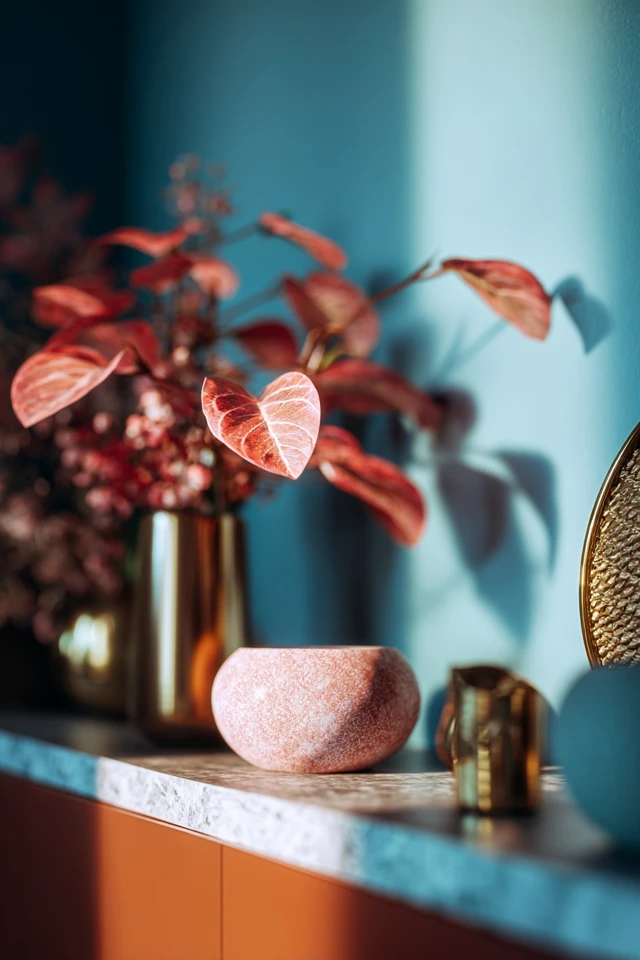
How do you design a game room?
Start with what people will actually do there. Console and movie nights need a sofa and a screen. Board games need a table and chairs with decent lighting overhead. A PC setup needs a desk and a good chair. Most rooms need two of these, rarely all three.
Then measure. Sketch the room on paper, mark doors, windows and outlets, and place the biggest piece first, usually the sofa or the table. Leave about 30-36 inches for the main walkway and about 18 inches between a sofa and a coffee table.
Zone the room with furniture, not walls
A rug, a lighting cluster and the way furniture faces can separate areas without building anything.
- Viewing zone: sofa or sectional facing the screen, with nothing blocking sightlines.
- Play zone: a small round table with ottomans or stools that tuck away.
- Display and storage zone: closed cabinets for gear, open shelves for the few collectibles you actually love.
What to put in a game room
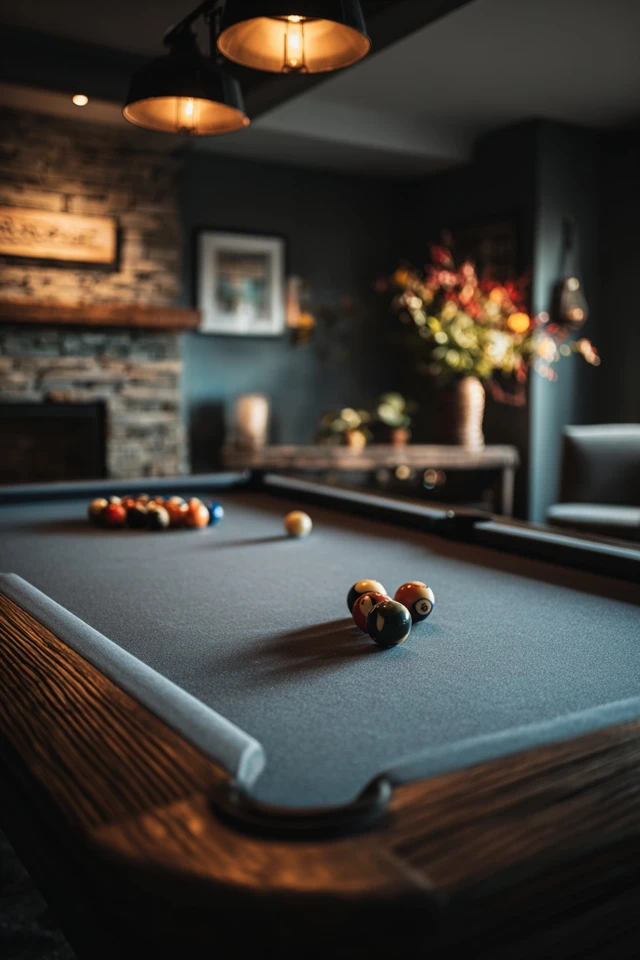
Think of it as a short checklist: seating, a screen or table, lighting, storage, soft surfaces and one or two things that make it yours. Pool tables, pinball machines and bars are fun but need real floor area. A pool table, for example, needs clear space around all sides for cues, so skip it in anything under a large room.
If you live with a dog, choose upholstery you can wipe or wash. Performance fabrics, tightly woven weaves and leather handle claws and snacks better than loose-weave or delicate fabrics. Washable throws are cheap insurance.
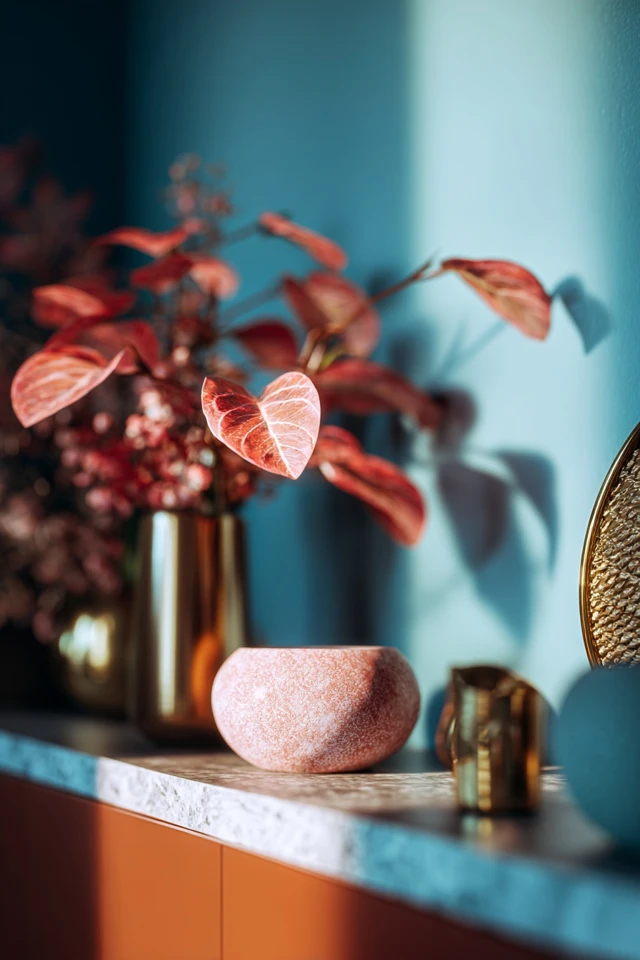
Choose seating that holds up
This is the one place I'd spend more. As an architect, I recommend a sofa with a firm seat and removable or washable covers, since this is the piece that gets used for hours. Add flexible extras: ottomans, stackable stools or poufs that move between the screen and the game table.
For a PC corner, an adjustable chair matters more than looks. Put the monitor at roughly arm's length and keep the top of the screen near eye level.
Light the room in layers
One ceiling fixture makes screens glare and board games dim. Use three layers: dimmable overhead light, a task lamp over the game table, and soft accent light behind the screen. Light behind a TV reduces the contrast between a bright screen and a dark wall, which is easier on the eyes.
Glossy surfaces bounce light and create glare on a screen, while matte paint and textured fabrics absorb it. In a room with a big TV, I'd choose matte walls and keep mirrors and shiny cabinet fronts away from the screen's reflection line.
RGB strips are fine as an accent. Keep them to one color or a slow shift, and put them on a dimmer or a plug you can switch off.
Color, materials and a modern look
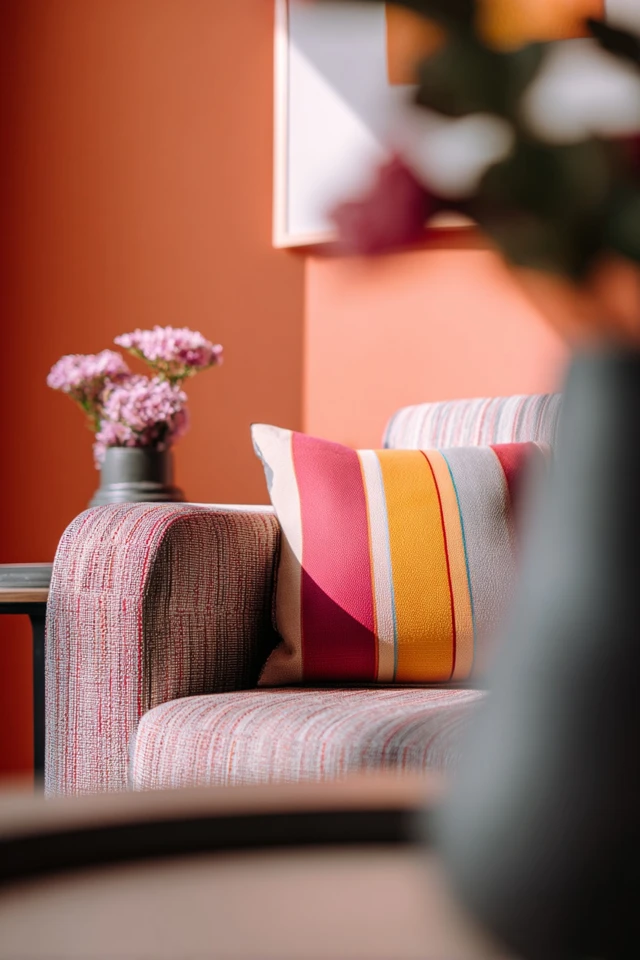
For a modern game room, choose a calm base such as warm gray, greige or deep green, then add one or two accent colors in pillows, art and a rug. Bright neon works best in small doses, like a sign or a pair of stools.
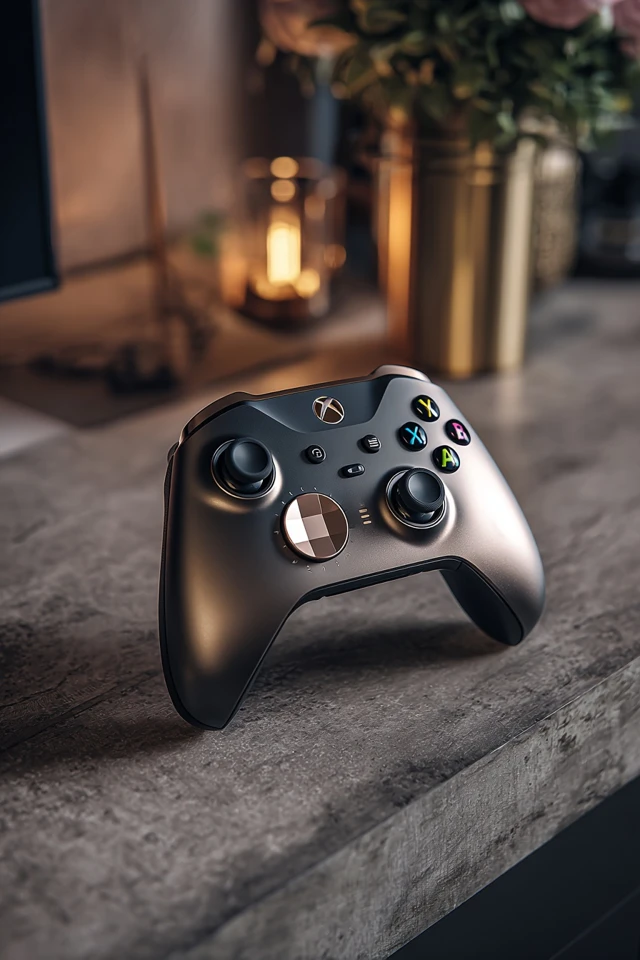
Keep the material story short: wood plus one or two metals, such as matte black and warm brass. Rough wood next to a sleek console, or a plush sofa against a concrete-look wall, gives tactile interest without clutter. Vintage arcade posters and retro consoles can read as art if you group them and leave breathing room.
Hide cables, tame noise
Visual noise is mostly cables. Use cabinets with cable pass-throughs, slatted doors in front of consoles, and baskets for controllers. Bundle cords away from where a dog or toddler can chew them.
Rooms with hard floors and bare walls echo. A wool or thick rug, curtains, upholstered pieces and a bookshelf full of objects all absorb sound. Acoustic panels help in a larger basement.
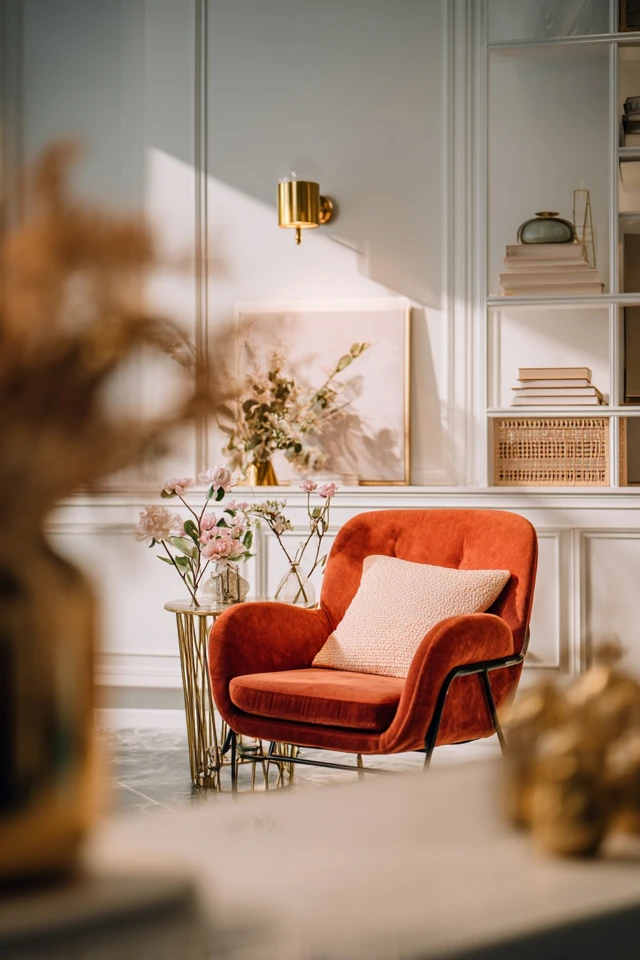
Game room ideas for small rooms
Small spaces need furniture that does two jobs. A console can double as a bar, a wall-mounted desk folds away, and a fold-down table seats four when needed. Go vertical with pegboards, floating shelves and built-in cabinets so the floor stays open.
- Choose slim-profile seating with removable cushions.
- Paint walls a light, matte neutral.
- Size the rug so at least the front legs of the seating sit on it.
For small game room ideas for adults, a loveseat, a wall-mounted screen and a drop-leaf table cover most uses.
Game room ideas on a budget
Spend on the sofa and the lighting, and save on everything else. Paint is the cheapest big change. Thrifted shelves, framed posters, secondhand stools and plug-in lamps fill out the room well, and you can swap inexpensive accents as your taste changes.
Plants add a softer note. If the room has little daylight, choose low-light plants or good faux ones. Check with your vet that any real plant is safe if pets share the room.
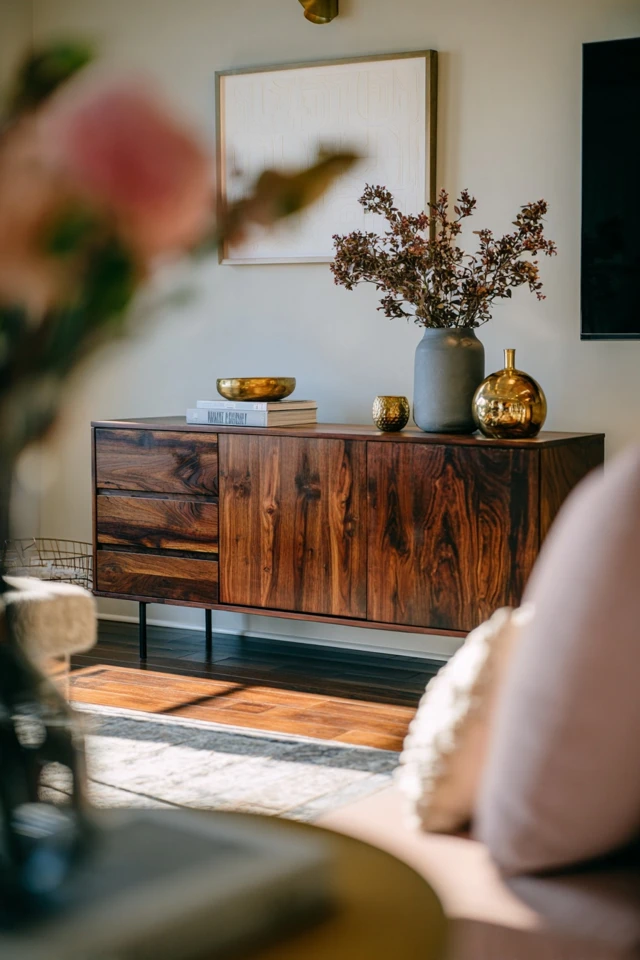
If you're planning other rooms in the house, the same principles apply to a chic bedroom, and a TV wall with a fireplace follows similar screen and lighting rules. For ceiling lighting, see recessed ceiling ideas.
Frequently asked questions
What should I put in a game room?
Comfortable seating, a screen or game table, dimmable lighting, closed storage for gear and a rug to soften sound. Add collectibles or art last.
What are some ideas for a game room on a budget?
Paint the walls, buy one good sofa, and fill the rest with secondhand shelves, stools and plug-in lamps. Hide cables in baskets or a simple cabinet.
How can I make a small game room feel larger?
Use light matte walls, slim seating and vertical storage to free floor space. A rug that sits under the front legs of the furniture unifies the layout.
What are the best lighting practices for gaming and streaming?
Layer dimmable overhead light, a task lamp for tables and soft light behind the screen. Keep glossy surfaces out of the screen's reflection.
Filed under
ArticlesMeet the author
Written by an architect.
Julio Arco is a passionate architect with years of experience in architecture, interior design, urban design, and housing. He studied at prestigious universities across North America and Europe.

- Name
- Julio Arco
- Job
- Architect and online interior designer
- Studied
- Architecture, ITESM · Urban Design and Housing, McGill
- Partner
- Thor, Australian Shepherd
- Thor’s title
- Head of quality control