Game Room Ideas: Layout, Lighting and Storage
Game room ideas for adults and small spaces: how to pick a layout, light screens without glare, store games, and choose seating that lasts.

By Julio Arco
Architect and online interior designer
In this post
- What to put in a game room
- How to design a game room
- Choose a theme without turning the room into a set
- Lighting and RGB
- Seating, desks and ergonomics
- Storage and displays that hide the clutter
- Small game room ideas for adults and tight spaces
- Budget-friendly ways to build the room
- Texture, sound and a little green
- Frequently asked questions
The best game rooms start with three decisions: where you sit, where the light falls, and where the stuff goes. Get those right and the theme, colors and gadgets are the easy part.
Below are modern game room ideas that work in a spare bedroom, a basement, or one corner of the living room, with notes for small spaces and for homes shared with pets.
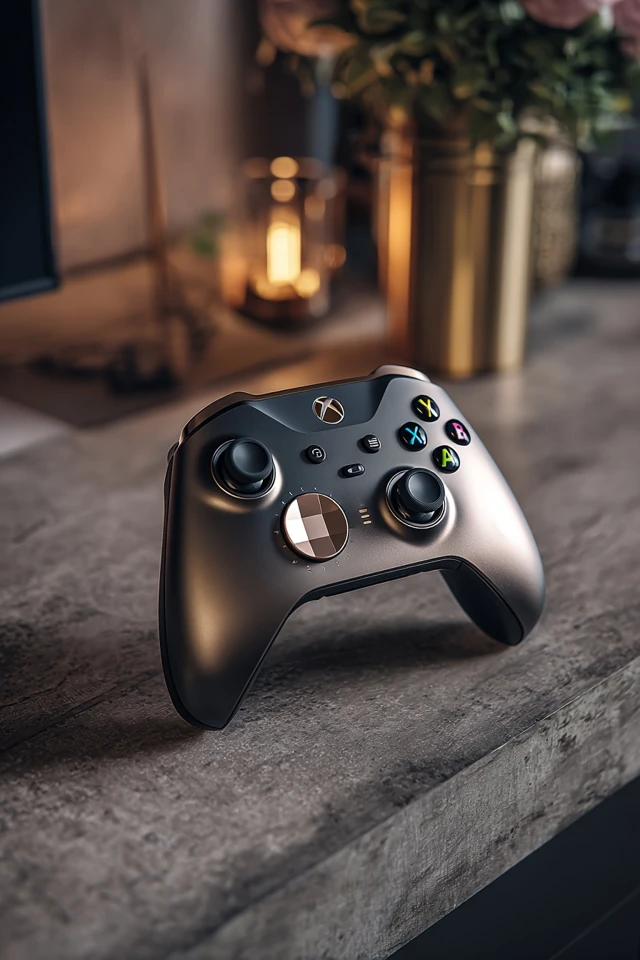
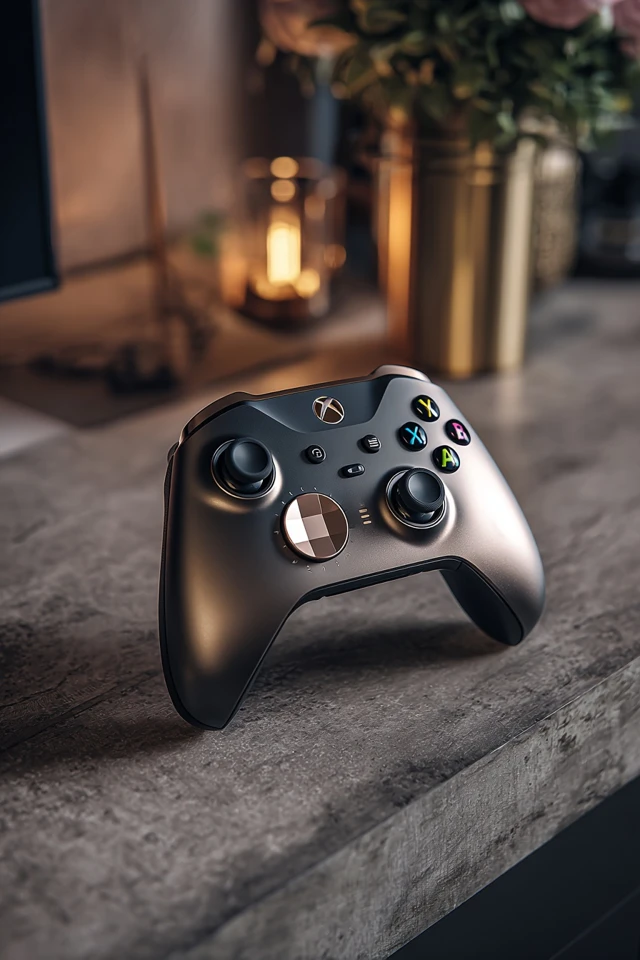
What to put in a game room
Start with the essentials, then add extras as the room proves it needs them:
- Comfortable seating for every player, plus one flexible spot (an ottoman or a floor cushion) for the guest who always shows up.
- A screen or monitor positioned away from direct window glare.
- Closed storage for controllers, consoles and cables, and open shelves for the things you like to look at.
- Layered lighting you can dim.
- Soft surfaces, such as a rug and curtains, to keep sound from bouncing around.
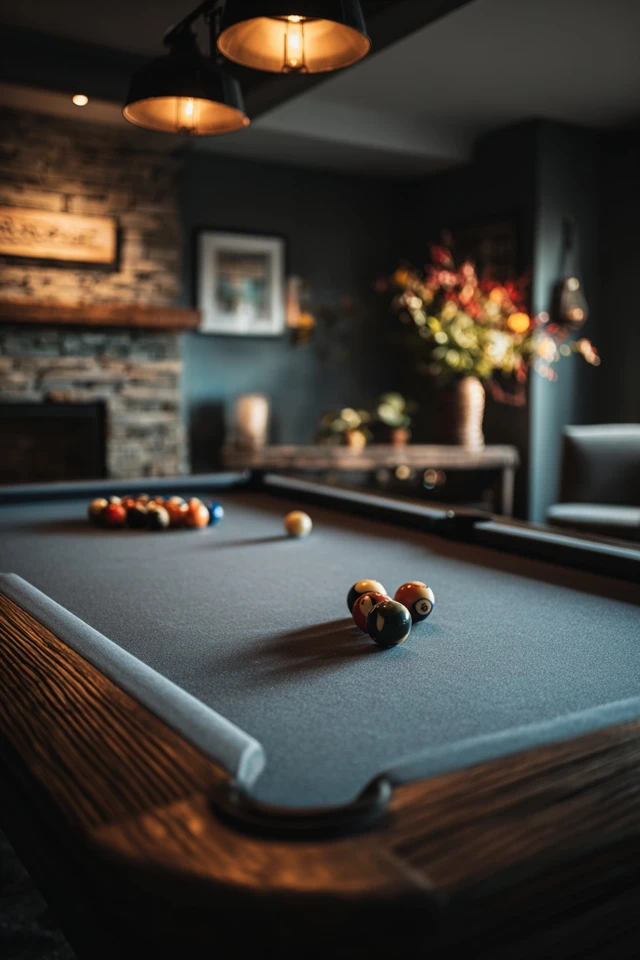
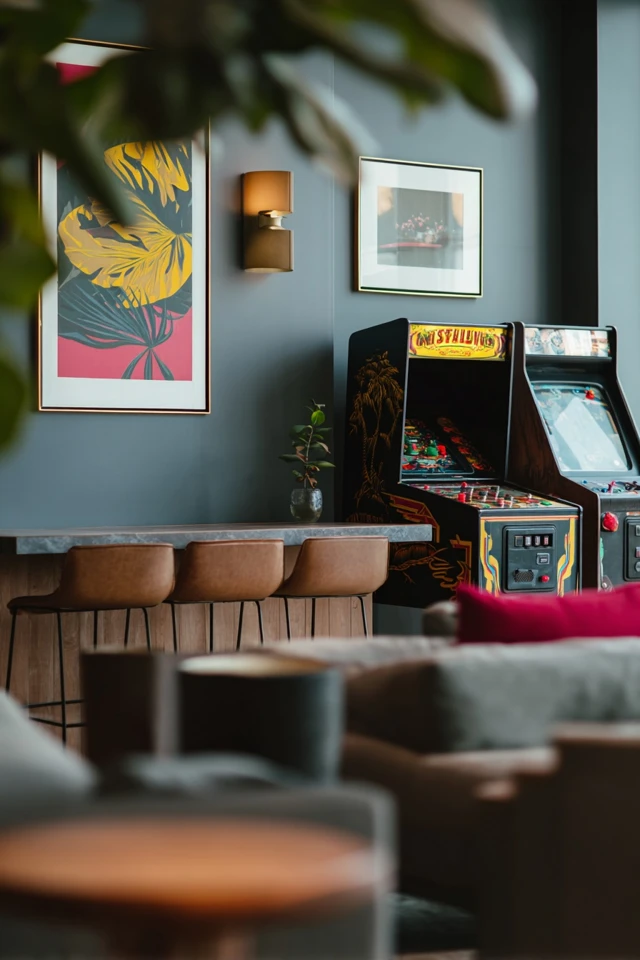
Tables, arcade cabinets, a bar cart or a pinball machine are bonuses. They need floor space, so add them only after the basics fit.
How to design a game room: start with zones
Think in zones rather than furniture. Most game rooms need three: a play zone (the screen and seating), a social zone (a sofa or a table for snacks and board games), and a storage or display zone.
Leave about 30-36 inches for the main walkway so nobody trips over a cable or a leg mid-match. In an open-plan home, a rug under the seating group and a dedicated lamp are enough to mark the zone without building walls.
Balance matters here too. If you put a dark media wall on one side, offset it with a lighter rug and open shelving so the room doesn't feel heavy on one end. Repeating one or two colors or materials across the room helps the eye move along calmly.
Choose a theme without turning the room into a set
A theme is easier to live with when it lives in things you can swap: art, cushions, lamp shades, a poster frame. Keep walls and large furniture in a quiet base and let the theme change around them.
Some directions that work well:
- Dark and moody: charcoal or deep graphite walls, matte finishes, warm accent lamps. It also cuts screen reflections.
- Warm and social: oatmeal or taupe walls, sage or olive accents, wood and brass details.
- Bright and graphic: an off-white base with cobalt or emerald accents and black metal. Keep the saturated colors to small items.
For more room-by-room styling, see our look at video game room decor that feels effortless.
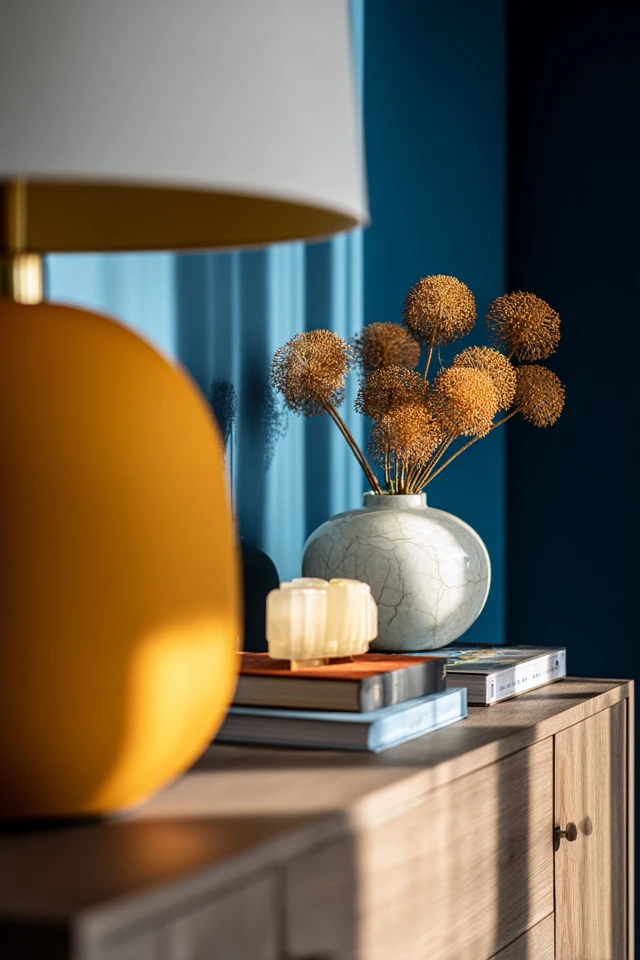
Lighting and RGB: how to avoid glare
Light is where most game rooms go wrong. A bright bulb behind or beside the screen causes reflections, and a dark room with only a glowing monitor tires the eyes.
Use three layers. Ambient light from a ceiling fixture on a dimmer, task light at the desk, and accent light (LED strips, a wall washer, a shelf light) for atmosphere. Warm white in the evening feels comfortable. Keep colored LEDs behind the screen or inside shelves, where they glow on the wall instead of shining in your eyes.
Glossy surfaces bounce light and make sharp reflections; matte paint and fabric absorb it. Choose matte for the wall facing or beside the screen, and keep shiny accents small.
Position the screen at a right angle to the window when you can. Sheer curtains soften daylight, and blackout panels are worth it if you play in the afternoon.
Seating, desks and ergonomics
You'll sit here for hours, so comfort is a design decision. For a desk setup, I recommend a chair with adjustable height and lumbar support, a desk at about elbow height when you sit, and a screen top roughly at eye level.
For console play, a deep sofa or a pair of lounge chairs with a low table works better than a desk chair. If a dog or cat shares the sofa, choose washable covers or a tightly woven fabric, and keep a throw handy for the favorite spot.
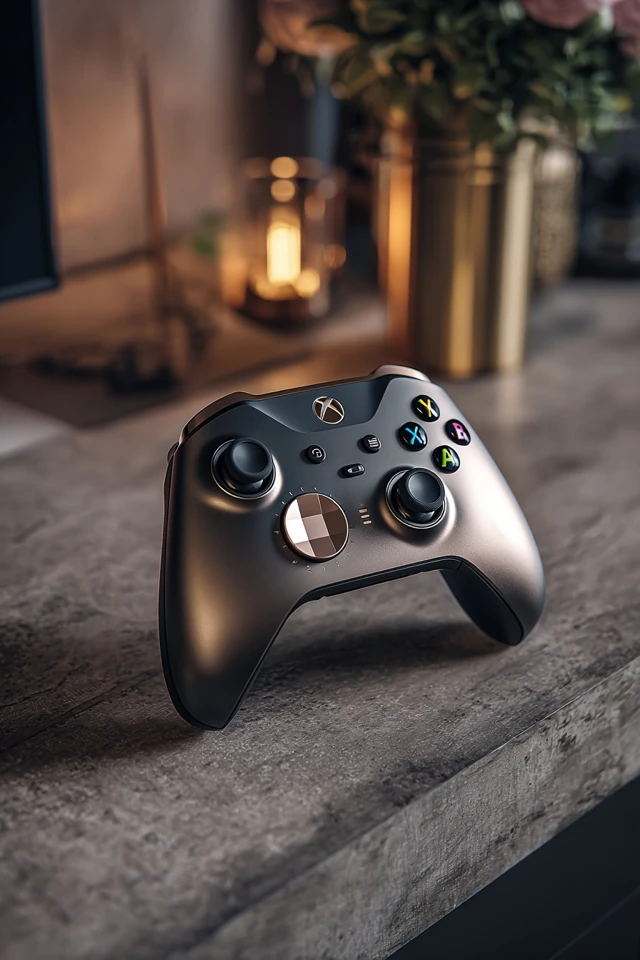
Storage and displays that hide the clutter
Alternate closed and open storage. Closed cabinets take the consoles, chargers and spare controllers. Open shelves show off collectibles, boxed games or framed art, and a few well-chosen items look better than a full wall of them.
Cable management is part of the design. Use cable sleeves, an under-desk tray or a floor raceway, and leave ventilation space around consoles so they don't overheat. If you're running power for a media wall, ask a licensed electrician to check the load.
Keep cords out of chewing range if you have a puppy or a curious cat.
Small game room ideas for adults and tight spaces
You don't need a whole room. These ideas work for game room ideas for small rooms and for adults who want something that looks like a living space first:
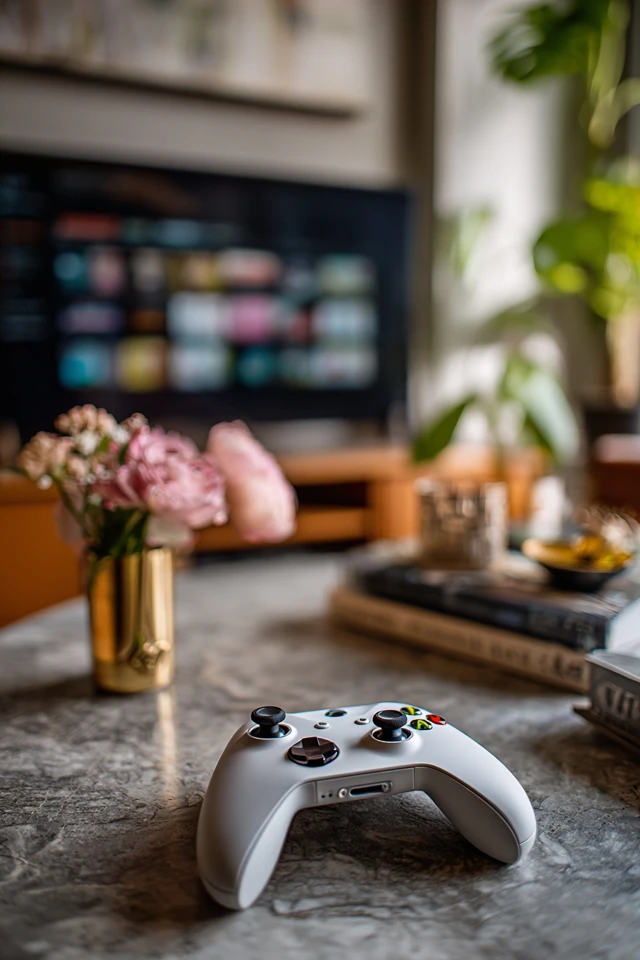
- Mount the TV on the wall and put a slim console below for controllers and headphones.
- Use a storage ottoman as seating, a coffee table and a box for game gear.
- Choose a wall-mounted or folding desk if the room doubles as a guest room or office.
- Go vertical: shelves up to the ceiling free the floor, and a light base color keeps the room from feeling heavy.
- Use a mirror carefully, away from the screen, to bounce daylight around.
If your gaming corner shares a room with a bed, our bachelor room ideas show how to separate zones with furniture and rugs.
Budget-friendly ways to build the room
Spend first on what you touch and see most: the chair or sofa, and lighting. Save on everything else.
- Paint a single wall instead of the whole room.
- Use plug-in lamps and a dimmer plug instead of rewiring.
- Buy secondhand shelving and cabinets, then paint them to match.
- Frame posters, game art or even console boxes for a display wall.
- Add an area rug and curtains for sound, which cost less than acoustic panels and help just as the room echoes.
Texture, sound and a little green
Hard walls and floors make a room echo, and voice chat gets muddy. Add a rug, upholstered seating, curtains and a fabric wall hanging or acoustic panel. Mix wood, metal and textiles so the room feels warm rather than clinical.
A plant or two softens the tech. If you share the room with pets, check any plant with your vet before bringing it home, since many common houseplants are toxic to dogs and cats.
For a different take on a cozy retreat in the same home, browse our beige living room ideas.
Frequently asked questions
What should I put in a game room?
Comfortable seating, a well-placed screen, layered lighting, closed and open storage, and soft surfaces for sound. Add tables, arcade cabinets or a bar once the basics fit.
What are some ideas for a game room on a budget?
Paint one wall, use plug-in dimmable lamps, buy secondhand shelving, and frame your own game art. Put money into the seating first.
What are the must-haves in a gaming room?
A supportive chair or sofa, glare-free lighting, cable management, storage for gear, and enough ventilation around consoles or a PC.
How can I make a small gaming room feel larger?
Use a light base color, wall-mounted storage, slim furniture and a wall-mounted screen so the floor stays clear.
Filed under
ArticlesMeet the author
Written by an architect.
Julio Arco is a passionate architect with years of experience in architecture, interior design, urban design, and housing. He studied at prestigious universities across North America and Europe.

- Name
- Julio Arco
- Job
- Architect and online interior designer
- Studied
- Architecture, ITESM · Urban Design and Housing, McGill
- Partner
- Thor, Australian Shepherd
- Thor’s title
- Head of quality control