Beautiful Modular Shelving Ideas for a Stylish Home
Modular shelving ideas for the living room, bedroom and small apartments, with tips on sizing, materials, drawers, DIY options and styling your shelves.

By Julio Arco
Architect and online interior designer
In this post
- Modular shelving ideas for the living room
- Modular shelving ideas for the bedroom
- Modular shelving for a small apartment
- Modular shelving ideas with drawers
- Which materials work best?
- How do you size a modular system?
- Build or buy, and what about the budget?
- A note on storing food on shelves
- Styling ideas that make shelves look intentional
- Frequently asked questions
Modular shelving is a set of repeatable units (cubes, open frames, cabinets, drawer boxes) that you can stack, combine and rearrange as your stuff changes. The best setup for most homes mixes open shelves for display with a few closed or drawer modules to hide the clutter.
If your room has awkward walls, a growing book collection or a landlord who frowns on drilling, modular is the practical choice. Below are ideas room by room, plus sizing, materials and styling.
Modular shelving ideas for the living room
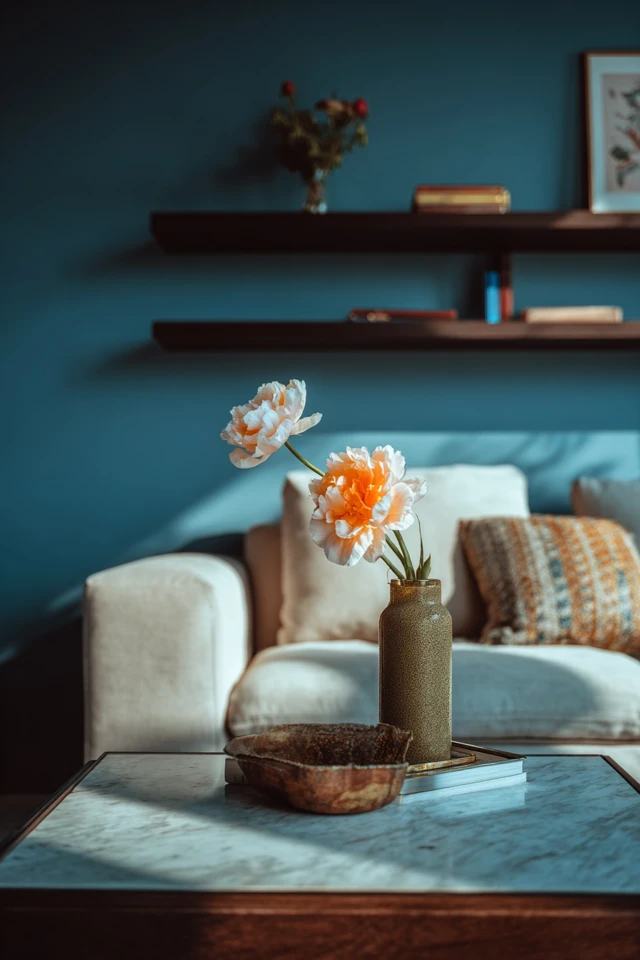
The living room usually needs to do three jobs at once: hold books, show off a few objects and hide media gear and cables. Closed modules on the bottom row and open ones above handle all three.
- Run a low, wide unit behind a sofa to act as a console and to mark off the seating area in an open plan.
- Build a continuous wall of units so it reads like built-in millwork, and leave a few larger openings for art or plants so it doesn't feel heavy.
- Use a partly open unit as a divider between living and dining areas. It keeps light and sightlines while giving each zone its own edge.
If shelving is going around a screen, our TV room ideas cover how to place it so it doesn't compete with the display.
Modular shelving ideas for the bedroom
Bedrooms favor calm, so keep the visual noise down. A low unit under a window works as a bench-height shelf and leaves the wall above clear. Behind the bed, a shallow row of cubes can replace nightstands and a headboard in one go.
Mix open cubbies with closed drawers. Folded sweaters and spare linens go behind fronts, and a lamp, a few books and a plant stay out. For more bedroom layouts, see these IKEA bedroom ideas.
Modular shelving for a small apartment
Go vertical first. Tall, narrow modules free up floor area, and units that stop a hand's width below the ceiling look lighter than ones jammed to the top. Open-backed frames or glass shelves keep views through the room, which makes it feel larger.
Choose adjustable shelves so you can change spacing when the books turn into baskets. As an architect, I'd also pick a unit that works as a room divider in a studio: one piece, two jobs, no extra furniture.
Modular shelving ideas with drawers
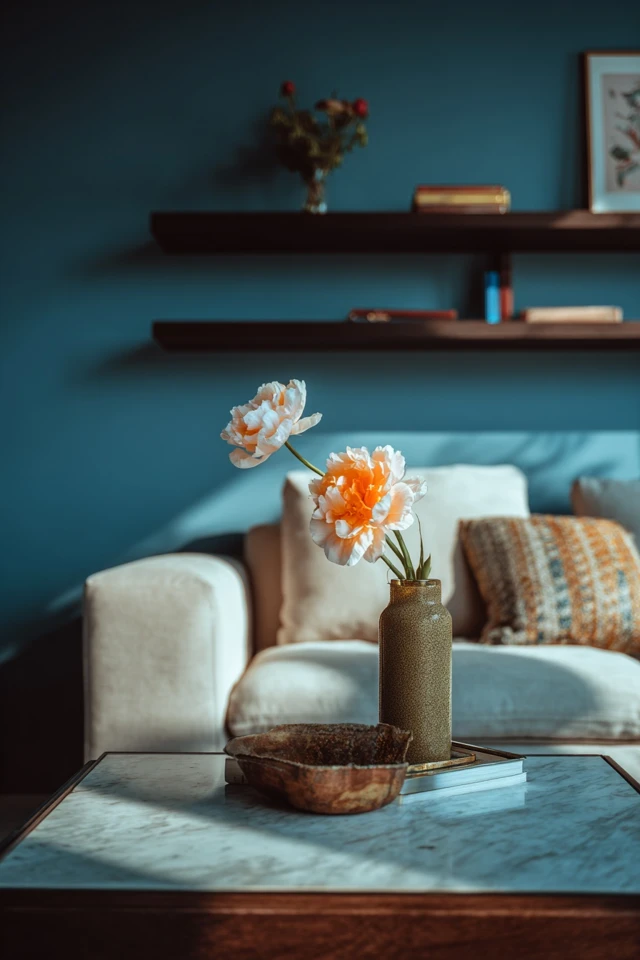
Drawers are what keep open shelving looking tidy. Put them low, where you can reach them without a stool, and keep the open shelves at eye level for the things you want to see.
- Drawer boxes at the base hold chargers, remotes, pet leashes and toys.
- Doored cabinets in the middle row hide the visual mess of mixed packaging.
- Baskets inside open cubes give you drawer-like storage with some texture, and they swap easily.
If you live with a dog or cat, closed modules at floor level also keep treats and supplies out of nosy reach. Check with your vet about what is safe to store within a pet's reach.
Which materials work best?
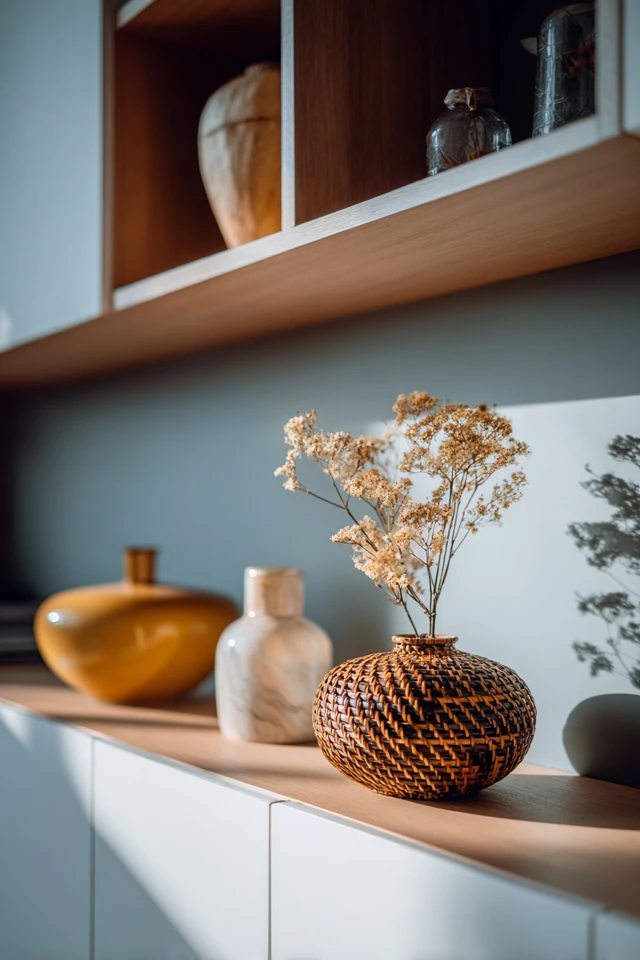
Wood feels warm and takes refinishing well. Lighter woods such as ash or oak bounce more light around a room, while walnut-toned finishes feel more formal. Powder-coated steel frames give a thin profile and strong lines, and they pair well with wood shelves. Laminates in neutral tones are the easy-care option for busy rooms.
Finishes matter as much as the material. Matte surfaces cut glare, while glossy ones reflect light and show every fingerprint. Open shelves collect dust, so put the things you rarely touch behind doors.
How do you size a modular system?
Measure the wall, the ceiling height and the doors and windows nearby, then sketch the units to scale before buying. A few established rules help:
- Standard book shelves need about 10-12 inches of depth; deeper shelves suit baskets and media gear.
- Leave about 30-36 inches clear in front of the unit if it's along a walkway.
- Anchor tall units to the wall. It's a safety step, and it matters even more in homes with kids or pets.
Many systems are sold as a kit with set module sizes, and our post on a modular shelving system kit goes through how to plan around them. For what's current, see modular shelving system trends.
Build or buy, and what about the budget?
Buying a kit is faster and the pieces fit together as designed. Building (a DIY plywood or pipe-and-board setup) gives you custom sizes and can cost less if you already own the tools, but it takes time and careful cutting. Mixing both works well: a bought frame with custom-cut shelves or painted fronts.
To keep costs down, start with a few basic cubes and add doors, drawers or a plinth later. That is the advantage of modular, since you don't have to commit to the whole wall on day one.
A note on storing food on shelves
If your shelving is going in a kitchen or pantry, location matters. Ohioline's pantry storage factsheet says canned foods stored above 70 degrees F will have a shorter shelf life, so keep food shelves away from heat sources.
Styling ideas that make shelves look intentional
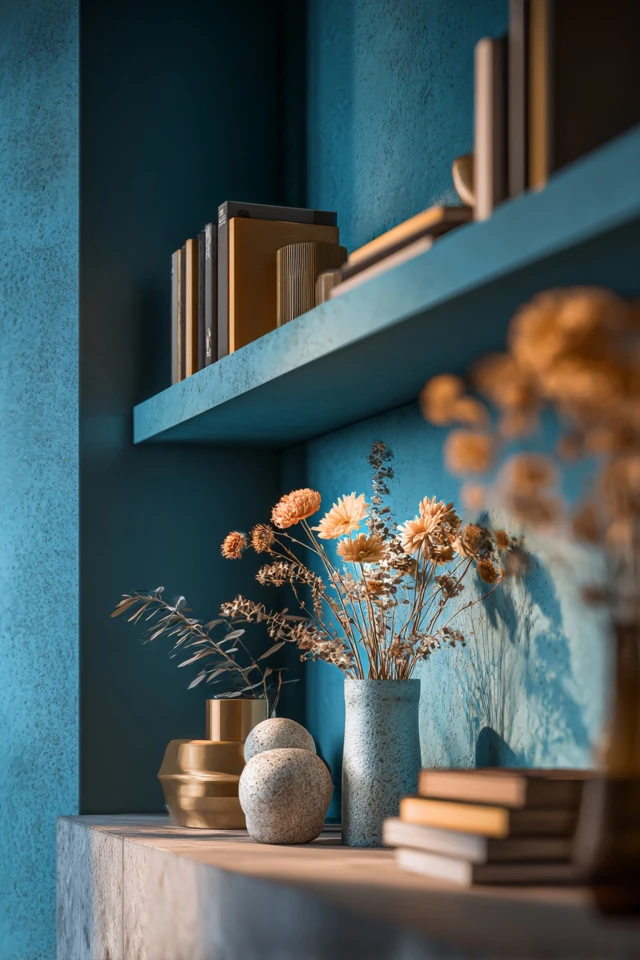
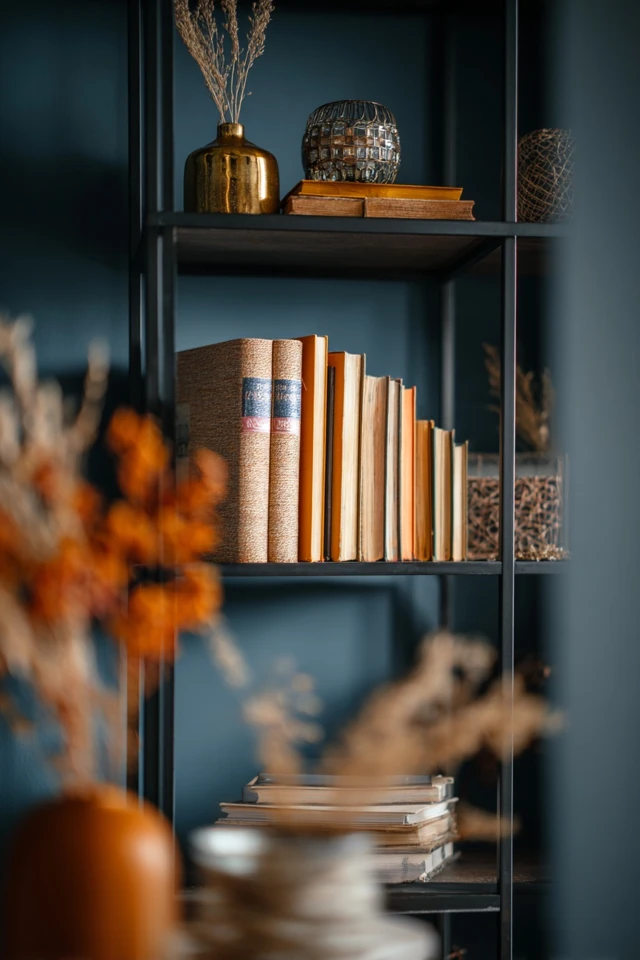
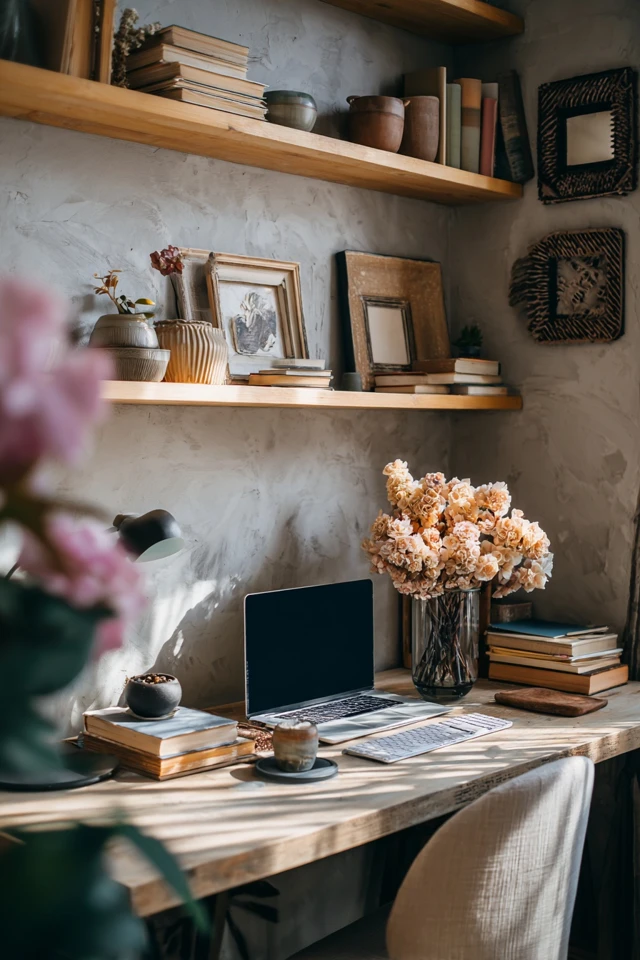
Pick a small palette and repeat it across book spines, ceramics and baskets. Place larger items at the back and layer smaller ones in front for depth.
The triangle rule is a simple one: arrange objects so their tops form a loose triangle, with the tallest item off-center and shorter ones stepping down. It works with groups of three or five, which look more natural than pairs.
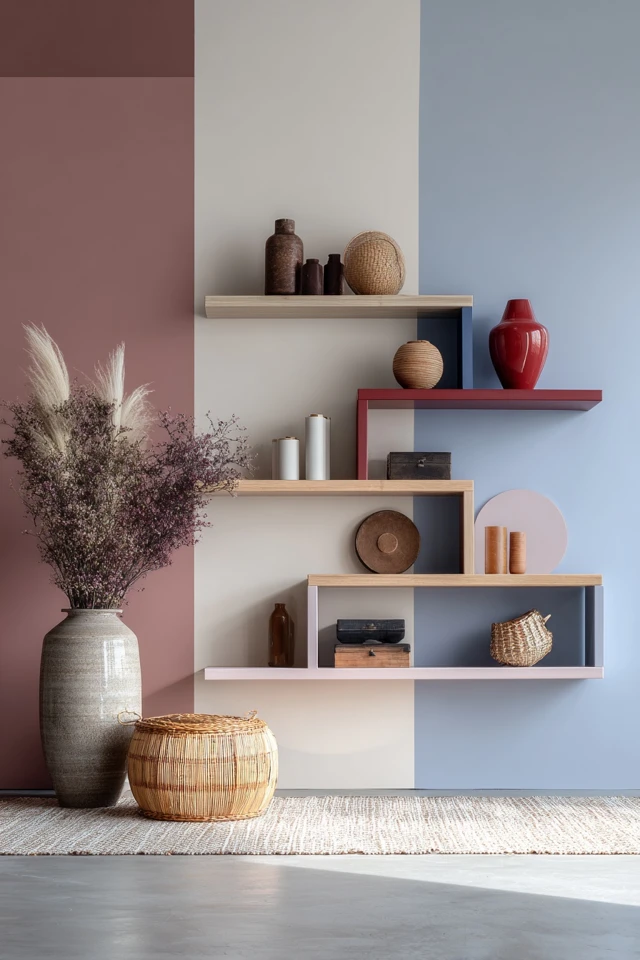
For unique shelving ideas, try an asymmetrical grid with a few empty cubes, a colored back panel in just one module, or integrated LED strips to light a favorite object. Trailing plants like pothos soften hard edges, but check the ASPCA's plant list or ask your vet before putting any within reach of a pet. Rotating a few objects each season keeps things fresh without a full restyle.
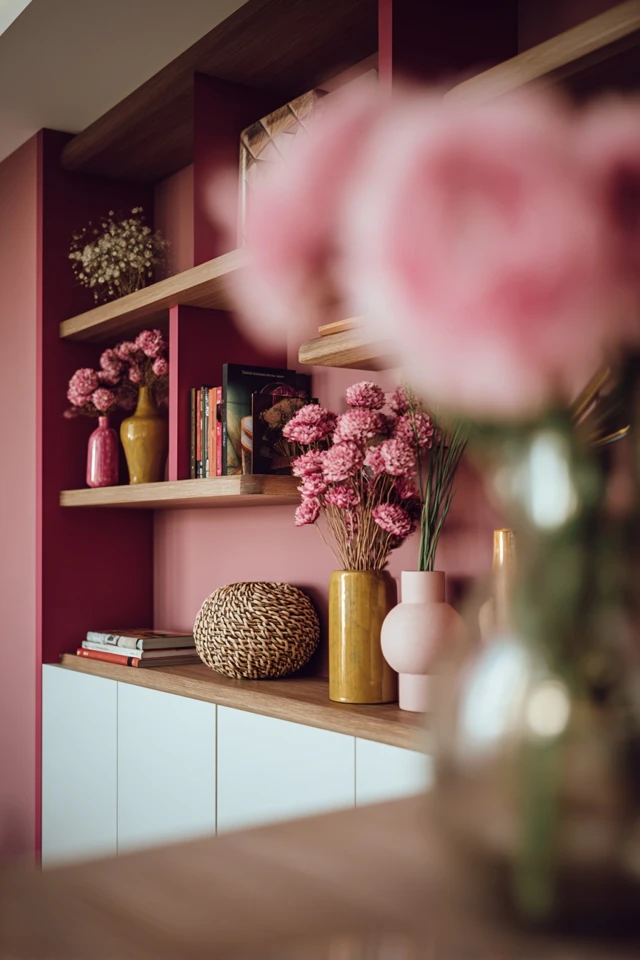
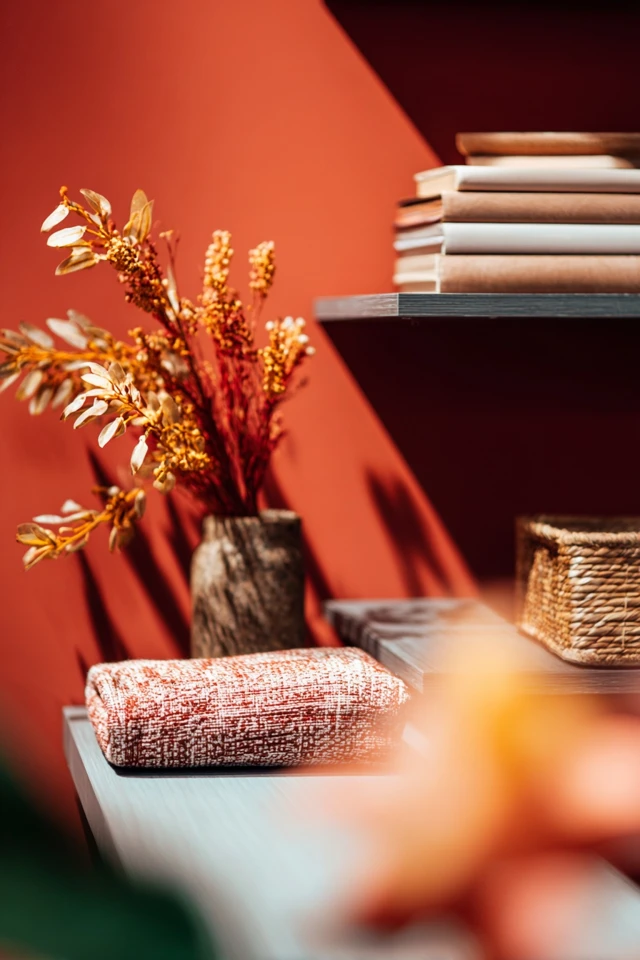
Finally, paint the back of the unit to set the mood: light neutrals open up a small room, and deep tones add drama to a media wall. Test swatches in daytime and evening light first.
Frequently asked questions
Is it cheaper to build or buy shelving?
Building can cost less if you already have tools and are happy with basic materials, but you pay in time and cutting accuracy. Buying a modular kit costs more upfront in many cases, yet it goes together faster and lets you add pieces later.
What are some affordable modular shelving options?
Start with a small set of basic cube or frame units and add doors, drawers or baskets over time. A DIY plywood version or a bought frame with homemade shelves also keeps costs down.
What is the triangle rule for decorating shelves?
Arrange objects so their tops form a loose triangle, with the tallest piece off-center and shorter ones stepping down on either side. It gives shelves a natural rhythm instead of a straight, rigid line.
Should I choose built-in or freestanding modular shelving?
Built-ins give a tailored fit and permanence. Freestanding modular units suit renters and changing needs, and you can anchor them to the wall for safety and finish them to look built-in.
Filed under
ArticlesMeet the author
Written by an architect.
Julio Arco is a passionate architect with years of experience in architecture, interior design, urban design, and housing. He studied at prestigious universities across North America and Europe.

- Name
- Julio Arco
- Job
- Architect and online interior designer
- Studied
- Architecture, ITESM · Urban Design and Housing, McGill
- Partner
- Thor, Australian Shepherd
- Thor’s title
- Head of quality control