Modular Shelving Ideas for Every Room in Your Home

By Julio Arco
Architect and online interior designer
In this post
- What makes shelving modular?
- Modular shelving ideas for the living room
- Modular shelving ideas for the bedroom
- Modular shelving for a small apartment
- Modular shelving ideas with drawers
- Wood, metal or wire
- Is it cheaper to build or buy?
- How to size and style the system
- Unique modular shelving ideas to try
- Frequently asked questions
The best modular shelving ideas start with one rule: pick a system you can rearrange, then configure it around what you actually store. Open shelves for things you like to see, drawers or boxes for the mess, and a layout sized to your wall.
If your storage needs change every year or two (they usually do), modular units let you add a tower, swap a shelf for a drawer, or move the whole thing to a new room without starting over.
What makes shelving modular?
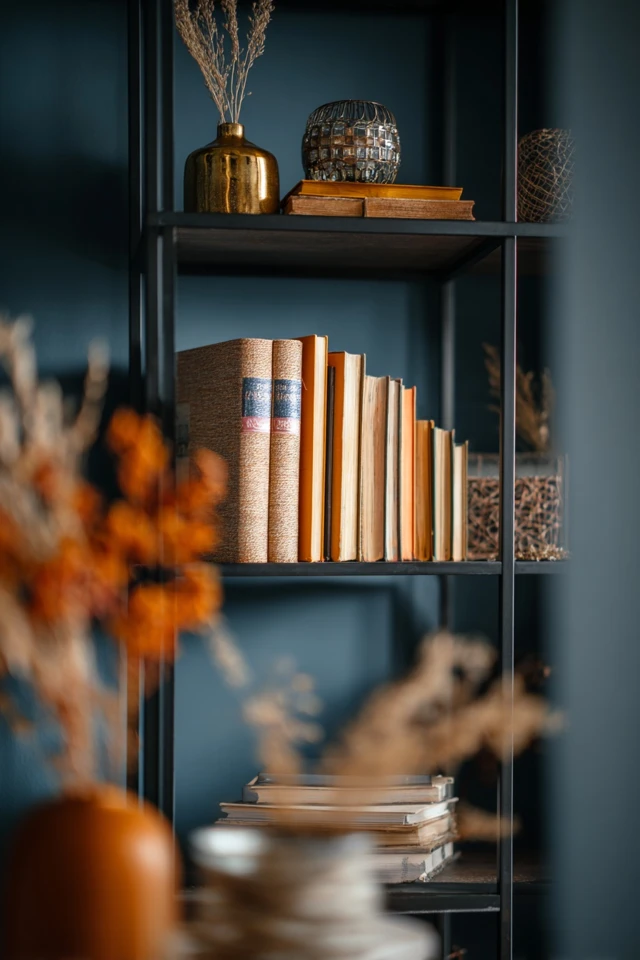
A modular system is built from standard parts: uprights, shelves, cabinets, drawers and back panels that fit together on a repeating grid. You can add, remove or reconfigure parts later. Some systems wall-mount on rails, others stand on the floor and stack.
Ask before you buy whether the maker will keep selling matching parts. A system that is discontinued in two years is not very modular.
Modular shelving ideas for the living room
In a living room, shelving usually has to handle books, a TV or speakers, and decor. A few layouts work well:
- A full wall of shelves with a gap in the middle for the TV, with closed cabinets below and open shelves above.
- Two tall towers flanking a window or sofa, joined by a shorter run of units for a built-in look.
- A low, wide unit under a window, about 30-36 inches tall, which keeps sightlines open and doubles as a display ledge.
In an open-plan home, a freestanding unit with an open back can split the living and dining areas without blocking light. Leave about 30-36 inches for any walkway beside it.
Mixing open and closed modules is the easiest way to keep a wall from looking cluttered. If you want more layout inspiration, see these modular shelving ideas for a stylish home.
Modular shelving ideas for the bedroom
Bedrooms need quieter storage. Try a low unit along the foot of the bed, a pair of narrow towers either side of the headboard wall, or a single column of shelves in a corner for books and a lamp.
Keep the busiest items behind doors or in drawers. Fewer things on display makes a bedroom feel calmer, and I recommend leaving at least a few open shelves empty so the wall can breathe. In a basement bedroom with little daylight, lighter finishes help; there are more ideas in our basement bedroom guide.
Modular shelving for a small apartment
In a small apartment, go vertical. Tall units that reach close to the ceiling add storage without taking more floor. Keep the depth shallow, about 10-12 inches, for books and decor, and use deeper modules (16-24 inches) only where you need them.
- Choose a light finish or one that matches the wall so the unit recedes.
- Use legs or a recessed base on floor units so you can see some floor underneath.
- Put heavy items low and light, decorative things high.
For more small-space thinking, see our studio apartment ideas. Anchor tall units to the wall, especially if you have pets or kids who climb.
Modular shelving ideas with drawers
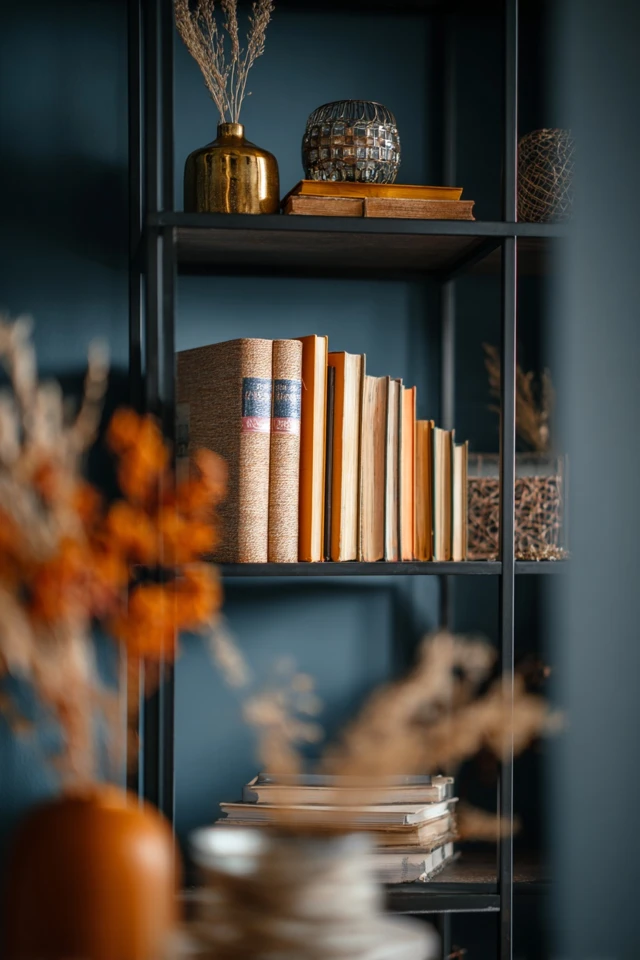
Drawers and doors are what keep open shelving livable. Cables, chargers, dog leashes, toys and paperwork all look messy on a shelf, and a drawer module hides them in one move.
Place drawers between waist and shoulder height, where you can open them without bending far. Baskets and lidded boxes are a cheaper stand-in if your system doesn't offer drawers. If you keep dog treats or supplies in a unit, check that the doors latch well enough that a determined nose can't open them.
Wood, metal or wire: which material?
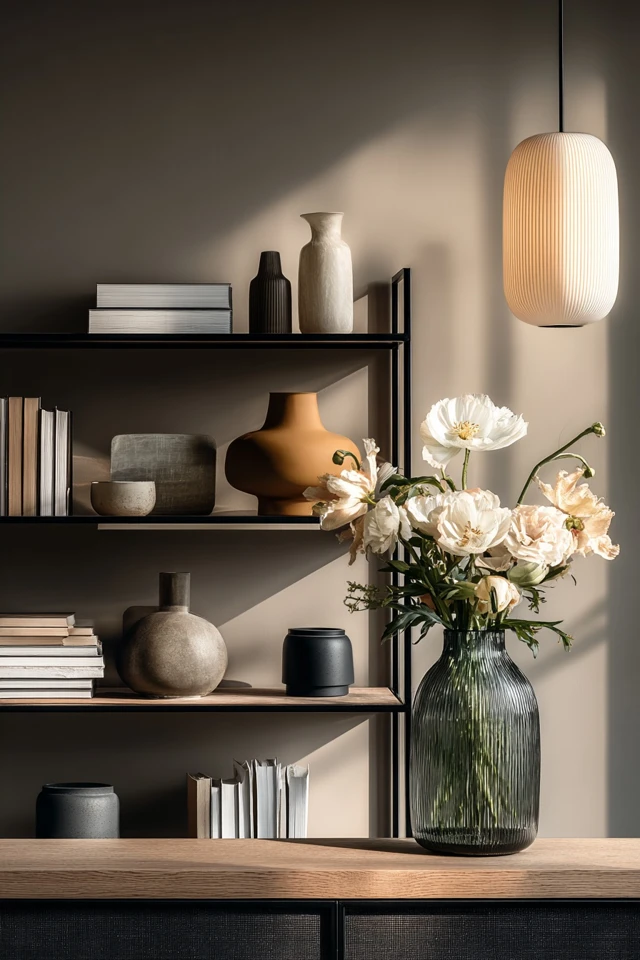
Each has trade-offs:
| Material | Good for | Watch out for |
|---|---|---|
| Solid wood or plywood | Warmth, heavy books, a built-in look | Cost and weight; scratches on soft woods |
| Metal frames | Slim profiles, strength, industrial or modern rooms | Can feel cold; check the finish for chipping |
| Wire | Garages, closets, pantries, airflow | Small items fall through; needs liners |
Matte finishes hide fingerprints and reduce glare. Glossy ones bounce light around, which can brighten a dark corner but shows every smudge.
Heat matters if the shelves are in a kitchen or pantry. Ohio State University Extension notes that cabinets above the range, near the dishwasher or beside the refrigerator exhaust are too warm for keeping food safe, though they suit dishes, pots and pans. Put food shelving elsewhere.
Is it cheaper to build or buy?
Building is usually cheaper for simple shelves if you already own the tools and can cut lumber or plywood. Buying wins when you want drawers, doors, adjustable parts or a finish that looks professional, since those are the hard bits to DIY.
Affordable modular shelving options usually fall into three types: basic cube units, steel or wire systems, and flat-pack rail systems you add to over time. A sensible middle path is to buy a basic kit and customize it with new paint, new hardware or a custom top. Our shelving kit decor ideas have a few starting points.
How to size and style the system
- Measure the wall, then sketch it to scale with the units you are considering.
- Check shelf height against your tallest books and any decor you want to display.
- Keep the heaviest items on lower shelves and make sure the shelf span suits the load; long spans of thin board sag.
- Add lighting: LED strips or puck lights make an open shelf look deliberate.
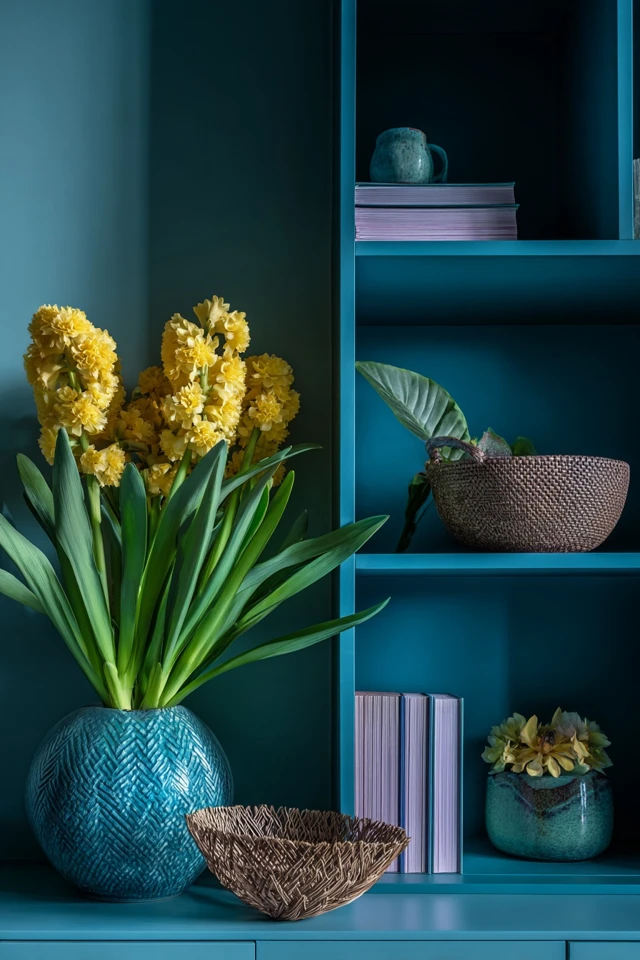
For styling, mix a few books laid flat and stacked, a plant, and one or two objects you like. A trick often called the triangle rule groups items of different heights so the eye moves in a triangle, rather than in a flat line. Leave breathing room between groupings.
Unique modular shelving ideas to try
- Stagger module depths so some boxes project forward.
- Alternate open and closed cubes in a checkerboard.
- Use a shelf as a desk by including a fold-down or deeper module, which suits a home office corner or a garage office.
- Paint the back panels a different color from the frame.
- Add a plant or two on a high shelf, away from pets that chew leaves. Check with your vet or the ASPCA before choosing species.
If you store canned goods on a shelving unit, avoid hot spots. Ohio State University Extension advises that canned foods stored above 70 degrees F will have a shorter shelf life, and none should sit above 95 degrees F, as in a shed or garage.
Frequently asked questions
Is it cheaper to build or buy shelving?
Simple shelves are usually cheaper to build if you already have tools. Buying makes more sense when you want drawers, doors or adjustable parts.
What are some affordable modular shelving options?
Cube units, wire or steel systems and flat-pack rail systems are the usual budget picks. Start small and add modules as your budget allows.
What is the triangle rule for decorating shelves?
Group items of different heights so the tallest, a medium and a low piece form a loose triangle. It keeps shelves from looking like a flat row.
How deep should modular shelves be?
About 10-12 inches suits books and decor. Go deeper, around 16-24 inches, only for storage boxes, media gear or baskets.
Filed under
ArticlesMeet the author
Written by an architect.
Julio Arco is a passionate architect with years of experience in architecture, interior design, urban design, and housing. He studied at prestigious universities across North America and Europe.

- Name
- Julio Arco
- Job
- Architect and online interior designer
- Studied
- Architecture, ITESM · Urban Design and Housing, McGill
- Partner
- Thor, Australian Shepherd
- Thor’s title
- Head of quality control