Game Room Ideas: Modern Layouts, Lighting and Storage
Game room ideas for modern homes: how to choose a theme, plan zones, light the room, pick seating and storage, and fit it all into a small space.

By Julio Arco
Architect and online interior designer
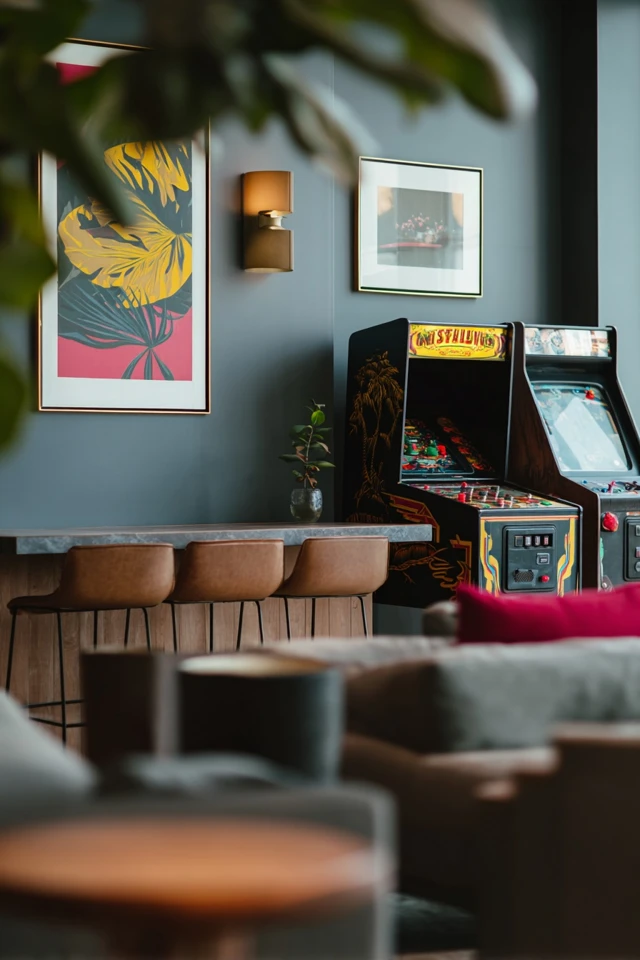
In this post
- How do you design a game room?
- What should you put in a game room?
- Choose a color palette that suits the way you play
- Lighting and RGB ambiance
- Comfortable seating and gaming chairs
- Game tables, arcade and bar ideas
- Smart storage and game displays
- Wall art, textures and acoustics
- Game room ideas for small rooms and tight budgets
- Frequently asked questions
The best game rooms start with how you play, not with a theme board. Decide whether the room is mainly for screens, for table games, or for hosting friends, then plan seating, lighting and storage around that one answer.
Below are the modern game room ideas I'd start with, in the order I'd tackle them: layout, color, lighting, seating, games and storage, sound, and how to scale it all down.
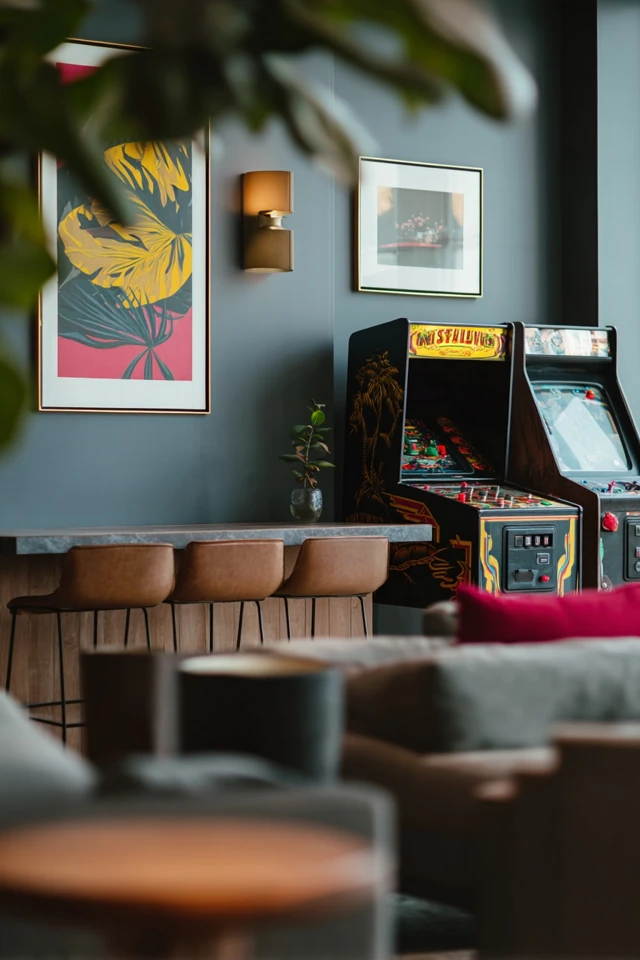
How do you design a game room?
Start with a short list of what the room must do. A multiplayer hub, a media room and a solo console corner need different furniture, and trying to be all three at once is where most rooms go wrong.
Then divide the floor into zones:
- A social zone with a sofa and coffee table.
- A screen zone with the TV or monitors, console and media storage.
- An active zone for a game table, pinball machine, darts or VR space.
Use rugs and lighting to mark each zone, and leave walkways of about 30-36 inches so people can pass behind seated players. Keep sightlines to the screen clear of floor lamps and side tables. If you have a dog, keep those paths clear for them too, and put cords and small game pieces out of reach.
What should you put in a game room?
Most rooms need comfortable seating, a main activity (screen, table or both), layered lighting, closed storage for controllers and games, and something soft underfoot to take the edge off sound. Everything else is optional.
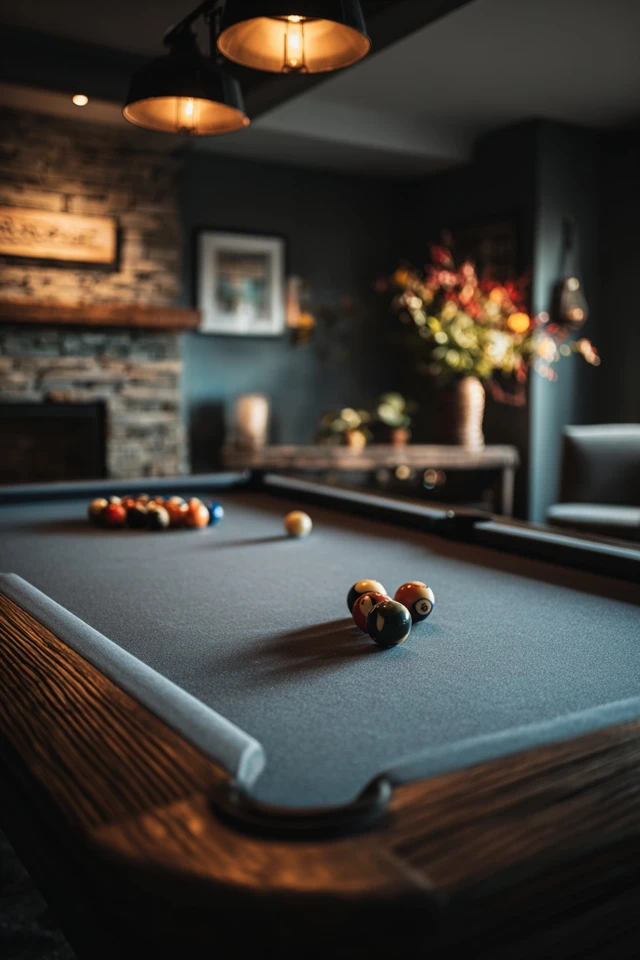
Beyond that, pick one or two anchors that match how you play: a pool or poker table, an arcade cabinet, a bar cart, a wall of shelves for board games. Fewer, better pieces look more modern than a room filled with every gadget at once.
Choose a color palette that suits the way you play
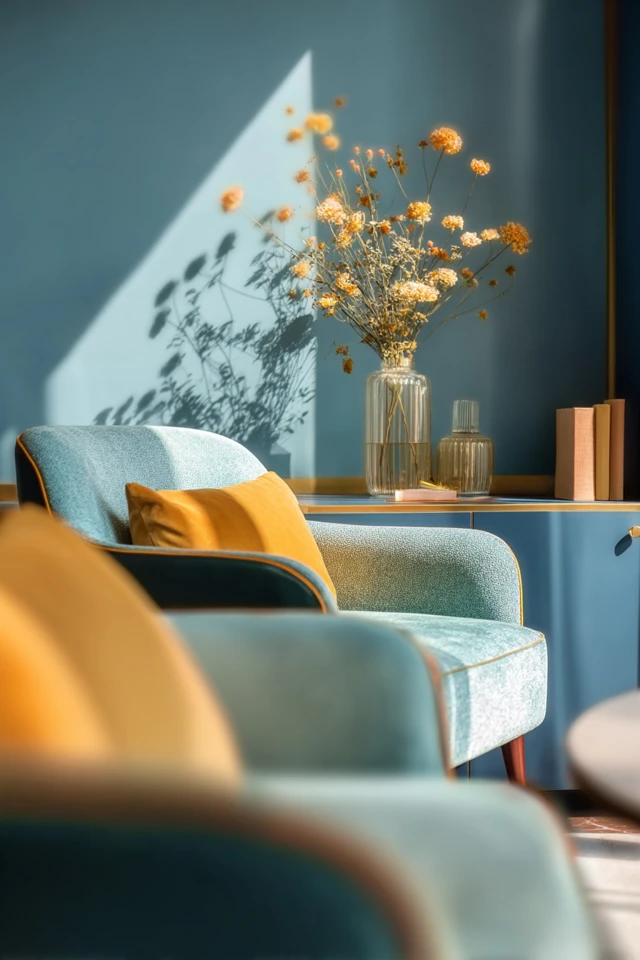
Color changes how a room feels. Darker, lower-saturation walls (slate blue, olive, warm charcoal) make a room feel snug and cut screen glare, which is why they suit media and gaming rooms. Lighter, warmer colors suit rooms where people mostly play cards and board games.
Save saturated colors for accents like a cushion, a poster or a single painted panel. Test paint samples in the evening as well as in daylight, since a game room is usually used after dark. A north-facing room often needs a warmer paint to balance its cool light.
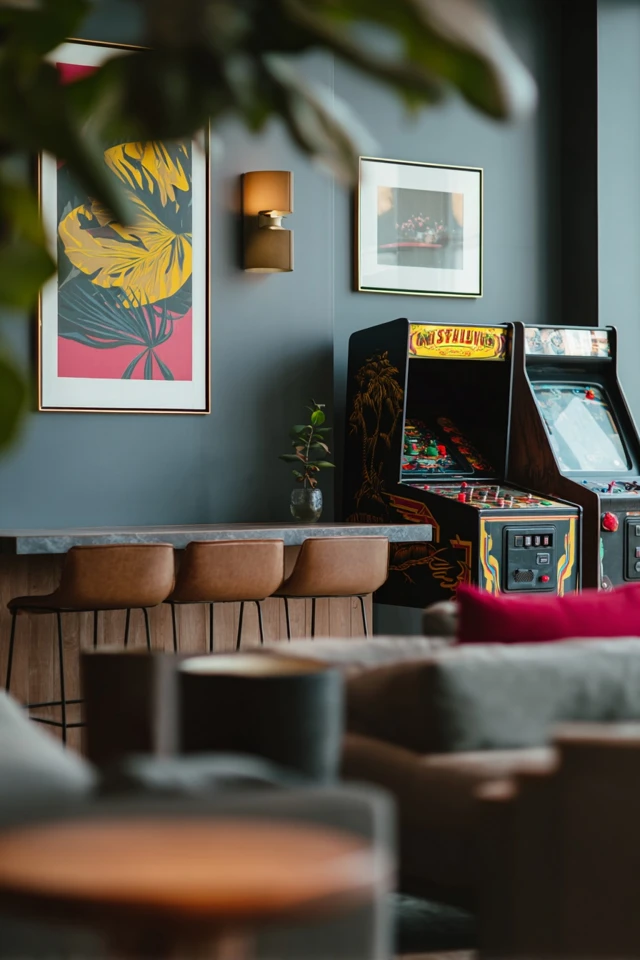
Lighting and RGB ambiance
Layer your lighting instead of relying on one overhead fixture:
- Ambient: a dimmable ceiling light.
- Task: an adjustable lamp near the game table or desk.
- Accent: LED strips or wall washers for mood.
Add a bias light behind the screen to soften the contrast between a bright display and a dark wall, which is easier on tired eyes. I recommend putting everything on dimmers or a smart controller so one room can shift from tournament mode to movie night. Keep color-changing effects to one or two spots, because a room lit in every hue at once is tiring.
Comfortable seating and gaming chairs
Choose seating for the longest session it will host. A deep sofa works for movies and co-op play, while a desk setup needs a chair with real lumbar and arm support. Look for breathable, wipeable upholstery or washable covers, especially if snacks or a dog are regular guests.
Modular seating and storage ottomans give you flexibility when the room doubles as a guest space. Match rug size to the seating group so at least the front legs of each piece sit on it.
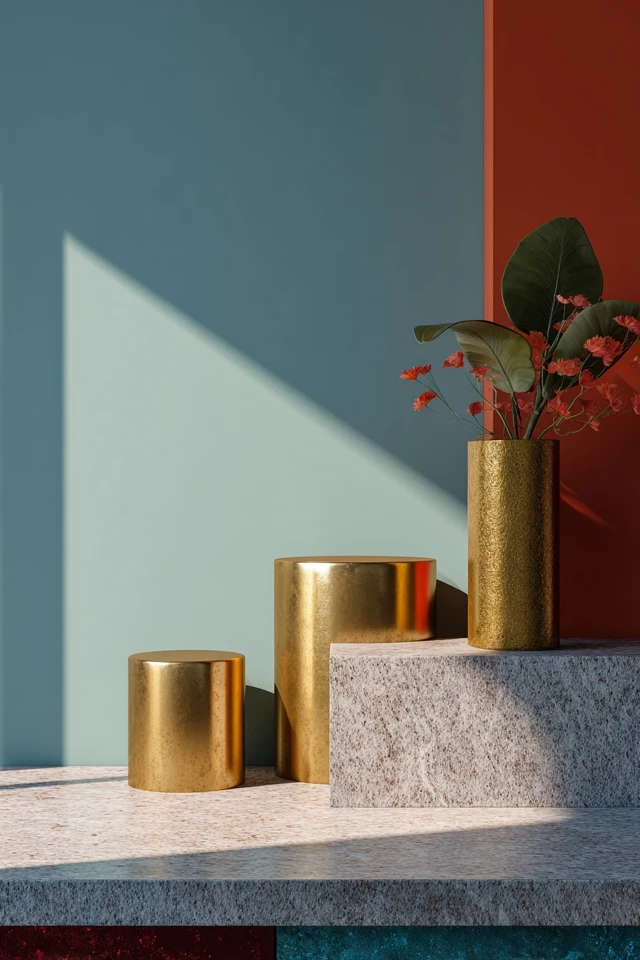
Game tables, arcade and bar ideas
A game table is the best way to pull people away from the screen. Choose one that fits the room with space to move around it, or a convertible dining-height table that doubles as a card or board game surface. Arcade cabinets and pinball machines bring personality, and pairing a vintage piece with clean modern finishes keeps it from feeling like a theme park.
If you like the idea of a bar, a slim console or a small cart is enough. It keeps drinks away from electronics and doesn't eat floor space.
Smart storage and game displays
Closed storage hides controller clutter, while open shelves show off the things worth seeing. Use both. Wall-mounted cabinets, pegboards and picture ledges keep the floor free and turn collectibles into decoration.
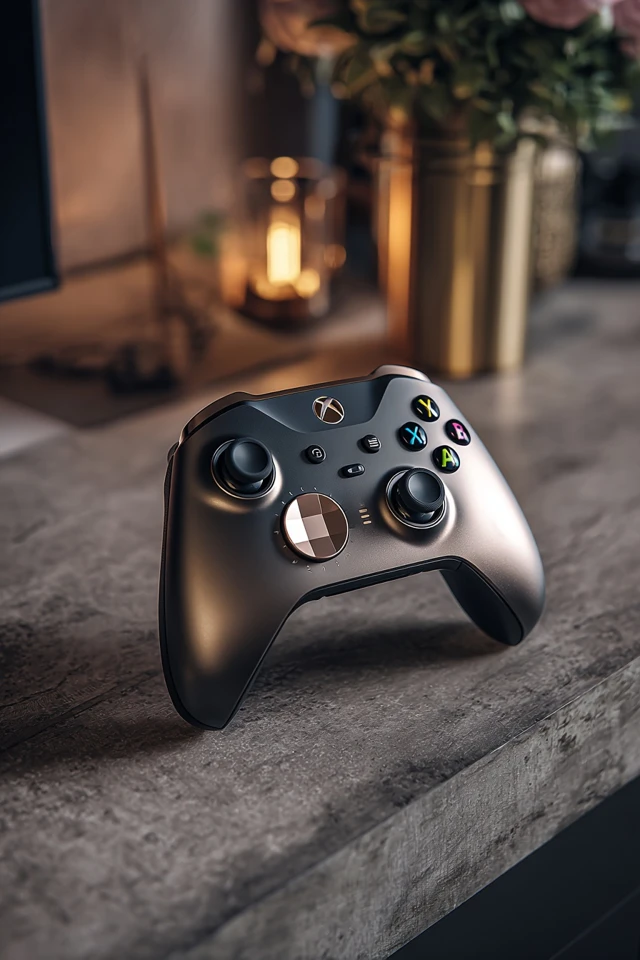
- Give controllers and headsets a single charging drawer.
- Route cables through channels and keep consoles in cabinets with ventilation.
- Limit displays to a curated few pieces, and leave empty space around them.
Wall art, textures and acoustics
Hard, reflective surfaces bounce sound, so a game room with a bare floor and big screen can echo. Rugs, upholstered panels, curtains and bookshelves soften it. Decorative acoustic panels behind the TV and above seating can double as art. Mix wood, a wool or bouclé throw, and a matte black or brass metal finish so the room feels layered instead of cold.
For more ideas on a warm, relaxed living space, see our post on bachelor pad living room ideas.
Game room ideas for small rooms and tight budgets
A small room needs fewer, lower and more flexible pieces. Slim-profile seating with open legs looks lighter, wall storage frees the floor, and a fold-down or nested table appears only when you need it. A TV room can easily double as a game room, as in our small TV room ideas.
For game room ideas on a budget, spend where you sit and see: a good seat, dimmable lighting and one decent rug. Then add paint, secondhand shelves, a thrifted table and DIY art. Skip the expensive gadgets until you know how often you'd use them.
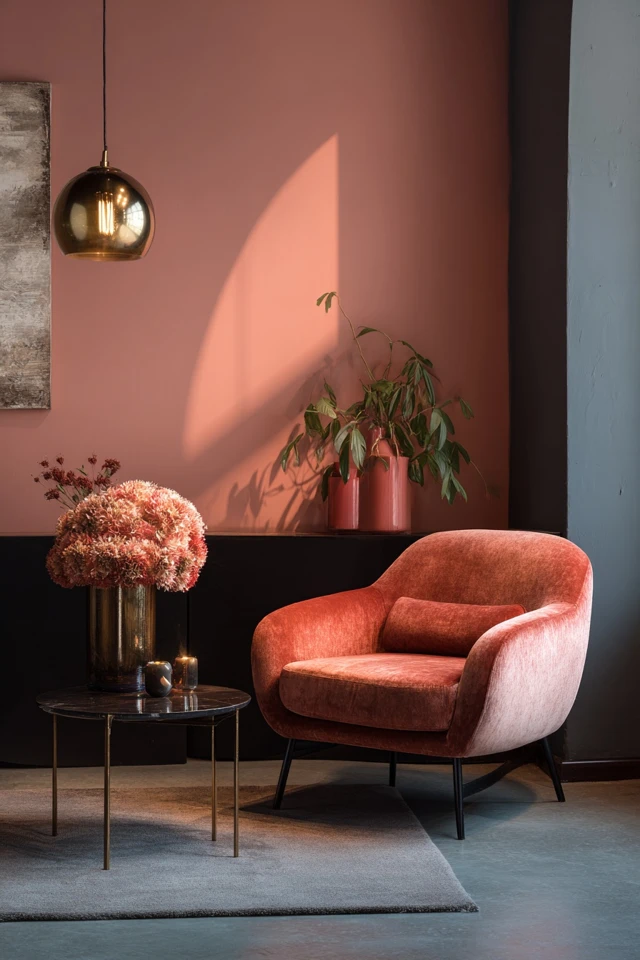
If the room is in a basement or a corner of a bigger space, a rug and a change of lighting are enough to set the game area apart. For another way to build a dedicated retreat, take a look at our ideas for a calm meditation room.
Frequently asked questions
What are the must-haves in a gaming room?
Comfortable seating, a screen or game table at the right height, dimmable lighting, and closed storage for cables and controllers. Soft surfaces such as a rug help control echo.
What are some ideas for a game room on a budget?
Spend on seating and lighting, then use paint, secondhand shelves and a thrifted table. DIY art and a single rug can define the room without much cost.
What lighting is best to reduce eye strain during gaming?
Use a bias light behind the screen, a warm lamp near the seating, and dimmable ambient light. Avoid harsh overhead light and glare on the display.
How can you hide tech without visual clutter?
Keep equipment in cabinets with ventilation, route cables through channels, and set up one charging station. Wireless peripherals cut the number of cords.
Filed under
ArticlesMeet the author
Written by an architect.
Julio Arco is a passionate architect with years of experience in architecture, interior design, urban design, and housing. He studied at prestigious universities across North America and Europe.

- Name
- Julio Arco
- Job
- Architect and online interior designer
- Studied
- Architecture, ITESM · Urban Design and Housing, McGill
- Partner
- Thor, Australian Shepherd
- Thor’s title
- Head of quality control